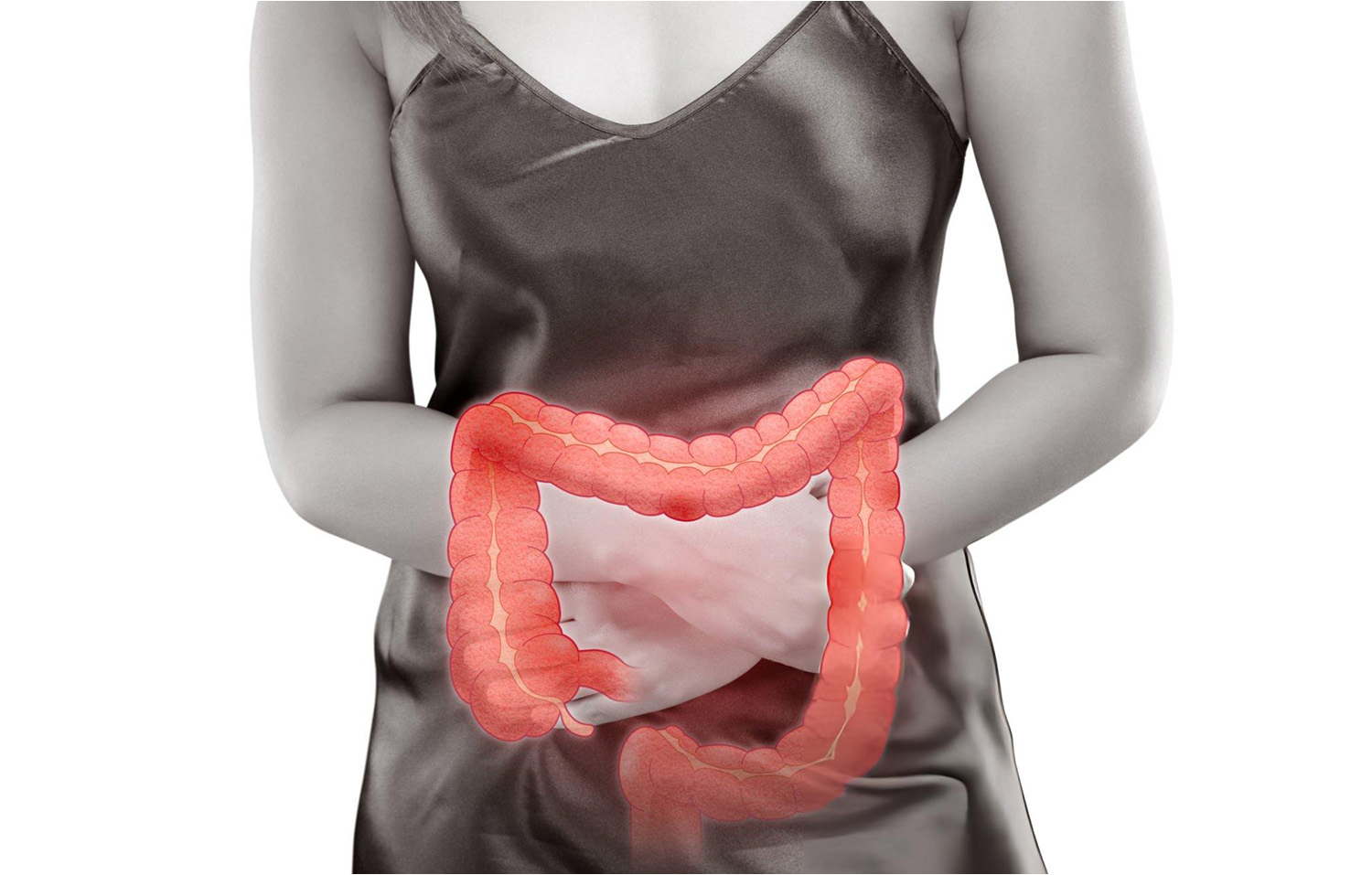
Crohn’s and Colitis: Natural Treatment Options

If you are someone who experiences one of the two most common forms of inflammatory bowel disease (IBD), Crohn’s disease and ulcerative colitis, you will know that the pain and disruption caused by these disorders can wreak havoc on your life, affecting relationships, employment and more.

Unfortunately, there is no known cure for either condition, although much exciting research is being done. The good news is that we have made a lot of progress in recent years discovering natural ways to ease and support IBD. Read on to discover some non-invasive treatment modalities that can help you take your life back.

Crohn’s and Colitis- What You Need to Know

Crohn’s and Colitis develop when the lining of your intestines become inflamed. But behind that short definition lie several debilitating consequences, including difficulty with food digestion, nutrient absorption, and waste elimination. These issues can result in problems with bowel movements including urgency (feeling like you need to find a bathroom immediately) and bloody diarrhea.

The two disorders share many symptoms, including:

  • Diarrhea (sometimes alternating with constipation)
  • Bloody stools
  • Belly pain and discomfort
  • Rectal bleeding
  • Weight loss
  • Reduced appetite
  • Nausea
  • Increased gas
  • Fatigue
  • Anemia
  • Joint pain

The Differences Between Crohn’s And Colitis

Although they share many symptoms, it’s important to note that they’re not exactly the same. The main differences between Crohn’s and Colitis are:

  • With ulcerative colitis, only the large intestine is affected. Crohn’s disease can occur anywhere in the digestive system.
  • In Crohn’s disease, healthy tissue can be intermixed with inflamed tissue. In contrast, ulcerative colitis affects an entire area.
  • The inflammation of colitis affects only the inner lining of the intestines, whereas it can affect deeper layers with Crohn’s disease.

In real-life terms, bloody diarrhea and rectal bleeding are more common with colitis. And the pain of Crohn’s is often a sharper, more intense pain than the cramping that typically characterizes colitis.

Bear in mind that these are just generalized differences and a medical practitioner is the best person to diagnose any form of inflammatory bowel disease.

What Causes Crohn’s and Colitis?

Why do some people get Crohn’s and Colitis? Scientists don’t have precise reasons and most cases are considered idiopathic (of no known origin). They are generally considered to be autoimmune in nature, and a number of factors can come into play, including genetics and environmental triggers.

The Effects Of Stress & Diet

Many people do notice that IBD tends to flare up during times of stress (and, of course, this creates even more stress). And certain foods are often triggers as well. Although stress and diet don’t cause either condition, they can often exacerbate the symptoms. So managing Crohn’s and Colitis often requires careful dietary monitoring and lifestyle changes.

How Are Crohn’s and Colitis Treated?

Treatment often focuses on two main goals: reducing inflammation and managing symptoms. A number of medications, including steroids, can work to reduce inflammation, and, particularly with Crohn’s, surgery is sometimes necessary to remove tissue that has been too deeply damaged.  Many people suffering from IBD find that they can ease their symptoms enough to return to a more normal life by making a few changes to their diet and lifestyle.

Natural Ways To Ease Crohn’s and Colitis Symptoms

Improving your overall health is an important first step in managing IBD symptoms. Your treatment plan should target your lifestyle holistically, from all angles, with the joint goals of reducing inflammation and minimizing the number of flare-ups you experience. Some proven strategies include:

1.   Reduce stress

Your nervous system is intricately connected to with your digestive system. Stress, particularly the kind of chronic stress that never seems to let up, can lead to an imbalance of bacteria in your gut. (Also known as dysbiosis.)

In order to relieve the physical effects of stress on your body, a variety of mindfulness activities such as yoga, meditation or tai chi can be very helpful.

2.   Exercise

Working out while you’re experiencing symptoms of IBD can be difficult. However, research has shown that exercising can help to reduce the severity of gastrointestinal disorders. With IBD it’s especially important to listen to your body and focus on exercise such as yoga which is lower in intensity, as working out too intensely can actually create a stress response and exacerbate symptoms.

3.   Work On An Elimination Diet

Food sensitivity testing is crucial for IBD. By eliminating foods that trigger inflammation in your GI tract you will significantly reduce the pain, inflammation and discomfort associated with IBD.  We have seen many IBD patients be able to stop their medications and live a healthy discomfort free life just by changing thier diet. It’s possible!

What Foods Trigger IBD?

Although everyone is different, some common triggers include:

  • Gluten/Wheat
  • Alcohol
  • Caffeine
  • Fried foods
  • Fatty foods
  • Many dairy products
  • Chocolate
  • Artificial sweeteners
  • Large meals
  • Carbonated drinks
  • Foods with a lot of fructose, such as apples and many dried fruits

4. Use probiotics

Restoring the bacterial balance in your gut with probiotic supplements can ease symptoms. However, you’ll get the best results if you work with a healthcare practitioner to ensure you’re taking the best type of probiotic. Not all probiotics are the same, so you want to make sure you select the best one for your condition.

5. Consider Herbal And Nutritional Supplements

Talk to your healthcare provider about supplementation, as a number of natural supplements have shown promising results in treating Crohn’s and Colitis, including:

  • Boswellia (also known as frankincense)
  • Glucosamine
  • Turmeric (Curcumin)
  • Berberine

6. Stay Abreast Of New Treatment Options

Although much work still remains to be done, it’s a good idea to talk to your healthcare provider about recent medical research. IBD is an area where promising discoveries and potential new treatments are emerging often. For example, trials have been conducted on the effectiveness of fecal transplants, in which healthy stool is “transplanted” into an inflamed large intestine in hopes of restoring the balance of healthy bacteria. Other exciting findings involve stem cell research.

If you have been diagnosed with or are experiencing the symptoms of Crohn’s or Colitis, you should know that there is reason for hope. Many natural supportive treatments prove quite effective, and new developments are on the horizon. Come into the office and we can work together to improve your digestive health!

Resources

https://www.niddk.nih.gov/health-information/digestive-diseases/crohns-disease/symptoms-causes
https://www.ncbi.nlm.nih.gov/pmc/articles/PMC4202343
https://nccih.nih.gov/research/results/spotlight/031912
https://www.ncbi.nlm.nih.gov/pubmed/27646279
https://www.ncbi.nlm.nih.gov/pmc/articles/PMC4294172
https://www.ncbi.nlm.nih.gov/pubmed/11215357
https://www.ncbi.nlm.nih.gov/pubmed/10465666

How to Conquer Stress and Put the Joy Back in the Holidays

December brings festive parties, fun times with family, favourite traditions… and stress. How much stress? According to a Healthline survey, the combination of joy and pressure that makes up the month of December means that more than 60% of us find the holiday season somewhat to very stressful.

Considering the many factors that make up holiday stress: the tricky family politics, the joys of winter weather, busy schedules getting in the way of regular exercise, the endless appetizers, and of course the extra cash outflow that’s synonymous with the season, the real question is how do we NOT end up feeling this way.

One study found that North Americans spend about $1,000 extra in the month of December. That can definitely impact your budget! And for many people, that financial hit just adds insult to injury. It’s not surprising many of us end December feeling as though we need a holiday from our holiday.

How Stress affects Your Digestion

Have you ever noticed that the gut-brain connection kicks into overdrive in December? It makes sense. There’s extra stress, and of course there’s also extra food. And to further complicate matters, it’s often the kind of food that can wreak havoc with your gut.

Fight or Flight

Every part of your digestive system can be affected. When cortisone kicks in, your esophagus can go into spasm, reduced digestive activity can mean that food sits in your stomach like a brick, and blood flow can slow down in the gut as your body prioritizes the blood supply to the muscles – also known as “fight or flight” mode. This shift can lead to an imbalance of bacteria in your gut that results in cramping, diarrhea, constipation, and a variety of other digestive issues. The whole process isn’t exactly festive.

Calming the Digestive System

How can you combat the Great December Bellyache? Taking a few minutes to meditate or breathe deeply before a meal can trigger your body’s “relaxation response”, switching on your parasympathetic nervous system which controls digestion. This brings the blood flow back to the stomach and intestines, allowing digestion to take place as it should. As an added bonus, this practice may also lead to more mindful eating at a time of year when eating more consciously can be very beneficial. One study even found a correlation between meditation and increased vegetable and lower meat consumption (without any prompting of participants to choose certain foods).

It’s a good idea to increase your consumption of fermented foods like kefir, yoghurt, and kimchi, or even take a probiotic supplement during times of stress to help maintain healthy gut bacteria.

Stress Can Give You Back Pain

Anxiety, stress, and back pain often come together in a distressing trifecta. To make matters worse, they often intensify each other. How does that work? When you’re stressed, your muscles tense up. That creates more stress, and more tension. In fact, chronic stress – and chronic pain – can eventually rewire the way your brain works.

Tense Muscles Affect Your Breathing

To further complicate this dynamic, many people find that tense, rigid torso muscles restrict breathing. Again this creates a vicious cycle, since shallow breathing can exacerbate pain. So when you’re in pain, you can’t breathe as well, and when you can’t breathe as well, you feel more pain.

It’s no wonder many complain of back pain at this time of the year – especially when you factor in physical stressors like shovelling snow or decorating the house.

The Role of Posture

Paying more attention to your posture is a good first step to getting a handle on back pain. It may sound simple, but working with a healthcare practitioner on your everyday movement patterns at work and at home can bring your body back into alignment, reducing tension, relaxing your muscles and improving your breathing – all of which have a positive effect on breaking the cycle of pain.

Treat Yourself

Also, consider indulging yourself with some pain-relief treats! (After all, self-care does not need to take a break during the busy season.) Invest in a restorative yoga class or a therapeutic massage. Not only will you relieve some of the emotional pressure that comes with the season, manual therapies can help break the cycle of stress and back pain.

How Stress Affects Sleep

Do visions of sugarplums dance in your head in December? Or would nightmares about bill payments be a more accurate description?

In addition to financial stress, many other factors can impact your sleep in December. We’re often eating and drinking more, as well as staying out later.

Sleep Hygiene

However, it’s still important to maintain a solid sleep hygiene routine during these busy times. Try to stick to your regular schedule as much as possible (yes, even on weekends).  Create a sleep-inducing bedtime routine. That means putting your phone and other devices away a couple of hours before bedtime, and keeping them out of your bedroom while you sleep. (Many people say that they need their phone alarm to wake them up, but an old-fashioned alarm clock can also do the job.)

Making sure your room is cool, dark, and quiet is another essential element of a good night’s sleep. Fortunately, many products are available that can optimize your environment, including blackout shades, white noise machines, humidifiers, and fans.

Supplements for When Sleep Eludes You

Effective supplements are available to help you through a rough patch and get you back on track with your sleep.

Melatonin

Many people have good experiences with melatonin, for example. An important point about melatonin is that it is made naturally in your body to bring on sleep, so it has few side effects. It can, however, interact with some medications so always talk to your doctor before taking melatonin, especially if you already take a prescription antidepressant or sleep aid.

Valerian

Valerian contains a number of compounds that may help promote calmness, improve stress response and maintaining adequate levels of mood-stabilizing brain chemicals. It’s been coined nature’s valium and has been known to work well for sleep issues (mainly insomnia).  Please note that it can take up to 10 days for valerian to reach it’s maximum effect.

Magnesium

Magnesium is a mineral that helps the muscles to physically relax and let go, taking a magnesium supplement or an Epsom Salt bath is a safe and effective part of a relaxing bedtime routine.

‘Tis the Season for Self-Care and Connections

Of course, the best way to treat stress is to tackle it at the source. And at this time of the year, we’re all too often the source of our own stress. Maybe we got so caught up in finding the “perfect” presents and hosting the “perfect” party that we forgot the real purpose of the holidays – connection. The plain truth is that a memorable holiday does not have to cost a lot of money or stress if we stay mindful of what the holiday is really about.

The Best Present of All

In fact, at least one study has found that the best gifts are experiences, not things. And often, the key component of a memorable experience is the company you’re with. So instead of pushing yourself to buy more or do more, consider putting some time aside to just hang out with your friends and family, or attend community events. In the end, human connection is what we all want for the holidays.

Looking for a little extra help to stay healthy in December and tackle 2020 on the right foot? Come into the office and we can review your self-care routine together and set you up for a great energetic and healthy 2020!!

Resources

https://www.ncbi.nlm.nih.gov/pmc/articles/PMC5556586
https://www.todaysdietitian.com/newarchives/030413p42.shtml
https://www.ncbi.nlm.nih.gov/pubmed/23983029

https://www.ncbi.nlm.nih.gov/pubmed/23983029https://www.healthline.com/health-news/what-stresses-us-most-at-the-holidays-113015#1

7 Ways To Avoid Packing On Extra Pounds This Holiday Season

Do you have big plans for January? Many of our patients say they’d like to take control of their health in 2020. That often includes losing some extra pounds.

However, it’s always important not to get caught up in the numbers on the scale. Instead, a good alternative goal is to focus on lowering your body fat (but only if that would help your general health) and raising your energy levels. In other words, your goal should always be to improve your overall quality of life, not to chase after an often-elusive number on a scale.

No matter why you want to lose weight, it’s important to approach your New Year’s resolution with a strategy that will raise your odds of success. (Here’s a sobering fact: About 80 percent of New Year’s resolutions are abandoned by February.)

The Run-Up to the New Year

Think about it. We often coast through December, eating, drinking, and neglecting our usual fitness routine. Then January arrives and we expect our body to adjust to an austere new regime. It’s no wonder that many people give up.

Believe it or not, it’s possible to prime your body to get ready for January’s resolutions while still enjoying the holidays. That includes revving up your metabolism so it’s ready to deal with dietary changes. And it’s even possible to do this during the busy month of December. Here are some steps that can help.

7 Ways to Avoid Packing On Extra Pounds This Holiday Season

1. Watch What You Eat

This is not just about how much you eat. The macro and micronutrient choices you make when selecting your food can change how efficiently your body metabolizes fat. In particular, include a source of protein with every meal. One reason for this is that it helps your body maintain muscle tone. (You can lose muscle when you lose weight, which slows your metabolism.)

2. Don’t Cut Back On Sleep

Since we’re not technically moving during our sleeping hours, it doesn’t seem like that time should impact your base metabolism. However, researchers have found that getting adequate sleep, which for most people is around eight hours, is essential to good metabolism.

3. Develop a Herbal Tea Habit

While you’re celebrating the holidays, consider switching some of that eggnog and champagne for herbal tea. Not only is it lower in calories, you will be consuming more water, one of the main catalysts for weight loss, and warm water is soothing to your digestive system which improves metabolism. Peppermint tea is particularly good for a stomach that’s complaining about the extra food, whereas Chamomile sets you up for a good night’s sleep, and Rooibos tea is full of antioxidants as well as being a natural energy booster.

4. Get Enough Vitamin D

During the winter, and especially before you make any dietary changes, it’s a good idea to check your Vitamin D levels. In addition to its many other health benefits, new studies have found that vitamin D can help with weight loss. In one study, women with adequate levels of vitamin D in their bloodstream lost more weight than women who were deficient in vitamin D.

Note that it can be difficult to get enough vitamin D through diet alone. And at this time of the year, we often don’t get enough sun exposure to generate our own vitamin D. Supplementation is key this time of year.

5. Top Up Your Magnesium

Magnesium helps with many processes in your body, so many that a deficiency of magnesium is quite common. Although it may not directly impact weight loss, having adequate levels of magnesium can help you sleep more deeply, regulate your moods, and control your blood sugar. Those are all important elements to maintaining a healthy metabolism. Good sources of magnesium include leafy vegetables, nuts, beans, and dark chocolate as well as magnesium glycinate supplements.

6. Eat Probiotic Foods

Before you even start ramping up your healthy eating routine, get your gut in shape (from the inside!). Healthy gut flora can help with weight control. In fact, the makeup of the gut bacteria of overweight or obese people is typically different than that of people of healthy weight. In addition to fermented foods like kimchi or yoghurt, taking a high quality probiotic supplement in December can boost your gut bacteria levels. Not only can probiotics pave the way for better digestion in January, they also boost the immune system which makes for a healthier social season.

7. Stay Active

Yes, it’s hard when you’re busy. However, continuing to stay active will make it easier to hit the gym when you’re ready to ramp up your routine. Not only will your muscles stay limber, but you’ll also be taking steps to prevent your mind from slipping into a winter funk, which can impact your motivation.

The good news is that it doesn’t take too much to maintain your base fitness levels. Remember: It’s better to do a bit, every day, then to be a weekend warrior. So fit in some 20-minute workouts, try a short YouTube cardio video, or meet some friends at yoga (or even walk around the mall!). Your metabolism will be grateful that you did come January.

If you’re focusing on sustaining your metabolism so that you can crush those New Year’s resolutions in 2020, make sure you include strength training. Simply put, the more muscle you have, the more efficient your metabolism will be. Even when you’re just sitting still, you’ll burn more calories. If you’re not sure how to begin with all these tips, the best plan is to speak with an expert! We’d be happy to help you create a unique plan that suits you.

Yes, improving your metabolism can feel like a daunting task this time of the year. However, taking a few simple steps now can help get ready to meet your New Year’s resolutions head on!

Resources      

https://www.ncbi.nlm.nih.gov/pubmed/25926512
https://www.ncbi.nlm.nih.gov/pubmed/16840650
https://www.ncbi.nlm.nih.gov/pubmed/23343670
https://www.ncbi.nlm.nih.gov/pubmed/19043404

Top 10 Tips for a Happier, Healthier 2020

This year will be different. This year you will turn things around and realize your goals towards happiness and health. You’ve got this! How do we know? Because we’re going to work together on making sure you know exactly what to do in order to be your best self.

Here’s a quick list of simple, proven tips that can help. Of course, when you’re making changes like these, it’s important to start off with realistic expectations. Remember that new habits can take a while to “click.” (One study found that 66 days is the average time to establish a new habit, although there’s a wide variation.) So be patient with yourself. Don’t give up if you have little slips now and then. You’re only human, after all.

Set Yourself Up For Success

Also, be sure to set yourself up for success by creating an environment that minimizes distractions. For example, if you’re trying to cut back on alcohol, you might find it easier to meet up with friends on walks instead of at pubs. That’s an obvious example, but you can take that philosophy further by taking a good look at your routines, your companions, and your home to make sure you’re supporting your goals.

10 Tips For A Healthy 2020

Ready to start having the best year ever? Here’s how.

1. Hydrate, hydrate, hydrate

Did you know many of us walk around in a state of permanent dehydration? It’s true. And when we’re feeling tired or hungry, we often don’t realize that what we really need is just a big glass of water.

How much water should you drink? There’s no universal answer. One good indicator is the colour of your urine: It should be the colour of pale straw. And pay attention to your thirst cues. Often when we become conscious that we’re thirsty, we’re already dehydrated.

2. Take five minutes to meditate

If you find the concept of meditation too intimidating, focus on achieving just five minutes of stillness. Yes, just five minutes of mindful meditation can make a difference to your physical and mental health. In the time it takes you to scroll through Facebook, you could take an important step towards lowering your blood pressure, your risk of depression, your anxiety, and much more.

You can find many apps and videos on the Internet, but here’s a short primer:

1. Meditate in a quiet spot.

2. Close your eyes.

3. Inhale through your nose and into your lungs.

4. Fade outside noises out.

5. Set your focus internally.

6. Begin breathing with your diaphragm.

7. Focus on rhythmically breathing.

8. Defocus your thoughts for internal tranquillity.

3. Focus on whole foods

The world is full of complicated diet plans, but this one step is key. Eat foods as close to their natural state as possible. (So instead of a piece of apple pie, have an apple.) Think about your average grocery store trip: You want to buy as much food from the outside edge of the store as possible. (That way, you buy more things like produce and lean healthy protein, instead of boxes of crackers.)

One thing that can make this step a bit easier is to buy local as often as possible. Check out the local farmer’s market or farm store, for example. You’ll be eating produce that hasn’t travelled from who-knows-where, so it will be fresher. Plus, you’re helping the environment!

4. Unplug

What’s the first thing you do when your electronic device is experiencing problems? Unplug it. That’s also good advice for humans. When you’re stressed, overwhelmed, or just tired, consider putting your phone away for a while. You might be surprised by the results.

In fact, more and more research is pointing to the negative effects of screen time on our mental health, as well as our physical health. (“Tech neck” is just one example.) If you find device detox challenging, don’t hesitate to get help. This may be a bit ironic, but there are apps that can help you cut down on screen time.

5. Eat for gut health

Scientists are learning more about the importance of the gut-brain-axis connection. What does this mean? In simple terms, the bacteria in your gut can influence your moods – and vice versa.

When your gut microbiome is out of balance, you can experience many health problems, including that annoying “brain fog” feeling. You can also suffer from the effects of a weakened immune system.

Fortunately, the solution is simple. And delicious. Eating fermented foods like kimchi, sauerkraut, and natural yogurt like kefir will help restore the balance of bacteria in your gut. Eating foods high in fiber will help fuel that bacteria.

6. Rethink the sweet treats

The harmful effects of sugar extend far beyond what you may realize. Your skin, your heart, your moods, your teeth, your immune system are all hurt by this tasty poison.

However, what makes avoiding sugar particularly tricky is that it’s often hidden. You probably know to avoid donuts, but sugar can also be found in everyday items like salad dressing and spaghetti sauce. So when you’re trying to cut down on sugar, start by reading the labels on all processed foods.

7. Stretch!

It might feel like stretching at the end of the workout is a waste of time. After all, you’ve done the important stuff, like build strength and improve your cardio, right? However, stretching can improve your flexibility and mobility, reduce your risk of injury, and reduce stress levels. So take some at the end of your workouts, or when you first wake up, to stretch out your muscles.

8. Help others

Looking for a way to improve your physical health, boost your overall life satisfaction, and reduce your risk of depression? The solution may lie outside of yourself. In other words, if you place more attention on helping others, you could be the one who benefits.

9. Take a walk outside

Just a short walk every day can improve your:

  • Circulation
  • Mood
  • Muscle tone
  • Risk of heart trouble
  • Vitamin D levels
  • Blood sugar
  • Immunity

Just 30 minutes a day is enough to reap the benefits. Look for excuses to get outside in place of driving, or start the day with a nice stroll.

10. Smile and have fun!

Sometimes it can feel like the road to health is paved with work and sacrifice. However, simply choosing to view a healthy lifestyle with attitude of gratitude can make it easier to carry out your plans. After all, things like eating well, resting, and getting some exercise add to your life. Focus on the fun aspects: try new recipes, walk with friends, find a volunteer job that lets you explore a long-buried interest. You’ll be happy that you did

Are you ready to have a great year? We are definitely ready to help you take charge of your health for a fantastic, healthy 2020! Give us a call!

Resources:

https://care.diabetesjournals.org/content/early/2013/06/03/dc13-0084
https://www.ncbi.nlm.nih.gov/pubmed/19306107
https://www.ncbi.nlm.nih.gov/pmc/articles/PMC5504679

http://citeseerx.ist.psu.edu/viewdoc/download?doi=10.1.1.695.830&rep=rep1&type=pdf

https://pdfs.semanticscholar.org/7a75/29a9e6401679016ab78f398eaaf4487aff84.pdf

Improve Your Memory With Lifestyle Changes

We all have momentary memory lapses. If you’ve ever searched for your lost car in a parking lot, or stumbled for a name mid-conversation, you know that feeling of having an important fact right at the edge of your mind … somewhere. Of course, as we grow older, those temporary memory blips become more troublesome because we tend to wonder if we’re experiencing normal memory problems or bigger issues. However, it’s important to remember (see what we did there?) that memory loss doesn’t have to be a normal part of aging. You can take many steps to protect your cognitive health. And no matter what age you are, improving your memory can improve your overall quality of life and health. 

A Healthy Memory

That’s because having a healthy, well-functioning memory is vital to your well-being, as well as your sense of identity. Just consider how certain scents can trigger emotional responses and memories. That process (called your olfactory memory) is an important part of the way memory manages our perception of the past (and present). In fact, studies have shown that olfactory memories have more power to create a sense of nostalgia than visual memories.

There Are Ways To Improve Your Memory

If you want to improve your memory, it’s helpful to consider the biology of memory and what can affect it. Memories are stored in your hippocampus, which is considered to be “plastic” because it is constantly changing and influenced by many factors. For example, the pathways to the hippocampus tend to lessen with age. Hormonal changes can also affect the cells’ ability to regenerate. As a result, many things can affect the functioning of your memory.

Things That Can Affect Memory Function:

Anxiety

Stress can lead to physical changes in the brain that affect memory function. It’s easy to notice this process in daily life. When you’re overwhelmed, you can feel as if there simply isn’t enough capacity in your brain to take in new information or recall important facts and tasks.

Hormonal Changes

Shifts in hormone levels, particularly the drop in estrogen that can accompany menopause, can lead to molecular changes in the hippocampus that affect memory formation.

Poor Dietary Habits

Your brain needs some “healthy” fats to thrive. However, saturated fat and too much processed, sugary food can impair memory, in part because too many sweet treats can lead to brain inflammation.

Smoking

You can add “poor memory” to the list of reasons to stop smoking. If you’re struggling with this habit (and let’s face it, quitting isn’t easy), talk to a healthcare practitioner.

Germs

Believe it or not, even germ exposure can affect your memory. Scientists have found that exposure to some viruses (in particular, the herpes simplex 1 virus that causes cold sores) can affect memory.

Prescription drugs

Many commonly prescribed drugs can actually harm your memory. Anticholinergics (often prescribed for cold symptoms, incontinence, or allergies) and benzodiazepines (used to treat things like anxiety and insomnia) carry particularly high risk.  As always, be sure to weigh the potential negative side effects of any medication carefully.

Watching too much television

It’s true: Too many Netflix “binges” can hurt your memory. One study found that watching 3.5 hours of television a day (which is sometimes just a warmup for serious bingers) can negatively affect memory function.

Sleep problems

Recent research suggests that sleep is vital to “consolidating” memories. In other words, our brains aren’t just resting when we’re sleeping, but actually forming and protecting the memories we create during waking moments. When we’re not getting enough sleep, we lose that important processing time.

Thyroid issues

Low levels of thyroid hormone can lead to memory loss and “fuzzy thinking.”

Ways To Help Improve Your Memory

So, how can you help your memory? The list points to potential problems that can be managed. As well, exciting research in neuroscience is pointing to some simple solutions that can help your cognitive health.

1. Practice mindfulness and minimize distractions

Regular meditation can actually alter the physical structure of your brain. Improved blood flow and the creation of more neural connections are some of the paybacks from a regular meditation practice.

However, you also want to make sure your brain isn’t overloaded during the rest of your day. Did you know that we check our phones an average of every 12 minutes? That constant shifting of attention can impact cognitive processes. If you feel uncomfortable when you’re separated from your phone, it may be time for a little soul-searching.

2. Eat for brain health

A great deal of research supports the importance of a healthy diet in protecting brain health. In general, avoid overly processed foods and focus on:

●      Leafy greens

●      Berries and other antioxidant-rich foods

●      Foods high in omega-3 fatty acids, such as salmon, walnuts and chia seeds

●      Turmeric (studies have found its anti-inflammatory properties can slow memory loss.)

●      Coconut oil (preliminary research points to a protective effect on memory)

3. Move for memory

Exercise helps more than your physical health. It can also boost your cognitive functioning. And it doesn’t take marathon workouts for exercise to have a positive impact on your memory.  Even short workouts can boost your recall powers.

4. Train your brain

It’s possible to train your brain to be more efficient. Try some of these simple “hacks” to improve your memory.

  • Repeat important information. For example, if you’re introduced to someone, repeat their name back to them. That helps “check in” new facts.
  • Play with mnemonics. You may have learned the names of the Great Lakes through the HOMES acronym. Why not create your own acronyms in order to remember lists of items?
  • Draw maps. If you have a lot of info to keep track of, try creating a map on a piece of paper. Put the central piece of information in the middle, then draw all of the relevant connections from that point.
  • Work with your environment. Don’t hesitate to place little reminders in strategic places. Some people have luck with post-it notes, but they can be more subtle, such as placing a photograph of a loved one who has an approaching birthday beside your bed.
  • Press replay. Immediately after an event, replay the important elements in your mind. That will help imprint the things you want to remember.
  • Create a memory palace. Try picturing a room that you know very well, and associating each object in the room with an important fact you want to remember.

Note that there are many programs out there that claim to help cognitive health and improve your memory. However, this is an unregulated industry so it’s important to do your due diligence before spending any money. And talking to a medical professional first is always a good idea.

If you’d like to discuss ways to support your memory, come into the office. Together we can pinpoint potential problems and work on lifestyle changes that will boost your brainpower!

Resources:

https://www.nature.com/articles/s41598-019-39354-4
https://www.sciencedaily.com/releases/2008/03/080311182434.htm
https://blogs.scientificamerican.com/observations/estrogens-and-memory-loss-in-women
https://www.sciencedaily.com/releases/2018/10/181019100702.htm
https://www.health.harvard.edu/mind-and-mood/two-types-of-drugs-you-may-want-to-avoid-for-the-sake-of-your-brain
https://www.ncbi.nl

m.nih.gov/pmc/articles/PMC4330889/

https://www.ncbi.nlm.nih.gov/pmc/articles/PMC4264616
https://www.theguardian.com/lifeandstyle/2018/oct/14/the-lost-art-of-concentration-being-distracted-in-a-digital-world
https://www.sciencedirect.com/science/article/pii/S0166432816301437?via%3Dihub
https://www.ncbi.nlm.nih.gov/pmc/articles/PMC3541490
https://www.ncbi.nlm.nih.gov/pubmed/28421789
https://www.jneurosci.org/content/35/43/14426

Brain Fog: The Age of Distraction- What Is The Cost?

Here’s a challenge: Can you read this article from beginning to end without being distracted? And how will any distractions affect your ultimate understanding of the subject? The answers might surprise you.

We tend to think that distractions are a normal part of life, but it’s often a valuable exercise to take a step back and consider the impact of constant interruptions. Why is this important? Like most people, you have a lot to accomplish every day. You also have goals you want to reach. Perhaps you want to work towards greater health, making a bigger impact with the work you do or improve your relationships. And not being able to focus can impact your ability to reach those goals.

The Hidden Cost of Distraction

Interestingly, many people argue that they are more efficient when they are busy and multi-tasking. And in fact, researchers have found that we do actually work faster when we’re faced with a lot of distractions. That may be because we subconsciously feel that we have to overcompensate for the interruptions.

Higher Anxiety

However, studies have also found that the cost of distractions affects something far more important than your productivity: your wellbeing. That’s because distractions make you feel more stressed and anxious. And higher levels of anxiety can affect every part of your body.

Lower Accuracy

As well, being distracted can affect your accuracy. It makes sense: Your brain can only handle so much input at a time. However, what is surprising is how little it takes to derail your focus and affect your accuracy. As little as three seconds of distraction (the time it takes to glance at your phone after it beeps) can affect your focus and, in turn, your accuracy.

Distraction Recovery Time

The effects of even short distractions are startling. One study found that it takes an astounding 23 minutes and 15 seconds to regain your focus after an interruption. Let’s put that in perspective for a moment. How often does your phone ring or beep while you’re doing something else? If it takes over 20 minutes to recover from every notification, how much of your day is spent in “distraction recovery”? And does the loss of that time affect your long-term health and your goals?

Altered Memory Function

Consider what happens when you are looking things up while you watch a movie. Do you really follow the plot as carefully? Do you remember the details of the movie as well? Science suggests that you don’t. In fact, researchers have found that the way we remember things has changed since the advent of the Internet. Our memory functions have been altered.

How To Prevent Distractions

If you would like to minimize the impact of distractions in your life, it’s important to recognize the distinction between a needed break and a distraction. A break can be a good time to recharge and clear your mind. We’re typically more productive after we have stepped away from work for a bit. Breaks that are planned usually provide an incentive to work hard. In contrast, a distraction can come out of nowhere.

Although we tend to think of distractions as out of our control, we can take steps to reduce them.

1.    Take Control Of Your Devices

Yes, we all rely on our phones – but do we really need to be notified every single time something happens? This is a personal preference and will depend on your situation, but it helps to be aware that you can customize your phone’s notifications. For example, parents are often reluctant to turn their phones off in case their kids need them, but you can adjust your settings so that all but a few specific contacts are muted.

It’s ok to let people know that, starting now, you may not respond right away to email or text messages. If you get a lot of email at work, a good habit is to set aside specific times for checking your email, for example once every two hours or in the morning and at the end of the day.

2.    Turn Off Your Notifications

It might feel like an adjustment at first to do away with the little red dot that tells you how much has been happening on Facebook, Twitter or in the news, but you’ll soon realize that you don’t miss anything important. You simply gain more control over when and where you get information. (It might help to remember that the ultimate goal of the apps on your device isn’t to keep you informed – it’s to make money by grabbing your attention.)

3.    Schedule Your Breaks

It’s important to take a break when focused on a lengthy task. You’re less likely to be distracted and stay on task if you schedule a bit of time to relax – see it as a reward if that helps. Regular breaks can actually make you more productive! However, those breaks should mindful ones, not filled with more things begging for your attention. So take a walk, meditate, or even have a quick nap. The important thing is to clear your mind.

4.    Train Yourself To Regain Focus

Now that you understand how long it can take to regain your focus after each distraction, make a conscious effort to get back on task faster!

Does The Way You Live Your Life Make It Harder To Pay Attention When It Matters?

It’s also important to look at how aspects of your lifestyle can affect your focus. If you’re rested and healthy, distractions may not impact you as much as they would otherwise.

Simple adjustments like introducing a 10-minute-a-day meditation practice, or going to bed 30 minutes earlier, can positively impact your ability to focus and improve your response to interruptions.

Brain Fog

Outside Influences That Can Affect Your Focus

If you have tried all the tricks and still find it difficult to stay on a task it might be a good idea to check in on your health. Many imbalances such as thyroid problems, cortisol deficiency, hormonal and neurotransmitters imbalances and nutrient deficiencies can lead to Brain Fog, or “foggy thinking”, and slow response times.  The good news is, we can help you to uncover these issues with a proper health assessment that includes lab tests.

How are distractions affecting your health? It’s something to think about.  if you have been making efforts but still find it harder to focus than before – brain fog, forgetfulness, there could be more factors at play so give us a call!

Resources

https://radianthealthsf.com/wp-content/uploads/2020/02/chi08-mark.pdf

http://www.yalescientific.org/2013/05/is-google-ruining-your-memory-the-science-of-memory-in-the-digital-age/

https://www.scientificamerican.com/article/mental-downtime

Hashimoto’s Thyroiditis: Treating This Autoimmune Disorder With Lifestyle Changes

A diagnosis of Hypothyroidism, or underactive thyroid, means that your thyroid gland is not producing high enough hormone levels to carry out its many roles in the body.

Thyroid hormones play roles in a wider range of physical functions than most of us realise, so when those hormone levels get out of whack, the entire body can be affected. There can be a number of reasons this happens, ranging from nutritional deficiencies to radiation, with one of the more common reasons being an autoimmune condition called Hashimoto’s Thyroiditis.

Hashimoto’s Thyroiditis Is More Common Than You May Think

Affecting approximately 10% of women over the age of 30, Hashimoto’s Thyroiditis is the most common cause of hypothyroidism. Some studies put the incidence of Hashimoto’s as high as five percent of the overall population.

What is Hashimoto’s?

The condition gets its name from the Japanese physician who first identified it in 1912.  It’s important to understand that Hashimoto’s is an autoimmune disorder.  In other words, with Hashimoto’s, your immune system somehow perceives that your healthy thyroid is a threat to your wellbeing, and attacks it in response.

Autoimmune disorders like this can be frustrating since they often don’t have a direct, easily identified cause. They can also be tricky to diagnose. In fact, up to 60 percent of people who have a thyroid issue don’t know that they have it.

Who Is At Risk Of Hashimoto’s?

Women

Certain conditions can make it more likely that you will develop Hashimoto’s. For example, women are from five to eight times more likely to develop the disease.

Previous Autoimmune Disease

Your risk is also highest at middle age. Having other autoimmune disorders (such as lupus, celiac disease, or rheumatoid arthritis) can also make you more vulnerable.

Gluten Intolerance

Some research has linked Hashimoto’s to diets high in gluten.  Although gluten doesn’t directly cause Hashimoto’s, gluten consumption does seem to increase the risk for autoimmune disorders in general. And interestingly, people with celiac disease are three times more likely to have a thyroid problem.

Stress

Other research suggests a link between chronic stress and Hashimoto’s. This connection could be due to the interaction between stress and our immune systems.

What Are The Symptoms Of Hashimoto’s?

The symptoms of Hashimoto’s often build slowly, which is why they often go unnoticed. As the thyroid experiences more damage, many people find they become increasingly tired. In fact, overwhelming fatigue is one of the most common complaints with this disease.

You may also experience a long list of frustrating symptoms, including:

●       Weight gain

●       Muscle aches

●       Thinning hair

●       Dry skin

●       Constipation

●       Fertility problems

●       Poor cold tolerance

●       Depression

●       Memory issues

●       Hoarseness

●       Low libido

●       Unexplained tiredness

●       A lump at the base of the throat, due to an enlarged thyroid

Many of the symptoms listed above are easy to blame on other health issues – even simply growing older. However, the long term-effects of Hashimoto’s can greatly affect your quality of life. And over time, low levels of thyroid hormone can lead to elevated cholesterol levels. That’s why it’s important to seek help if you suspect Hashimoto’s.

How Is Hashimoto’s Diagnosed?

Many conventional medical doctors run just one test for thyroid problems – Thyroid Stimulating Hormone (TSH). However, because thyroid problems can be complex, the result doesn’t always provide an accurate diagnosis. High TSH may well indicate that the body is trying very hard to stimulate an under-responsive thyroid gland, however it doesn’t tell us why. And a normal TSH result does not rule out more complex issues.

For a thorough evaluation of your thyroid health, more in-depth testing is often required. After all, your body works as an integrated unit, and TSH is just one piece of the puzzle.

Help! I am Having Trouble Managing Hashimoto’s. What Can I Do?

Hashimoto’s is typically treated with a thyroid hormone supplement to restore the body’s levels. However, many patients have difficulty finding the exact level of supplementation to alleviate their symptoms.

A holistic approach aims to address the root cause of the autoimmune condition, in addition to supporting the thyroid and using thyroid hormone supplements as needed. This usually means making improvements to your overall health, diet and balancing other hormone levels to support the whole system.

Supplements For Hashimotos’s

Supplements that may help include:

●      Selenium

●      Vitamin B12

●      Zinc

●      Adrenal and immune balancing supplements

Lifestyle changes To Support Thyroid Health

Good habits can have a positive effect on Hashimoto’s, including:

●      Reduce the amount of sugar that you eat (and drink)

This includes sugar substitutes, which have been directly linked to Hashimoto’s. Artificial sweeteners can lower the number of “good” bacteria in your gut, which can negatively impact your immune system.

●      Watch Your Gluten Intake and get tested for food sensitivities

Gluten and autoimmunity are interconnected, so it is a good idea to reduce the amount of gluten in your diet. Quinoa and rice are both good replacements, as are gluten-free crackers made with flax seeds. Keep in mind that the goal is to add variety to the diet, so avoid replacing all gluten products with a highly processed corn based version. 

It’s also important to check for other food sensitivities as all food sensitivities can worsen hashimoto’s thyroiditis.

●      Focus on natural, high-fibre foods such as vegetables and lower sugar fruit

Because of the important link between gut health and immunity, keep your gut in top shape by consuming enough fibre to keep things moving.

●      Reduce stress

Yes, that’s easier said than done in today’s busy world! However, it’s also important to remember that looking after your own health (even if that means cutting back on your responsibilities) will ultimately make you better able to look after your loved ones and your other responsibilities. As the saying goes, you can’t pour from an empty cup, so taking care of yourself is step one in taking care of others.

If you recognize the symptoms of Hashimoto’s described above, or if you’ve been given a diagnosis but are having trouble managing your symptoms, let’s talk. Together we can get a handle on your energy, weight and immune balance so that you can start feeling like yourself again!

Resources

https://www.ncbi.nlm.nih.gov/pmc/articles/PMC6221534
https://www.ncbi.nlm.nih.gov/pubmed/28829155
https://www.ncbi.nlm.nih.gov/pubmed/30060266
https://www.ncbi.nlm.nih.gov/pmc/articles/PMC6688766
https://www.ncbi.nlm.nih.gov/pubmed/15650357

https://www.gastrojournal.org/article/S0016-5085(15)00767-2/fulltext?referrer=https%3A%2F%2Fwww.ncbi.nlm.nih.gov%2F

How Meditation Eases Anxiety in Uncertain Times

Tense muscles. Obsessing about the news. Anxiety about the future. Difficulty sleeping. Do all of these sound familiar? You’re definitely not alone. There’s no doubt that we are living with a lot of uncertainty right now.

How can we cope? 

Doing Nothing To Cope With Everything

The answer might be as simple as doing…. nothing. Simply sitting still and mindfully clearing your thoughts through meditation has an astounding number of benefits that are vital right at this point in history. 

In fact, fostering an ongoing meditation practice can change the structure of your brain, providing benefits that continue when you have finished meditating.

In short, meditation may be one of the best things you can do for yourself in troubled times.

The Benefits Of Meditation

Some of the many positive things that can happen when you meditate include:

Lower Blood Pressure

Meditation can decrease the “flight or fight” hormones in your body. As a result of this relaxation response, your blood vessels open up, which in turn improves your blood pressure.

Less Stress-Induced Inflammation

Excess cortisol, one of the central stress hormones, can lead to inflammation in many parts of the body – a common example of this is the gut, with digestive issues being common during times of high stress. Because meditation can lower the amount of cortisol you produce, inflammation is reduced.

Embracing Uncertainty

Despite all of the health benefits, the ultimate goal of meditation isn’t necessarily focused on physical results. It’s more a process of learning to embrace uncertainty.

A More Positive Outlook

Who doesn’t need a more positive outlook right now? Meditation has been found to actually alter (in a good way) the parts of your brain responsible for positive thoughts. As well, by becoming more aware of your thoughts, you can fend off negativity.

Reduced Anxiety And Fewer Obsessive Thoughts

It’s perfectly normal to be experiencing anxiety and obsessive thoughts when faced with a pandemic. However, those thoughts can spiral out of control and negatively affect family members as well as your health. High cortisol levels even lower your immune response, and we all want a strong immune system right now.

How Does Meditation Help With Negative Thoughts?

It can be difficult to imagine gaining control over the thought train when world events, and the changes to our daily lives, seem so overwhelming.

However, meditation teaches us how to experience and sit with those thoughts – without panicking or feeling like we need to repress them. With a little practice, you should be able to just sit with your thoughts and feelings, without judgement or analysis, and start to process them without spiralling out of control. You can be present in the moment without projecting into the future or ruminating on the past.

And right now, faced with so many unknowns, that’s particularly important.

Why Start Now?

You might feel that now is not a good time to start meditation. After all, you’re likely stuck at home and perhaps feel antsy and confined. Who wants to sit still? However, mediation has proven to be an effective mental health treatment and right now we need to be focusing  not just on our healthy body but also…a healthy mind.

How To Start Meditating

Many people find the thought of taking up meditation a bit intimidating. After all, it has had an esoteric reputation through the ages. It’s important to know that you don’t have to “master” meditation. It’s OK to be imperfect. Your mind will probably wander, and you may feel uncomfortable at first. That’s perfectly normal.

Setting Up Your Practice

The good news is that it’s surprisingly simple to get started. In basic terms, you just need to:

●       Find a comfortable place. Ideally, it will be quiet.

●       Sit in a natural position.

●       Breathe normally.

●       Focus on your breath.

Try not to overthink this: just focus on each exhalation and inhalation. It’s not necessary to force anything.

●       If your mind wanders:

(And since you’re human, there’s a good chance that it will) try to sit back and “observe” your thoughts. Don’t analyze them. And don’t scold yourself for losing focus. It’s all part of the process. They are just passing through your brain.

How Long Should You Meditate?

You may have heard of people going on week-long meditation retreats. That’s great – but it’s not really necessary. Just a few minutes a day is a good start. In fact, studies have found that just five minutes can have significant benefits.

And who doesn’t have five extra minutes?

How Often Should You Meditate?

Consistency is a key component of a successful meditation practice. Try to carve out a few minutes a day to dedicate to your mental health. Some people find that it helps to make it the same time every day.

Resources To Get Your Meditation Practice Started

There are quite a few wonderful resources available to help you get started with meditation should you need a little help – here are a few of our favourites:

Headspace

Calm

Wherever You Go, There You Are

Meditation for Fidgety Skeptics

There are many reasons to start meditation. Why not start now? Let us know how you get on – and remember that we are here to support your health and wellness.

Our clinic is still (virtually) open via telehealth – phone or video call , Simply send us an email or book online.

Resources

https://www.ncbi.nlm.nih.gov/pubmed/25390009
https://www.npr.org/2008/08/21/93796200/to-lower-blood-pressure-open-up-and-say-om
https://www.sciencedirect.com/science/article/pii/S0889159112004758
https://www.researchgate.net/publication/5946075_Relationships_between_mindfulness_practice_and_levels_of_mindfulness_medical_and_psychological_symptoms_and_well-being_in_a_mindfulness-based_stress_reduction_program
https://journals.sagepub.com/doi/full/10.1177/0306624X19856232
https://www.semanticscholar.org/paper/Effects-of-Five-Minute-Mindfulness-Meditation-on-Lam-Sterling/7a7529a9e6401679016ab78f398eaaf4487aff84
https://journals.lww.com/psychosomaticmedicine/Abstract/2003/07000/Alterations_in_Brain_

and_Immune_Function_Produced.14.aspx

Chronic Stress Can Affect Your Immunity

If you’re like most people, you’ve read a lot of tips on avoiding COVID-19. You likely know the basics: Wash your hands; keep a safe distance from others; avoid travel and quarantine yourself if you have traveled; and don’t go out at all if you experience any symptoms.

Staying Healthy Starts On The Inside

However, it’s also important to acknowledge that staying healthy starts on the inside. The defense system we all need to take care of in these crazy times is our immune system.

Yet here’s the irony: When we are stressed, our immunity becomes weaker. And right now, we’re all stressed about sickness among other things. Just when we all need a strong immune system, chronic stress has the potential to weaken our defenses.

How Stress Affects The Immune System

Why does stress weaken immunity? The process makes perfect sense if you think of how we lived for most of human history.

Not too long ago, if we perceived a threat, such as a predatory animal in the wild, we had to respond – and quickly! In that sense, our body is primed to protect us.

Fight Or Flight

Let’s take a look at the “flight or fight” response and how stress changes us on a physiological level.

  • Blood pressure goes up.
  • Heart rate goes up.
  • Serotonin levels drop, because you need to stay awake.
  • Insulin sensitivity is impaired.
  • Digestion slows down to preserve energy.
  • Cholesterol goes up.
  • The body pumps stress hormones like adrenaline and cortisol into your bloodstream.

All of these changes are designed to make sure that you have enough energy in the right places – ie the arms and legs – to respond to stress appropriately – ie fight or run.

Resource Hoarding

That’s because your body wants to put all of its resources into dealing with the immediate threat. This response is actually very helpful – if you need to escape a predator. However, in today’s world, stress is typically more chronic and, let’s face it, unrelenting.

And that’s where the problems start.

Adaptive Physiology

Our body’s ability to respond to stress is called “adaptive physiology.” To understand this, it might help to think of your nervous system as actually two systems:

  • Your sympathetic nervous system powers the Fight or Flight response that you need in the face of danger.
  • Your parasympathetic nervous system is behind the “Relax and Recharge”, aka “Rest and Digest” response you need in between periods of stress. Without this response, your body’s systems would stay in overdrive.

Essentially, the way in which these two systems work together is not unlike the brakes and gas pedals in your car. One speeds you up, and the other slows you down.

Ideally, your body adapts depending on the situation. The Relax and Recharge period is essential to restoring balance in mind and body.

Putting The Breaks On Stress

Right now, many of us feel like the “gas” is always on, which is a perfectly understandable response when faced with a global crisis.

However, that kind of constant stress can lead to a long list of health problems if the sympathetic nervous system never turns off.

What happens to a car if you only touch the gas and never use the brakes? There’s a high likelihood of a crash.

Don’t Crash Your Immune System

Not surprisingly, your immune system suffers when you’re heading for a crash. All the things that happen during your flight or fight response can lower your immunity. And that’s exactly what you don’t want to happen right now.

6 Ways To Switch Your Body To A Parasympathetic State

So, what can you do? Isn’t stress inevitable at this moment in history? A good starting point is thinking of the two states of your immune system and doing what you can to reach a state of rest and restoration.

1.    Look at your mindset.

How you perceive a stressful situation will affect your body’s response to it. Perhaps you’re social distancing and feeling trapped and restless inside your home. That’s stressful. However, consider the difference between feeling stuck at home and feeling safe at home. That simple mental shift can help your nervous system remain in a restorative mode.

Don’t forget: You always have the opportunity to change your attitude.

2.    Seek connection.

In times of stress, you should be close to people who restore your sense of wellbeing. It’s important to feel connected and accepted, because a feeling of connection can boost your immunity.  However, how can you connect to others while also social distancing?

Fortunately, we’re lucky to live at a time with many options for video chats. Set up virtual coffee dates and regular meetings to touch base with those people who make you feel connected.

3.    Honour your body’s natural rhythms.

Many people are having trouble sleeping right now. However, it’s more important than ever to try to get between seven and eight hours a night. Even if your normal routine is disrupted, try to stick to a regular sleep schedule. That means going to bed at the same time every night (yes, even on weekends). As well, don’t dismiss the restorative powers of a good nap.

4.    Don’t overcommit.

We’re all under a lot of pressure right now. Take a close look at your commitments and think of how you can eliminate any unnecessary stress. Remember that the goal is to rest your nervous system.

What makes you feel refreshed and restored? Those are the activities to focus on.

5.    Eat to optimize your immune system.

Many studies backup the importance of essential nutrients in protecting your immunity. The ideal diet and supplements for you will depend on your unique health profile, but important nutrients include selenium, zinc, and vitamins A, C, and D. In addition, don’t overlook the importance of maintaining a balance of “good bacteria” in your gut. More and more research points to the connection between a healthy gut and a healthy immune system.

In fact, up to 80 percent of your immune cells are found in your gut. The interaction between your gut microbiota and your immune system helps protect you against foreign pathogens.

6.    Move your body.

Exercise can help your body’s nervous system maintain equilibrium. It can slow down the release of stress hormones and increase the number of disease-fighting white blood cells. As well, movement helps to regulate the communication between your brain and your body.

However, it’s important to move in a safe way – any irregularities in your body’s alignment can affect this process. Focus on doing something you love and making exercise a part of your daily routine. Consistency is the key! If you’re not sure exactly how to work out with gym closures, check out the multitude of workouts you can find online.

Prioritize Self-Care

Even in stressful times, it’s possible to optimize your immune system. Focus on your body’s need to restore and repair itself and prioritize your self-care. Taking steps towards staying healthy can help you gain a sense of control in an uncertain world. And that will ultimately strengthen your response to stress.

If you’re feeling overwhelmed, please reach out. We can work together to create a plan that fits your unique needs!

Resources

https://www.karger.com/Article/Abstract/107673
https://www.ncbi.nlm.nih.gov/pmc/articles/PMC2869337
https://www.ncbi.nlm.nih.gov/pmc/articles/PMC3150158
https://neurohacker.com/how-the-gut-microbiota-influences-our-immune-system
https://www.sciencedirect.com/science/article/pii/S2095254618301005

7 Ways To Avoid The “Quarantine Fifteen”

Let’s start with the good news: If you’re self-isolating, you should have more time to devote to creating a healthy diet for yourself. At least, that’s the fantasy that many of us started out with a few weeks ago. However, terms like the “quarantine 15” and “isolation constipation” are starting to appear on social media.

It turns out that eating healthily and avoiding overindulging during a pandemic isn’t always easy, even if we have the best intentions.

How Emotions Affect Food Choices

Perhaps the biggest challenge is that we’re all human. It’s perfectly normal to be feeling a wide range of emotions right now, from hope to boredom, uncertainty to terror and even contentment – sometimes all within the same hour!

Many people turn to food when they’re stressed, whereas others can’t seem to stomach a bite when upset. All of these are perfectly normal reactions to a very unique situation.

The Role Of Cortisol In Comfort Eating

On the surface, it may seem that your motivation to dive into a plate of freshly baked cookies is that they are one of life’s few remaining pleasures.

But there are innate physiological reasons we reach for sweets when we’re stressed. When the body senses that it’s under threat, it releases more of the stress hormone cortisol. And cortisol has been tied to an increase in appetite. Some studies have found that the hormonal cycle (aka sugar high and sugar crash) created when we turn to sweets is actually addictive.

Sweet Seduction

On top of that, many people are turning to baking, both to avoid going to the grocery store and to stay busy. And if you’ve recently drooled over a photo of a friend’s perfect loaf of freshly baked bread you know that the seductive power of social media may also play a role.

Uneven Purchasing

In addition, having to limit our trips to the store can lead to an abundance of nonperishable foods like pasta in the cupboard, in contrast with a shortage of fresh produce in the fridge.

7 Ways To Avoid The “Quarantine Fifteen”

So, what’s a socially isolating person to eat in order to stay healthy? The most important thing is that you take it easy on yourself. Being overly self-critical can escalate the cycle of stress and overeating. Always keep in mind that we’re living through unprecedented developments. There is no “right” way to deal with these changes.

1 – Be Conscious Of Why You Are Grazing

It’s also useful to examine the causes behind any overeating. Do you walk through the kitchen every time you’re bored? Eat chips during your Netflix binge nights?

2 – Practice Mindfulness

Some interesting studies have found that developing a mindfulness practice through yoga or meditation can lead to better food choices. With its positive effect on overall wellbeing, there has never been a better time to take up mindfulness. One unexpected result could be healthier eating habits.

3 – Develop Soul-Nurturing Activities

Delving into activities that give you a sense of satisfaction can help replace the sense of boredom and want that leads to overeating. Look into rewarding pastimes such as fixing things in your home that have been on your to-do list, decluttering that long-ignored hidden shelf, sewing, knitting, felting, teaching your pet a new trick, or even building a raised planter to grow a unique mix of salad greens in the smallest of sunny spots.

Feed the need with self-pride instead of cookies.

4 – Shop Smart

Of course, you can’t eat food that isn’t in the house. So being more mindful of what you buy in the store or order online is also important. If you’re finding it difficult to stay stocked up on fresh produce, investigate produce delivery services in your area.

5 – Vary Your Sources

Local organic farms are a good place to source regular veggie boxes, or if those are not available look into new produce services that many local restaurants are running as a way to stay afloat. If you manage to stagger your shopping from different sources, you can improve your odds of having fresh produce when you need a snack.

6 – Plan For Nutrition

Becoming more conscious of your choices when you’re shopping will also help you make good food choices. Look for easy ways to add more nutrient-dense foods, such as:

  • Greens to add to smoothies
  • Alternatives to pasta such as zoodles (noodles made from zucchini squash)
  • Roasting root vegetables and keeping some on hand (these tasty veggies have the advantage of a long shelf life)
  • Try fermentation instead of baking (kimchi and kombucha are much better for your digestion than bread!)

If you’d like to continue baking, that’s great! Just keep in mind that you can find many gluten-free or health-oriented recipes online. You might discover some new favourites.

Keeping specific healthy meals and snacks in mind as you shop can help you ignore the less nutritious choices.

7 – Focus On Health Attributes

Knowing the physiological needs your food is meeting is another angle that can help you make good choices:

Foods That Support Your Digestion

Avoid “isolation constipation” by ensuring you’re consuming enough fibre. This is a great time to try new recipes with beans for example, which happen to also be cheap and easy to store. Here are some good recipes to start with!

Foods That Support A Healthy Immune System

Nutrients such as zinc and vitamins A and D can help support a healthy immune system. Foods rich in zinc include most seeds and nuts. Good sources of vitamin A include orange and yellow fruits and veggies as well as dark green leafy vegetables.

And of course, while we’re talking about immune supportive vitamins, remember to catch a few rays of sunshine to top up your vitamin D. You need skin exposure at the sun’s peak times to get your daily dose, that’s why most of us supplement this essential vitamin.

Aside from your diet, how are you holding up? It’s important to check in with others to maintain your wellbeing. If you would like to talk about ways to stay healthy while in isolation, give the office a call!

Resources

Curbing weight gain from emotional eating: https://www.ncbi.nlm.nih.gov/pmc/articles/PMC6137864/

Why we overeat when we’re stressed: https://www.ncbi.nlm.nih.gov/pmc/articles/PMC4214609/

Yoga and mindful eating: https://www.ncbi.nlm.nih.gov/pmc/articles/PMC5932774/