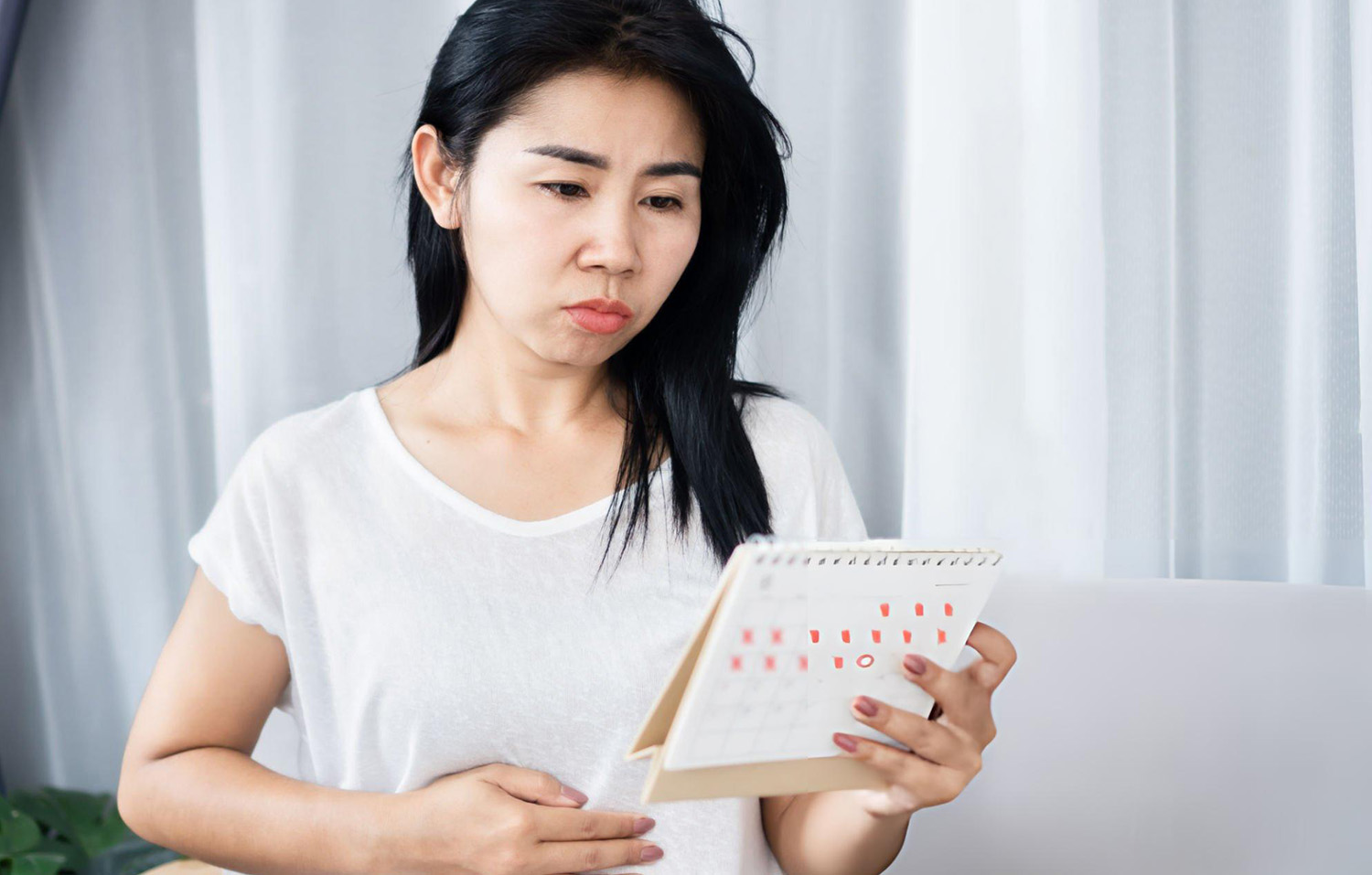
Improve Your Sex Life At Any Age

Let’s talk about sex. 

Is your sex life not what you imagined it would be? Does the thought alone make you tired? Many people find their interest in lovemaking naturally drops with age. Daily stress is enough to put anyone in a rut in the bedroom at times. Changing bodies can have an impact on self-confidence, not to mention that for women, those changes can sometimes make sex painful. Yikes! Who wants to willingly do something that causes pain? 

Let’s have a real conversation. After all, communication is the key to good relationships and good sex at any age. Also, it is important not to overlook the vital role sex can play in our lives. A healthy sex life can improve your health, crazy but true – good sex is associated with a longer life, better sleep, and a lower risk of depression, to name just a few benefits. 

Here are some steps you can take to improve your sex life:

1. Start by talking to your doctor

There are a number of medical issues that can affect your interest in sex. While they are fairly common, they are not ideal and deserve some attention.

Both depression and thyroid problems can reduce your interest in sex, but to compound the issue, many of the medications used to treat these conditions can have a dampening effect on the libido.

In addition, you might want to get your hormone levels checked. As we get older, our androgens (testosterone being a key player here), start to decline. One of the roles androgens play is to rev up our libido, so this process can have a serious impact on desire. The drop in estrogen levels that accompanies perimenopause can affect your libido as well. 

Shifting hormones can affect your sex life in other ways. For example, lower estrogen levels can sometimes lead to so-called “vaginal atrophy”, which is characterized by:

  • Vaginal dryness, even during daily life activities
  • Reduced lubrication during intercourse
  • Thinning vaginal tissue, leading to pain during intercourse
  • Urinary incontinence, which can make women self-conscious

Other physical changes caused by declining hormones can also reduce your sexual desire. For example, some women gain weight during perimenopause, which reduces their self-confidence. Others find they’re simply too tired to think about sex. And some are just too hot – not hot in a “sexy” way, but so troubled by hot flashes that they can’t imagine having another warm body near them.

Sexual desire can require a careful balance of hormones to maintain. You may have taken this for granted when you were younger, but changes are a normal part of your life cycle. Fortunately, help is available. There are many ways to treat the effects changing hormones can have on sex, from vaginal lubricants to hormone replacement therapy and supplements. Your healthcare practitioner can help you find what works for you. So, don’t be embarrassed to talk about a change in your libido!

2. Focus on the positive and be in the moment

Yes, your body changes with age. However, it’s time to let go of any negative feelings you have about those changes. Inhibitions and problems with self-confidence are a sure way to lose interest in your sexual self. Try to accept the changes you’ve experienced. Be honest with your partner about your feelings (they may have similar thoughts about themselves). 

Focus on the good things you’ve acquired with age. You may not have the body you once had, but you now have the experience to know what you want and what turns you on. In the end, self-confidence and communication are more attractive than a perfect body. Think about who are you are now and what you want.

3. Look beyond the bedroom

Many people lose interest in sex when they’re stressed. For women in particular, emotions that originate far away from the bedroom can influence their sex life. For example, many women are more likely to experience physical pain with intercourse if they’re experiencing tensions with their partner. In other words, your emotions can play as much of a role as your physical health in your sexual pleasure. 

Talking about your relationship before a sexual encounter can help prevent those other problems from spilling over into your sexual relationship. If you’re experiencing relationship troubles, consider counseling. Your healthcare provider can provide advice on the next steps if you feel this is something you could benefit from. 

What else can you do outside the bedroom to improve your sex life? Exercise is an excellent start. Even light exercise has been proven to improve sexual function. Not only can exercise improve your confidence, it lowers your levels of the stress hormone cortisol and raises your endorphin levels. Strength training, pilates, yoga, and cardio exercise have all been shown to improve women’s sex lives. So, do something that makes you feel powerful and confident. 

4. Make the time

Unfortunately, the physical changes we experience with age often happen at a busy time for most women. Whether you’re pulled away from romance by work, family, or just the pressures of modern life, it can be hard to find time to address sexual problems. It can even be difficult to put time aside that prioritizes your relationship. 

It’s important to make the time to talk to your partner about sexual concerns. Even something as simple as vowing to go to bed at the same time a few times a week can help you rediscover each other. In addition, many couples find that their sex lives improve if they find time to do fun things together other than sex. 

Sex matters. If you’re experiencing a less than amazing sex life, don’t hesitate to contact our office. Testing and treatment for hormone imbalances can restore your libido. And talking about concerns with an open-minded listener is a great way to start improving your sex life. Sex can become even better with age!

Sources:

https://www.ncbi.nlm.nih.gov/pubmed/15889125
https://www.ncbi.nlm.nih.gov/pubmed/30699876
https://www.ncbi.nlm.nih.gov/pmc/articles/PMC2671314
https://www.ncbi.nlm.nih.gov/pmc/articles/PMC5963213

Is Your Home Toxic? Environmental Pollution and How to Prevent It

Is your home affecting your health? If you avoid obvious pollutants like cigarette smoke, you may be pretty certain your home is not toxic. And if you clean regularly, you might even be slightly offended by the suggestion! However, indoor pollutants are much more common than many people realize. The sources of many pollutants are everyday objects and products we don’t consider harmful.

The media devotes a lot of attention to outdoor pollution (and it’s a valid health concern). However, indoor air pollution is a growing concern, in part because we spend about 90 percent of our time inside. According to emerging research, including a landmark United Nations study, many commonly used chemicals within the home can act as endocrine disruptors when we’re exposed to them. 

What’s An Endocrine Disruptor?
 

Simply put, your endocrine system controls various functions in your body by releasing hormones. It controls how much of each hormone is released based on intricate feedback loops. Certain environmental pollutants have been found to disturb this process. 

The result? Imbalances in your hormonal system. When taken to the extreme, these imbalances can put us on the road to disease such as breast, thyroid and prostate cancer, and disruptive conditions like PMS and ADHD. 

Common Environmental Pollutants In The Home

Unfortunately, it’s not always easy to recognize an environmental pollutant. In fact, some products we identify as “healthy” can be harmful.

Take a look at this list of possible sources of indoor pollution:

1. Cleaning products

Keeping a clean home has long been recognized as an important step in maintaining good health. However, many common cleaning products contain carcinogens such as methylene chloride, which has been linked to increased breast cancer rates.

One thing to keep in mind with cleaning products is that compounds can linger in the air long after the smell has disappeared. For example, molecules in aerosol sprays can be absorbed by dust. That can lead to respiratory irritation. 

In addition, these chemicals can react with other compounds in the air, such as ozone and create “secondary emissions” which can be even more harmful. 

2. Nonstick cookware

The same chemicals that make nonstick cookware so convenient can also harm your health. Compounds found in materials such as Teflon can contribute to certain cancers and even high cholesterol. 

3. Air fresheners

A quick spray of air freshener can make our homes smell fresh and clean. However, the effects on our bodies undermines the pretty scents. When it comes to scented products, it’s often difficult to obtain a complete list of all of the chemicals they contain, but many air fresheners do contain phthalates, which have been linked to hormonal problems, particularly in males.

4. Antibacterial products

Using antibacterial products might seem like a good step towards a healthier home, but studies have found that many commonly used substances in antibacterial products, such as triclosan, can impact our reproductive hormones. As well, overuse has been linked to an increase in allergies for children. 

In addition, overuse of antibacterial products is leading to an increase in drug-resistant bacteria.

5. Water

Government regulations are supposed to keep our drinking water safe from contaminants. However, growing evidence shows that our water supplies contain small amounts of hormones, particularly estrogen. Even these small amounts can disrupt our natural hormonal balance over long periods.

6. Plastic

Plastic containers and water bottles might make life more convenient, but in the long run, they’re not the best choices. Many containers and cans contain BPA, or other xenoestrogens. (In fact, many items marked as “BPA free” contain compounds which may be just as harmful.)

Xenoestrogens are endocrine disruptors which specifically mimic the effects of estrogen. Overexposure can lead to weight gain, mood swings, and other symptoms of estrogen dominance.

7. Scented bathing and personal care products. 

Did you know that the chemicals that give scented products their distinct smells aren’t regulated? And that 95 percent of those scents originate in petroleum byproducts?

It’s easy to feel a bit concerned when you read a list like the one above! After all, we want a clean home and to use the most convenient products possible. Fortunately, a few small changes can reduce environmental pollution in your home. 

How To reduce Environmental Pollution In The Home (AKA Give Your Home A Detox)

1. Don’t try to “mask” unpleasant scents.

Instead of spraying air freshener, try removing the source of the bad odor – wash the dirty clothes (without scented fabric softener!), change the kitty litter. If you need extra ammunition against odors, baking soda is a natural air freshener. A HEPA air filter can also clean air odors right at the source.

For a natural scent, try boiling cinnamon sticks or vanilla pods on the stovetop. 

2. Choose cleaning products carefully. 

Be aware of “greenwashing” which is the practice of making products appear more eco-friendly than they actually are. The Environmental Working Group has a searchable database of more than 2,500 products. 

As well, vinegar, baking soda, and plain hot water can be surprisingly effective cleaners, so doing a bit of research on natural options can pay off. 

3. Avoid aerosols.

Using natural air fresheners that rely on essential oils, or even simmering some lemon slices and a few cloves in a pan, will do the trick just as well and without the side effects.

4. Think about the long-term effects of your purchases. 

A plastic container might be the cheapest option to store your leftovers, but pause and take a minute to consider the possible impact on your health (and the environment for that matter). Sometimes investing a bit more money is the best choice in the long run. Plus, a stainless steel water bottle, or a glass or ceramic food container should last you much longer.

5. Be careful with plastics. 

If you have to use a plastic container, don’t heat it in the microwave. That can cause more xenoestrogens to be released into your food. 

6. Consider your water source. 

If you want to avoid tap water, consider using a filtration system. (It’s best to avoid bottled water, which is often not much better than tap water and has the added risk of contamination from plastic bottles.) However, the water industry is filled with false claims, and prices can be steep. We can review your options in the office to make sure you make the best choice for your needs.

Of course, everyone is different and we all have unique health concerns and personal goals. If you’d like to learn more about environmental toxins and how you can reduce your risks, give our office a call. Additionally if you are suffering from health issues you can’t seem to figure out the cause of, it could be related to toxins. We can help!

Sources:

https://www.ncbi.nlm.nih.gov/pubmed/30953899
https://www.ncbi.nlm.nih.gov/pubmed/20976153
https://www.sciencedaily.com/releases/2011/08/110824091537.htm

http://www.immuneweb.org/articles/perfume.html

https://www.epa.gov/pfas/basic-information-pfas
https://www.ewg.org/enviroblog/2011/09/your-best-air-freshener-isnt-air-freshener
https://www.ncbi.nlm.nih.gov/pmc/articles/PMC4243727
https://www.epa.gov/sites/production/files/2016-12/documents/lenehan-hormones_in_water_using_spe_and_lc-ms.pdf
https://news.un.org/en/story/2013/02/432272-un-report-examines-link-between-hormone-disrupting-chemicals-and-health
https://www.ncbi.nlm.nih.gov/pubmed/18942551

Infertility Rates are Rising – What You Need to Know

Fertility. It’s something we often take for granted when we’re planning our lives. In fact, many women spend a lot of money and effort in preventing pregnancy until the timing is right for conception. However, even when the timing is right, our bodies don’t always cooperate. Recent years have seen a dramatic increase in infertility. One study found infertility rates increased from 5.4 percent in 1984  to 15.7 percent in 2011, a substantial increase in a short period of time.

An Integrative Approach To Fertility

What makes infertility particularly frustrating is that it’s often hard to determine a cause when a couple has difficulty conceiving. Causes of infertility are often multifactorial, and many elements of a couple’s health need to be considered to understand the potential cause(s) in order to best optimize their ability to conceive. That’s why an integrative approach, taking into account lifestyle, genetics, stress levels, and overall health is best if you’re having difficulty conceiving.

Timing is important because so many different elements need to be considered – and timing is a key component, both in terms of your chronological age and the timing of conception. In general, a couple is considered infertile if they’ve been trying for a year to conceive without success. However, it’s often a good idea to start taking some proactive steps to improve your fertility as soon as you have decided you want to conceive.

Factors That Can Affect Your Fertility:

What’s contributing to the increase in infertility? Medical scientists can’t pinpoint one specific cause, but many lifestyle factors can play a role. Some things that can influence fertility include:

Hormone levels

Many hormones work in tandem to create the optimum conditions for conception, including follicle-stimulating hormone (FSH), estradiol, luteinizing hormone (LH), and progesterone. Perhaps not surprisingly, even a tiny variation in your hormone balance can affect your fertility.

That’s why the first step to any fertility treatment is often testing hormone levels. Knowing how your hormones are working together gives your healthcare practitioner an excellent starting point.

Genetic history

If you have a relative who had difficulty conceiving, you may also be at risk for infertility. Recent research has found genetic components to some chromosomal fertility problems.

Your Vital Stats

Age & Fertility

It’s often frustrating for women to realize that age is one of the biggest factors that can contribute to infertility. After all, for many women, it can feel like a narrow window between being financially and emotionally ready to have a baby and being the right age to conceive.

Of course, we all see many examples of women well into their 40s (and beyond) having babies. And it’s definitely possible. However after 35, the odds of getting pregnant decrease at a faster rate. Simply put, we are born with a set number of eggs in our ovaries. As we grow older our risk for other factors that impact fertility increase.

Still, it’s important not to overstate the decline women experience in their 30s. Consider these stats:

  • Percentage of 27-to-34-year-old women who conceive after a year of having sex at least twice a week = 86 percent
  • Percentage of 35-to-39-year-old women who conceive after a year of having sex at least twice a week = 82 percent.

So through our 30s, the odds of conception doesn’t decline very dramatically. However, fertility rates do drop faster after 40, so about 30 percent of women between 40 and 44 will experience infertility.

Weight & Fertility

In addition, your weight can impact your fertility. That’s because excess weight can affect your hormone levels and lead to irregular ovulation. The good news is that studies have found that losing just a small amount of weight can make a difference.

Somewhat paradoxically, women who are underweight (with a BMI of less than 18.5) can experience similar problems because not having enough body fat can also impact your hormone production. However, it’s not just the number of your BMI.  Body composition (the amount of body fat and lean muscle) and activity levels also play a role.

Of course, it takes two people to conceive. Interestingly, scientific studies have found a clear link between male obesity and low sperm levels. In fact, men whose BMI places them in the obese category have 60 percent less seminal fluid than men of normal weight. That’s a pretty significant difference. Underweight men also have lower amounts of seminal fluid, so it’s all about having the right balance — as with many aspects of your fertility.

Stress Levels

Can stress affect your infertility? The answer often is yes. For some women, this is an added source of frustration. After all, dealing with infertility is stressful in itself. However, from an evolutionary perspective, it makes sense. Your body might realize that when you’re stressed, you need to conserve energy. In our busy modern life, this process can continue. When you’re stressed, your adrenal glands produce more of the “stress hormones” adrenaline and cortisol as well as elevates prolactin. All of which can suppress ovulation, not to mention weaken your libido (which is definitely necessary for conception!)

Thyroid Health

Another hormonal issue that can affect ovulation is having low levels of thyroid hormone, a condition called hypothyroidism. Also paradoxically, hyperthyroidism, or high levels of thyroid hormone, can affect ovulation. (You’re probably starting to understand why achieving the right hormone balance is so important!) Thyroid hormone plays a big role in letting your ovaries know when to ovulate, so when your thyroid hormone levels are out of whack, ovulation can be too.

Chemical Exposure

Exposure to certain chemicals – in your foods, your clothing, your cleaning products, beauty care and elsewhere – has been shown to impact fertility levels for both men and women. And you don’t have to work with toxic substances to experience the effects. Even a fairly healthy standard Western diet can introduce pesticides that have negative impacts on our reproductive systems. Removing the toxins from your system requires professional guidance but well worth it for improving your overall picture of health.

How You Can Take Charge Of Your Fertility

As we can see from the list above, treating infertility can be complex. Is there anything you can do on your own to improve your fertility? The most important thing is to act now if you have concerns. Don’t forget: Conception requires careful timing, so you do want to address any imbalances and concerns right away. Here are some steps that can help with difficult fertility.

1. Get your hormones and nutrients tested.

Proper testing to see what’s really going on with your whole body will give us a better picture. Treating infertility requires addressing your overall health, not just your reproductive system. While your hormones play a key role so do many other factors. We can work together to help prepare your body for conception and eliminate the stress of wondering if there is more you should be doing and how to start!

2. Manage your stress levels.

We understand that this is easier said than done, especially when you’re worrying about fertility. (It’s always a bit of a vicious cycle if you start to get stressed about having to relax!) Meditation is a good way to consciously address your emotional concerns.

3. Improve your diet.  

One recent study found that women who ate a lot of fruits and vegetables with high pesticide levels were less likely to conceive. So choose organic produce when possible, or opt for produce that doesn’t typically have as much pesticide exposure (think thick skin that protects the fruit like avocados or oranges).

In addition, certain foods have been associated with higher fertility levels. Your Naturopathic Doctor can help you determine the best diet for your needs. In general, you want to ensure you’re getting adequate levels of folate, Omegas, Vitamin B12, and Vitamin D.

4. Limit toxic exposure.

Both males and females should think about the chemicals they’re exposed every day when they’re trying to conceive. In addition to possible pesticides on produce, frequent exposure to x-rays, radiation, cigarette smoke, alcohol but also toxins in the home and in products you use on your body everyday can all impact infertility. In addition, workplace hazards like exposure to lead and cadmium can all upset the hormonal balance required for peak fertility.

Next Steps

If you’re concerned about your fertility, give us a call. Together we can dive deeper and see where your imbalances are and then develop a clear treatment program. Fertility is a common issue, just know that you are not alone and that we successfully treat many men and women with fertility concerns at the clinic.

Sources

Digital Detox: Take Control of Your Screen Time

Have you ever felt slightly panicked when you’re separated from your phone? Do you know how many hours a day you spend on your digital devices? Do you feel your online activities have a positive effect on your overall well being?

Those are all important questions. And another to consider: Does doing a digital detox feel like a good idea for your health? Or does it simply sound impossible?

A More Conscious Approach To Technology

The truth is that we could all benefit from a more mindful approach to our digital lives. And for many of us, a short “detox” period can help us put the role of technology into perspective.

The Benefits Of Reducing Screen time

If you’re wondering about cutting back on your screen time, check out these potential benefits.

Less Comparison.

Do you ever feel like your life isn’t quite measuring up after logging in to your social media accounts? Many of us end up wondering why everyone else takes such great vacations, looks so good, and has such perfect children.

The old adage “don’t compare your insides to everyone else’s outsides” certainly applies to social media. However, the cumulative effect of “comparisonitis” can take a significant toll on our mental health. Many studies confirm a link between Internet use and mental health issues such as anxiety and depression.

Better Mental Health.

Of course, this relationship may work both ways. For example, have you ever looked down at your cell phone to avoid social interactions? Sometimes we see our phones as “security blankets.” Unfortunately, however, these kinds of habits can only reinforce anxiety. In other words, in addition to triggering anxiety and depression, we may be more likely to turn to the online world when we’re anxious or depressed.

Excessive time on digital devices can also lead to habits that can harm our mental and physical health. One study found that people who are on their phones a lot are less likely to eat regular meals, follow a healthy diet, and get a good night’s sleep. That all adds up to an increased risk of depression and other health issues.

Improved Brain Function.

Even more alarming is the physical effect of screen time on our brain. It’s true: Screen time can actually change the structure of our brain. The results include impaired processing, reduced ability to focus, and “dopamine loops” in which we become addicted to the hit from the feel-good chemical dopamine. After all, who doesn’t get a small thrill of satisfaction when someone likes their Instagram post? That kind of instant gratification is often missing from our offline lives. In fact, researchers have found that the dopamine cycle connected to Internet use and video games is similar to that experienced with drug addiction.

More Restful Sleep.

The blue light from our digital devices affects melatonin production. The result? Difficulty falling and staying asleep. Even more troubling are possible links between blue light exposure at night and an increased risk of diabetes, cancer, and depression.

Better Posture.

You may have experienced “tech neck” or a sore thumb after spending a long time on your phone. As well, researchers note that the slumping posture that develops while using digital devices can also affect your breathing. One study found that 83 percent of people with neck pain have altered breathing patterns.

Better Hormonal And Cellular Health.

One researcher found that people tend to hold their breath when checking their devices. This habit can trigger the “flight or fight “response, in which the body becomes primed for flight. That process served us well in the past, when our body’s response helped us escape predators, but if you’re checking a social media status while sitting down, you can just end up with a lot of extra glucose, adrenalin, and cortisol in your system.

As well, our increased reliance on technology has led to high levels of radiofrequency electromagnetic radiation in our bodies. Although the long-term effects need to be studied further, some evidence links this exposure to an increased risk of neurological disease.

Are you ready for a digital detox?

So, what exactly is a digital detox? Ultimately, it’s up to you. If you’re inspired by the list of possible benefits above, you may be ready to implement your own detox from technology. However, as with many behavior modifications, a slow and realistic approach is often more successful. Your long-term goal could be a weekend (or even a week) without any devices.

Digital Detox Retreats

Digital-detox retreats are a growing trend in the travel business, and provide opportunities to be pampered in spa-like conditions, or to pursue recreation adventures, all without a digital device. There are alternative free options too, of course, such as implementing your own retreat! Examples can be planning a weekend hike in a local area and connecting with nature, or spending time indoors with your kids, a book or your journal. Be creative!

Creating Healthy Digital Habits

Before starting a cold-turkey detox, it’s a good idea to simply be more mindful of your device use. Pay attention to when and why you pick up your phone. Make it a habit to put it away if you don’t need it. Make it a habit to put away any digital devices at least an hour before bedtime.

Fighting FOMO

As you adjust to having reduced online time in your life, try going an entire day without checking a device. This might be uncomfortable at first. Recognize your FOMO (fear of missing out) feelings and acknowledge that really, if something urgent happened, you would hear about it. Remind yourself that don’t really need to know every detail of your friends’ lives, or every piece of celebrity (or political) gossip in real time. In other words, the urgency the Internet can create is not real.

Top Tips For Your Digital Detox

Here are some tips that can help you set up your own digital detox retreat, on a level that works for you.

  1. Make your bedroom a cellphone-free zone. If you don’t have a landline and you’re worried that your loved ones won’t be able to contact you in an emergency (for example, if you have teenage kids who work late at night), simply put it on the other side of the room, with the volume turned up high enough so that you can hear it. And put it face down so other notifications won’t disturb your sleep.
  2. Choose your activities wisely. Even in today’s wired world, you can find places where cell phones can’t be used. If you’re swimming, hiking, practicing yoga, or watching a movie, you can’t check your Facebook updates. And you might end up having more fun.
  3. “Go old school.” We think of our phones as indispensable, but for centuries, people survived without them just fine. And fortunately, many “real-life” tools exist that can do the tasks we rely on our phones for. If you’re worried about losing the functions on your phone, consider a few alternatives: – A paper calendar or day planner to book appointments – An alarm clock to wake up – Books – read them in yellow or natural light. – Letters or cards sent through the post office. (Who doesn’t love receiving an old-fashioned, hand-written letter?) – A classic watch – A camera – A landline phone. We tend to think of the landline as unnecessary, but just over 40 percent of households still have one, and they provide a reliable back-up for getting in touch.
  4. Reschedule your email habits. Many busy executives try to put aside specific times of the day for checking email That means they’re not looking for new messages every 30 seconds, or reading every notification. If this makes you feel anxious, remind yourself that in most instances, emails don’t need an immediate response. Try using an out-of-office response letting people know how to contact you in an emergency.
  5. Use technology. Yes, the idea that technology can help reduce your tech use is ironic. However many apps and programs can measure the time you spend on your phone. If you don’t do this already, try monitoring it for a few days to get a baseline of your usage.
  6. Get your friends and family on board. If you have contacts who expect an immediate response to every text, let them know you’re dialing back on screen time. Similarly, if you’re out at a social event like a restaurant dinner, suggest everyone put their phones away. Perhaps the first person to check their device pays for dinner!
  7. Listen to your body. How do you feel after a few hours without technology? Get in touch with any anxiety you feel that needs to be addressed. And it’s also important to note the positives. Do you notice more of the world around you?
  8. Get help if you need it.

If you’re worried about your digital media use and you’re not sure where to get help, or if you’re wondering if you’re actually addicted to technology, help is available! Give our office a call if you’d like to talk about switching to a healthier, more conscious path.

Reources:

http://www.health.harvard.edu/staying-healthy/blue-light-has-a-dark-side

https://www.cbsnews.com/video/new-study-links-phone-use-and-mental-health-issues-in-teens
https://www.ncbi.nlm.nih.gov/pmc/articles/PMC5970452
https://www.sciencedirect.com/science/article/pii/S0747563215303332
https://www.ejradiology.com/article/S0720-048X%2809%2900589-0/abstract
https://www.psychologytoday.com/ca/blog/brain-wise/201209/why-were-all-addicted-texts-twitter-and-google
https://www.statista.com/chart/2072/landline-phones-in-the-united-states
https://www.huffpost.com/entry/just-breathe-building-the_b_85651

Having A Happy, PMS Free Period Is Possible

The week before your period, it’s not unusual for many women to experience an unwanted transformation from Doctor Jekyll to Ms. Hyde. As our hormones shift, some of us will fall apart into sensitive sleep-deprived puddles. Other simmering souls will find themselves raging without warning. Then there are the mopey bloated hermits who will choose to wrap themselves in a blanket and binge-watch Netflix until Aunt Flow takes a hike. Whoever your PMS alter-ego might be, it’s hard not to feel out of control. But it’s just a part of womanhood we all have to accept, right? Wrong.

Sure, hormones will always shuffle, but we don’t have to be held hostage by their fluctuations. You have the power to overcome many common PMS symptoms and maybe even prevent them from happening!

What Are The Phases Of The Menstrual Cycle?

First, let’s take a moment to revisit Sex Ed 101 to understand the different phases of your menstrual cycle. Once you get to know your natural rhythm, you can begin to accommodate a few healthy habits that will help each phase go more smoothly. In a standard 28-day menstrual cycle, our bodies go through four different phases:

● Release

This begins the first full day of your period when your womb lining is released. During this phase take time to slow down, keep workouts short and be kind to yourself, your body needs it and deserves it!

● Rise

Days 8 to 14. As the title suggests, estrogen levels rise during his stage to continue the cascade of hormonal triggers. This is the time of the month ovulation usually happens, and is accompanied by good moods, energy and feeling powerful.

● Plateau

Days 15 to 21. Estrogen stops surging now and is naturally flushed out of the body as your hormone levels begin to shift. This is a good time to start supporting your body as it detoxes by drinking plenty of water and eating your veggies.

● Pause

Days 22 – 28. During this final stage just before the next period some women experience cravings, cramps and irritability. You are still detoxing, and adding a little cardio into your exercise routine here can help your body to cope better.

Seed Cycling for Balanced Hormones

Seed cycling is just as it sounds. It is a way to optimize your health by ingesting seeds that contain the right hormone-helping oils for each part of your cycle. Because the length of the moon’s lunar cycle perfectly aligns with an ideal monthly menstrual cycle, women with irregular periods, postpartum moms and postmenopausal women can also benefit from the hormone supporting powers of seed cycling to help bring balance and regularity. Simply initiate the practice on the first day of the new moon, then switch to the second phase on the first day of the full moon (day 15), and repeat.

Follicular Phase – Pumpkin & Flaxseed

The first half of your cycle, the Release and Rise phases (Days 1 – 14), fall into what is known as the Follicular phase. This is when your estrogen increases and an egg is prepared for ovulation. During this time, you will want to help boost your estrogen levels by incorporating pumpkin and flaxseed into your diet. Rich in fatty acids, 1 tbsp each of freshly ground flaxseed and pumpkin seeds a day can help improve your estrogen to progesterone ratio. Other benefits of these seeds include a healthier metabolism, reduced breast tenderness, and a decreased risk of heart disease and osteoporosis.

Luteal Phase – Sunflower & Sesame Seeds

The second half of your cycle, the Plateau and Pause phases (Days 15 – 28), are grouped together into the Luteal phase. During this time of your cycle, progesterone levels rise and peak. Adding 1 tbsp each of of freshly ground sunflower and sesame seeds to your diet each day can support your progesterone levels and help to ease PMS symptoms that may occur during this time. Full of lignans and essential fatty acids, these seeds are beneficial for helping hormones even beyond our reproductive years.

Tips For Balancing Your Hormones the Week Before Your Period

During the last week of your cycle, assuming no egg was implanted, estrogen dwindles and is flushed out of your body while progesterone goes up. It is possible to explore short-term strategies on top of the long game of seed cycling during this phase to help reduce some of the symptoms that accompany the dramatic hormonal shift. By supporting your hormones with the following natural strategies, you should be able to have a happy – or at least happier – period.

1. Drink Less Coffee & More Green Tea

Do you ever feel irritable or anxious after drinking too much coffee? That’s because caffeine raises cortisol levels, which can worsen those types of symptoms. Too much caffeine can also cause sleep issues, inflammation and breast tenderness, as well as lower your progesterone levels. Progesterone is an important feel-good hormone, responsible for your overall sense of well-being. It boosts the metabolism and supports thyroid function. Because you want to raise progesterone the week before your period, not lower it, consider switching your caffeine to green tea.

Instead of increasing irritability, green tea is thought to help reduce anxiety. High in antioxidants, it also reduces inflammation, helps to balance estrogen levels, and reduces bloating and water retention.

2. Avoid Alcohol

Alcohol has a way of quickly increasing estrogen levels which can trigger a storm of PMS symptoms like anxiety, mood problems, headaches, and disrupted sleep patterns. Not to mention, too much estrogen also reduces your ability to burn fat by more than half — which isn’t something anyone wants!

The week before your period, swap your cocktail for a mocktail. Kombucha is a refreshing alternative that you can make at home or find in an increasing number of restaurants. Made from tea fermented to produce healthy probiotics, kombucha offers many similar health benefits to green tea and is also great for promoting gut bacteria to assist in the estrogen detox.

3. Reduce Sodium

It may seem like a no-brainer that foods high in salt will increase water retention and bloating, prime PMS symptoms you would likely happily live without. But did you know that sodium can affect breast tenderness as well? Reducing your sodium intake will help to ease these types of annoying symptoms so you can still manage to feel comfortable in your favourite clothes.

4. Increase Magnesium

Magnesium is an essential mineral that helps keep your progesterone levels balanced by regulating the master-hormone gland, the pituitary. And magnesium also helps your muscles to relax, easing crampy symptoms. The week before your period, add more high-Magnesium foods to your diet such as spinach, beans, nuts and seeds.

This is also the best time of the month to indulge in some delicious dark chocolate! Not only is dark chocolate rich in Magnesium and Iron, it is also packed with powerful antioxidants. Aim for the highest cacao content available, starting with at least 70%. Explore higher levels of cacao and discover how your taste gradually adjusts. Challenge yourself to see if you can get your buds to brave a pure 100%. Even if you find it to be beyond bitter, your body will reap the rewards of your valiant effort.

5. Remember to Wind Down

It’s easy to get wound tight by life’s demands. The thing is, most of us don’t take the time we need to really effectively wind down. So many of us regularly operate in a hyper mental state, fueled by an unhealthy balance of stress and restless energy. We rush through the day, our minds constantly jumping onto the next thing. When we experience continuous levels of stress, we overwork our adrenal glands’ fight-or-flight response causing our cortisol to elevate and our progesterone to drop. When progesterone is low, it can lead to a variety of problems including PMS, bloating, breast tenderness, sleep issues, and anxiety.

To keep your cortisol and progesterone levels in healthy balance, give yourself more time to rest by going to sleep a little earlier or reducing the intensity of your workout routine. Limiting screen time and cutting down on social media are also good ways to clear your mind from potentially toxic sources. (Have you read a comments section lately?) And of course, meditation is one of the most effective ways to slow down and get yourself grounded.

Other Factors That Can Contribute To Hormonal Imbalances

While the above suggestions are helpful for women with healthy hormone levels, there are a number of other factors that can impact hormonal imbalances. Many cosmetics and hygiene products contain a barrage of chemicals that can toxify our systems. Gut health is also connected to a wide number of problems in our body beyond digestive concerns, including hormone imbalance, mental health issues and more.

If you find yourself suffering from PMS-type symptoms all the time, bigger hormonal imbalances might at play. Our hormones naturally shift throughout our lives, so it is a smart decision to have your levels checked by a healthcare professional from time to time. The sooner you can identify any potential issues, the sooner you can get your body back to normal.

Don’t let your hormones ruin your life — or even just the week before your period. You have more control than you think!

References

https://academic.oup.com/jcem/article-abstract/77/5/1215/2649961
https://www.ncbi.nlm.nih.gov/pmc/articles/PMC4859868
https://www.ncbi.nlm.nih.gov/pubmed/22792003
https://www.ncbi.nlm.nih.gov/pmc/articles/PMC3208934
https://www.nih.gov/news-events/news-releases/prior-stress-could-worsen-premenstrual-symptoms-nih-study-finds
https://bmjopen.bmj.com/content/8/3/e019490

What You Need to Know About Proper Hydration

A Holistic Perspective On Water And Hydration

Water, the lifeblood of Mother Earth. That free flowing H20 is crucial for the survival of every organic species on the planet. Our earth is made up of 71% water – just a little more than the human brain which floats at 70%. In fact, water comprises up to 55-60% of our entire bodies. With over half our bodies composed of water, it’s clear to see why staying well hydrated is one of the most important (and easiest) things you can do for your health.

3 Common Hydration Myths Busted

Myth: Water Is The Best Way To Hydrate

The truth is, it depends. For most of the year, water on its own should be enough. However when we sweat on particularly hot days or after a lot of exertion, we don’t only sweat out water. We sweat out minerals such as sodium and potassium. These are electrolytes and are vital in keeping the body balance and hydrated, and the muscles working effectively.

Adding a pinch of Himalayan salt and a splash of apple or lemon juice to your water on days like these will go a long way towards replenishing your electrolytes, helping to prevent muscle cramps and other symptoms of electrolyte imbalance.

Myth: Store-Bought Electrolyte Drinks Are Healthy

Brightly coloured electrolyte sports drinks are readily available in every corner store, but what are you really drinking?

While over the past few years most brands of sports drinks have changed their ingredients to remove brominated vegetable oil (BVO), an additive used to emulsify the ingredients which comes with a long list of unfortunate side effects, other problematic ingredients still remain. Always read the label and avoid drinks that have very long ingredient lists, are very high in sugar or contain artificial food dyes. Reach for coconut water as a naturally electrolyte-rich alternative.

Myth: Coffee & Tea Are Dehydrating.

Recent research shows that while the diuretic effects of drinking 1-2 cups of coffee minimally increase urine output for about three hours after consumption, exercise seems to negate those effects altogether.

If you’re a tea drinker, research shows that drinking 4-6 cups of tea can actually be more beneficial than water consumption alone as teas can provide antioxidant and herbal benefits as well.

This does not take into account caffeine’s effects on your adrenal glands however, so if you’re avoiding coffee in order to get a good night’s sleep, by all means keep it up!

Dehydration And Chronic Dehydration: Know the Signs

Dehydration happens when you don’t drink enough water for your body’s needs. Even being just a half litre under-hydrated can lead to an increase in cortisol levels – the stress hormone – which can put a real strain on your overall well-being. In the summer months, common culprits for dehydration include extreme temperatures, excessive physical activity in the heat, and let’s be honest, too much alcohol consumption. Fortunately, these triggers are all preventable by maintaining a healthy balance of water, rest and shade. 

The Warning Signs Of Chronic Dehydration

When the body is constantly forced to function without enough water over days and weeks, chronic dehydration can begin to set in. Chronic dehydration can cause a variety of health complications from high blood pressure to kidney stones.

You may already be familiar with the most common signs of dehydration, which include:

●       Extreme thirst

●       Tired muscles

●       Dizziness and disorientation

●       Dark-coloured urine (deep yellow, brown or maroon)

However, chronic dehydration reacts a bit differently.

As the body kicks into survival mode, it gets creative by sucking moisture from other sources.

Chronic dehydration may present itself in a variety of ongoing symptoms, such as:

● Constipation

● Fatigue

● Muscle weakness

● Headaches

● Dry or flaky skin

If you suspect you might be suffering from chronic dehydration, increasing your intake of water may not be enough to get you back on track. It is important to make an appointment with your healthcare practitioner so they can properly assess your concentrated blood volume, electrolyte levels, and kidney function to help get you back on the path to optimum health.

Beyond staying hydrated, how do we know what type of water is best? Must we wet our lips only with melted artisanal ice chipped by hand from Alpine glaciers — or are bottled brands no better than the backyard hose?

What’s In Your Tap Water And Is It Always Safe?

With upwards of 90,000 cases of illness and 90 deaths a year due to waterborne illnesses, it’s no surprise that we have become skeptical about the quality of our tap water. Who knows what variety of microorganisms, pollutants, and other foreign disruptors might be flowing from our faucets, or not? While municipal tap water is generally considered to be safe, and in areas with a modern water supply system tap water still remains better for you than allowing yourself to become dehydrated, there are a few potential contaminators that can, and sometimes do, leech their way into our water sources:

Pathogens

Bacteria and parasites can easily enter water sources such as private wells from human or animal fecal matter. Some of the most common bacterial gastrointestinal diseases transmitted through water include salmonella, shigella and in some parts of the world even cholera. While cholera may not be a current concern in North American waterways, parasites like cryptosporidium can be, causing diarrhea and leading to potentially fatal illness if not immediately treated.

Glyphosate

Used in pesticides, glyphosate can enter our waterways from farmland runoff. It can also be found throughout our food chain and is regularly detected in human urine. Research suggests that glyphosate-based herbicides may be endocrine disruptors and can also have an impact on kidney and liver function.

Lead, Aluminum & Heavy metals

When plumbing pipes grow old and begin to corrode, lead, aluminum and other heavy metals can leak their way into our tap water. Lead consumption can lead to severe developmental challenges and learning disorders in children. Meanwhile, aluminum and other metals have been shown to cause nerve, brain and kidney damage.

Hormones & Pharmaceuticals

We now know that staying properly hydrated is necessary for helping to manage hormones like cortisol; however, tap water can also be responsible for causing hormone imbalances. This is due to a variety of hormone disruptors and pharmaceuticals found in many municipal water supplies such as birth control pills, antibiotics, painkillers, antidepressants, among a cocktail of other micropollutants. Even small amounts of hormones can shift our chemistry in unwanted ways.

Chlorine

A disinfectant used in water treatment facilities; chlorine is effective for killing microorganisms. Unfortunately, it also poses toxic effects to our bodies, destroying healthy gut bacteria, which can cause all kinds of issues. Chlorine has been identified as the number one cause of bladder cancer. It is also connected to rectal and breast cancers, as well as other conditions including asthma, birth defects and premature skin aging.

Fluoride

For years, our government has pumped fluoride into our water supplies, while many European countries have banned its use altogether. Current research suggests that fluoride in our tap water may do more harm than good. Some studies have linked fluoride suppressed immune system and thyroid function, disruption of the pineal gland, and an increased risk for fractures and even cancer. Furthermore, fluoride may contain arsenic and also leaches lead from piping at much greater rates.

Now, who wants any of that in their water?!

So, Is Bottled Water Any Better?

Sadly, bottled water comes with its own baggage. First of all, the bottled water (or rather the plastic bottle) industry is not sustainable. Much like the disposable plastic straws we hear so much about, the majority of plastic bottles do not get recycled and end up in landfills – or back into our oceans with heartbreaking irony. This doesn’t even take into consideration the energy it takes to produce and distribute bottled water to every corner store and hot dog stand around the world. When you add it all up, a lot of unnecessary pollution goes into every last drop.

As for the quality of water itself, a lot of bottled water is simply glorified tap water hiked to an exorbitant cost. Mold, microbes, benzenes, phthalates, trihalomethanes, and yes, even arsenic have all been found in bottled water. And then there are the harmful plastic chemicals from the bottle itself, such as BPA among other elements, that can also be found floating in your drink.

Overhyped and overpriced, simply put – bottled water is bad for the planet and not so great for you either. So, what’s a person to do?

What Is The Best Possible Water Source?

Your very best option for clean, pure water is to invest in a good quality filtration system for your kitchen. For an added vote of confidence, be sure your filtration system is certified by NSF International or the Water Quality Association. And of course, you should set a reminder to change your filters on schedule to ensure your drinking and cooking water is always the best possible quality.

Are you always on the go? That’s easy solution. Get yourself a stainless steel or glass reusable water bottle and keep it with you at all times. That way you are sure to keep your body healthy and hydrated, looking out for your own best interest and the health of our planet, which is in everyone’s best interest.

Not a huge fan of drinking water no matter where it comes from? You aren’t alone but there are options; try adding in cucumbers, mint, orange or lemon slices to flavour it up a bit and remember water is crucial to not just hydrate our bodies but also to flush out all the toxins we are exposed to.

References:

http://www.cwwa.ca/pdf_files/2016Katarina%20Pintar.pdf

https://www.ncbi.nlm.nih.gov/pmc/articles/PMC3886980
https://www.ncbi.nlm.nih.gov/pmc/articles/PMC2996186
https://www.ncbi.nlm.nih.gov/pubmed/?term=PMC3690253
http://web.archive.org/web/20210621222531if_/https://detoxproject.org/glyphosate-in-food-water/embed/#?secret=z8zGX52C5u
https://www.webmd.com/diet/features/water-stress-reduction

Statements from European Health, Water, & Environment Authorities on Water Fluoridation

http://web.archive.org/web/20210621222531if_/http://fluoridealert.org/content/europe-statements/embed/#?secret=k9uxs9iUMu

https://www.sciencedirect.com/science/article/pii/089203629400070T?via%3Dihub
https://www.ncbi.nlm.nih.gov/pubmed/16895092

Which Is More Important: Diet or Exercise?

Eat less, exercise more. You’ve probably heard that’s the secret to weight loss. So, it makes sense that if you want to lose weight quickly, or if you’ve hit a weight-loss plateau, you need to really ramp up the exercise, right?

Unfortunately, many people experience frustration with this approach. Why aren’t they successful?  Research suggests that weight loss can be more complex than a simple “calories in/calories out” formula. In fact, our hormones play a larger role in regulating our metabolism than many people realize. As a result, maintaining a diet that encourages hormonal balance is often more effective than hours of exercise.

Why Exercise Can’t Make Up for a Bad Diet

Consider a woman training for a 10-K race. She runs from half an hour to an hour every day. With all of that exercise, she figures she should be losing weight and should be able to treat herself every so often.  However, she’s plagued by some remaining pounds that she just can’t shake.

What’s happening? Let’s take a look at the math. As a 140-pound woman, she burns about 300 calories in a 30-minute run. And that’s fantastic! In addition to the calorie loss, she experiences cardio health, mood elevation, and countless other benefits (including a sense of accomplishment!) from her runs.

However, those 300 calories are a lot easier to consume than they are to burn. Simply put, she can consume 300 calories by eating a small bagel or sipping on a sweet coffee drink.

In fact, studies have shown that exercising often leads to an increase in food consumption. Some of this effect may be due to our hormones’ impacts on appetite, and some of it simply might be because we tend to tell ourselves (often subconsciously) that we deserve more food after a workout.

The Science Of Exercise And Appetite

Interestingly, one study found that a modest amount of exercise (about 30 minutes a day) is more effective for losing body fat than longer periods of working out. One reason for this might be that our everyday movement (the things we do in a normal day that are not related to formal exercise) may decrease if we’re tired from a long workout. As well, the hormones that stimulate our appetite may increase when our bodies are overstressed.

What does this mean for your weight-loss efforts? All told, scientists have concluded that diet is more effective than exercise for weight loss. However, the best approach combines the two. That’s because it’s important not to dismiss exercise’s role. Working out can improve your metabolism, particularly if you add strength training to your routine. And, of course, – exercise offers countless other benefits, from better skin to improved digestion to deeper sleep. It’s an important part of a healthy, balanced life.

The Most Effective Formula For Weight Loss

So, what is the ideal weight loss formula? The best approach is one that reflects your unique health profile. Your age, gender, overall health and lifestyle all impact your metabolism. That’s why it’s important to work with your healthcare practitioner to develop a strategy that works for you and to make sure there isn’t something else going on that’s sabotaging your ability to reach your weight loss goals.

Breaking a Plateau – Tips for Success

A few simple changes can help you make the most of the “diet” part of the equation so that you experience the weight-loss benefits of both diet and exercise.

1. Experiment with intermittent fasting to find a fasting schedule that works for you.

Intermittent fasting involves integrating scheduled periods of abstaining from food. There are many different approaches you could try. To name a few popular examples, some people eat regular meals five days a week and fast for the other two. And many people follow an “8-16” schedule, in which they eat for eight hours a day (for example, 10:00 to 6:00), then fast for 16 hours.

Studies have found that the effectiveness of these periods of fasting goes beyond the missed calories because of the effect on your hormones – for example, periods of not eating can help keep insulin levels in check. When your food is digested in your gut, carbs are converted to sugar and used for energy. But excess sugar is stored as fat, with the help of insulin. If your insulin levels drop, fat cells can release this stored sugar. In addition, fasting can elevate your levels of human growth hormone (HGH) which can lead to muscle growth and fat loss.

2. Keep a food diary.

One strategy that has been proven effective for weight loss is to carefully monitor what you’re eating in a food diary. Making this a habit can help prevent the tendency many of us have to overcompensate for an exercise session or grab a quick snack without realizing the extra intake and its effect.

3. Focus on natural, nutrient-dense whole foods.

When you want to get the most nutrient value from the foods you eat, “clean” eating is the best approach. Often when people hit plateaus in their weight-loss efforts, hormone imbalances are to blame. And that means that no amount of extra exercise will help break the plateau. Nutrient-dense foods are full of vitamins and minerals that can help restore hormonal balance. So try cutting out processed foods, refined sugar, and alcohol in favour of whole foods.

Understanding how your unique body is working involves testing, not just guessing, and this holds true for weight loss. Maybe it’s a hormonal imbalance or food sensitivities that are impacting your body’s ability to metabolize food properly and stay slim.

As always, a personalized approach will be the most effective. If you’ve hit a weight-loss plateau, or if you’re wondering how to achieve the right balance between diet and exercise, give our office a call!

resources

https://www.sciencedirect.com/science/article/pii/S1550413118302535
https://www.ncbi.nlm.nih.gov/pubmed/25323965
https://www.ncbi.nlm.nih.gov/pmc/articles/PMC4227972
https://academic.oup.com/ajcn/article/93/2/427/4597724
https://www.ncbi.nlm.nih.gov/pmc/articles/PMC3771367
https://www.ncbi.nlm.nih.gov/pubmed/21832897?dopt=Abstract
https://www.ncbi.nlm.nih.gov/pmc/articles/PMC3268700
https://physiology.org/doi/full/10.1152/ajpregu.00141.2012
https://www.ncbi.nlm.nih.gov/pmc/articles/PMC329619

Signs That Your Body Is Out of Balance

Are you feeling burnt out and overwhelmed? You’re not alone. Let’s face it: We’re all busy, dealing with endless to-do lists and struggling to balance it all. The result is often a day-to-day life that feels too hectic. We feel pulled away from the things that matter – and we may have even forgotten what those things are.

Many people find their way to our clinic at a time in their lives where they feel compelled to take charge of their wellbeing before it gets out of control. Perhaps they’re experiencing health problems that they just can’t shake, or they are ready to take their health to the next level because they know their health is their best asset. By seeking the kind of holistic help a Naturopathic Doctor can provide they’re claiming ownership of their current and future health.

A Fork In The Road

The inescapable truth is that good health is vital to living a rich and meaningful life. Fortunately our bodies let us know when we’re standing at a health crossroads by giving us warning signs in the form of unpleasant symptoms. However, many of us don’t listen to those signs, leading our health down a slippery slope.

Here’s a key fact: Illness doesn’t develop overnight. It often begins when we’re out of balance and burnt out. We need to pay attention to the warning signs before they escalate into something worse.

Five Signs That Your Body Is Out Of Balance:

1. You Feel Incredibly Stressed

We all feel stressed from time to time. And some stress is necessary to motivate us to get things done. However, chronic stress can lead to many health issues, including muscle pain, cardiovascular and digestive issues, hormonal imbalance, depression and anxiety, and weakened immunity.

From an evolutionary perspective, the “fight or flight” response produced by stress hormones (including cortisol and adrenaline) makes sense. By putting your body into overdrive, those hormones could help you if you were under attack by a predator. However, in today’s world, stress tends to be chronic and relentless. As a result, your hormone levels can be way out of balance.

2. You are Irritable and Experiencing Mood Swings

Are you ready to fly off the handle at any moment? Do things that used to make you laugh now irritate you? You could have an imbalance of the hormones that affect your mood, such as serotonin and cortisol. Changes in estrogen levels and thyroid imbalances can also lead to irritability.

3. You are Experiencing Sleep Disturbances and Difficulty Falling Asleep

Sleep problems can become a vicious cycle: We need sleep to refresh our minds and restore balance, but when our bodies are out of balance, it can be difficult to sleep well. If you toss and turn for hours, or wake up in the night with racing thoughts, it may be time to listen to your body and start practising better sleep hygiene.

4. Your Body is Changing (Rapid Weight Gain, Debilitating Fatigue, Skin Problems, etc.) and you Can’t Figure Out Why

Many patients experience mysterious symptoms that can’t be explained by conventional medicine. Weight gain is a common example. If you find you’ve gained weight without any change to your lifestyle, your body might be telling you it’s out of balance. Similarly, unexplained fatigue or sudden acne (long past the teen years) are symptoms you shouldn’t ignore. 

5. You Rely on External Substances to “Manage” Life

If you feel like you can’t make it through the day without your morning coffee, midmorning macchiato, and afternoon pumpkin spice latte and muffin, ask yourself what purpose those magic drinks and sugar are serving. Relying on a substance, be it sugar, caffeine, or even alcohol or cigarettes is not a sustainable way of coping with life’s difficulties and the short term boost soon gives way to unbalance. It’s important to seek help to nip these habits in the bud.

Does anything on that list sound familiar? You’re not alone! Feeling overwhelmed is often the result of our natural instinct to try to please everyone. The good news is that there’s a better way.

Recovering From Overwhelm: How To Bring Your Health Back Into Balance

How can you start the process of restoring balance? It’s simpler than you might think.

Step One. Reprioritize What’s Really Important.

What matters most to you? Chances are it’s not the laundry, or your next meeting, your emails or buying a nicer couch, or many of the things that take up space on your to-do list. Ultimately, for most of us, the important things are more intangible: our health, relationships, and family. And in order to prioritize those things, we need to put self-care at the top of the list. Simply put, we can’t devote energy to the really important things if we’re not looking after ourselves.

Interestingly, many people find that when they adjust their priorities, the other things cease to feel like such a struggle. It may seem like a bit of a paradox, but when we look after ourselves, everything else falls into place.

If you want to reconnect with your priorities and figure out what really matters, mindful meditation can help. You can also try journaling – writing down your thoughts can be a great way to sort them out. In fact, writing down your emotions can be the outlet you need to ease the harmful physical effects of stress – and remember to take time for gratitude daily.

Step 2: Recognize Where you Need Help and Ask For It.

This step can be hard for many people. After all, as adults, we’re supposed to be self-sufficient, right? However, consider this: Many successful people have help. Athletes have health and fitness coaches; musicians have teachers; many business owners have mentors. And they often credit their success to that support and guidance.

The real strength is in identifying areas of your life that feel out of control, and admitting that you could do with a helping hand.

A good first step is to book a thorough review of your health and wellness status with your Naturopathic Doctor. We’re here to help you better understand where these feelings of overwhelm and bothersome symptoms are coming from, and give you the tools you need to find balance again. Functional testing is available to remove the guesswork and identify any possible underlying physical issues, such as hormonal imbalances. This holistic approach allows us to support you with an effective plan of action for your health and wellbeing that’s tailored specifically to you.

If you are ready to dive deeper into your health and rebalance your life, give us a call!

References

https://www.sciencedaily.com/releases/2012/04/120402162546.htm
https://www.psychologytoday.com/us/blog/raising-happiness/201609/9-ways-ease-overwhelm
https://www.ncbi.nlm.nih.gov/pmc/articles/PMC3341916
https://radianthealthsf.com/wp-content/uploads/2019/10/De-Kloet-ER-Joels-M-Holsboer-F-Stress-and-the-brain-from-adaptation-to-disease-Nat-Rev-Neurosci-6-463-475.pdf
https://www.cambridge.org/core/journals/advances-in-psychiatric-treatment/article/emotional-and-physical-health-benefits-of-expressive-writing/ED2976A61F5DE56B46F07A1CE9EA9F9F

PCO: Polycystic Ovarian Syndrome: What You Need to Know

Polycystic ovarian syndrome (PCOS) can impact many aspects of a woman’s health, from her moods, her weight, to her chances of conception. This surprisingly common condition can be difficult to diagnose and treat. That’s partly because conventional medicine practices are often geared towards tackling the symptoms without truly getting to the underlying reasons. Naturaltreatments for PCOS address this frustrating condition from all angles, addressing the whole system with a special focus on the root cause.

What Is PCOS?

Simply put, Polycystic Ovarian Syndrome is a hormonal problem that can affect women during their reproductive years. It’s marked by irregular ovulation and higher than normal levels of the “male” hormones or androgens such as testosterone. The name refers to changes to the ovaries, which become filled with small cysts that lead to hormone imbalances.

Because PCOS can be difficult to diagnose it’s a bit uncertain how common it is, but about five to 10 percent of women may experience it during the reproductive years.

The Symptoms of PCOS

The symptoms of PCOS often start to appear slowly over time, and the changes they bring about are often easy to dismiss as normal.

If you experience the following symptoms, it may be time to talk with a healthcare practitioner:

● Weight Gain

Gaining weight without any particular change in lifestyle, especially around the belly. Women with PCOS often develop an “apple” shape in which their body fat collects in the torso area.

● Acne

Facial and back acne and other skin conditions such as dark patches and skin tags often go hand in hand with PCOS.

● Hirsutism

Extra hair on the face and body, particularly on the upper lip, chest, and back as a result of hormonal imbalances.

● Mood Changes

PCOS can particularly bring on an increased risk of depression or anxiety

● Irregular Periods

Some women cease to menstruate at all. Others develop very heavy periods.

● Difficulty conceiving

Cystic ovaries, as well as the accompanying hormonal imbalances, can make conception difficult, potentially leading to the need for extra help to get pregnant.

What Are The Underlying Causes Of PCOS?

Genetics

It is very often difficult to determine one precise cause for PCOS, since many factors can contribute to its development. Genetics do play a role however, so if your mother or sister has had PCOS, you are more likely to develop it.

Weight

Carrying extra weight can also contribute to PCOS. Of course, this creates a frustrating dynamic since PCOS makes you more likely to keep gaining weight. Hormonal imbalances also make it harder to lose that extra weight.

Stress

As well as the more measurable factors, some research suggests that high stress levels may play a role in the development of PCOS. That’s because stress can wreak havoc on your hormones, resulting in an overproduction of testosterone and insulin.

Insulin Resistance

Insulin resistance may be a major factor in PCOS. About 70 percent of women with PCOS also have insulin resistance. Obesity, high blood sugar, inactivity, and stress can all lead to insulin resistance, however in PCOS insulin resistance seems to be both a symptom and a driver of the condition and affects all body types.

Why PCOS Can Be Frustrating: The Shortfalls of Conventional Medicine

Not only is it difficult to diagnose PCOS, it can also be tricky to treat. Many conventional medical care providers seek to simply mask the symptoms by putting women with PCOS on birth control pills.

One clear flaw in this approach is that birth control pills won’t help women who are trying to reverse their PCOS in order to conceive. More importantly, this approach isn’t getting to the root of the problem, in fact it may exacerbate it. Birth control pills containing estrogen can actually raise blood sugar levels in addition to carrying other health risks. The goal should be to restore overall health, not add the potential for more problems.

The Natural Approach To PCOS

A naturopathic approach considers the whole person in treating PCOS. That means addressing the underlying causes of hormonal imbalances. The goal is to improve all aspects of a patient’s health – and consequently, reduce PCOS symptoms.

Treatment starts with a thorough evaluation of your health history as well as thorough functional testing. Although the exact protocols will vary by patient, here are some proven tips for treating PCOS.

1. Weight Loss Plan

If you’re overweight, work with your healthcare provider to create a healthy weight-loss plan. Losing just small amounts of weight can make a big difference to PCOS symptoms. However, you want to approach weight loss in a way that doesn’t create more stress in your body as stress can have a negative effect on insulin levels. That’s why it’s important to work with your healthcare practitioner.

2. Natural Whole Food Diet

Eating foods without preservatives or other endocrine disruptors is the best approach to fully nourishing your body’s intricate systems.

3. Balance Protein And Carbs

You don’t have to eliminate carbs altogether. Choose unprocessed, complex carbs and balance them with sources of lean protein.

4. Improve Gut Health

By improving your gut health to reduce inflammation and improve elimination, probiotics can help regulate hormone levels.

5. Choose Foods High In Omega-3 Fatty Acids

Essential Fatty Acids are the building blocks of many hormones, and a deficiency in EFAs is very common. Good sources include fatty fish such as salmon or sardines, as well as eggs, nuts and seeds.

6. Talk to your healthcare provider about supplementation

Depending on your personal profile, helpful supplements could include magnesium, vitamin D, and calcium. In particular, inositol (a B vitamin) has been proven effective for PCOS treatment. And chromium can help metabolize sugar and stabilize glucose levels. The right testing by your doctor can uncover any deficiencies you may have and help you come up with a targeted supplement protocol.

7. Get Enough Sleep

A good night’s sleep is an essential part of hormone regulation. Interestingly, studies have found that sleep problems are twice as common for women with PCOS. So be sure to pay attention to your sleep habits.

8. Get some healthy movement

Moderate exercise will help with weight loss and the insulin  resistance. It will also relieve stress and balance your cortisol levels. One study found that a mix of high-intensity interval training and strength training helps women with PCOS. However, talk to your healthcare provider about the best approach for you as many women with PCOS do better with gentle exercise.

Take Control of Your Hormones

Yes, PCOS can be frustrating. However, much research has been done recently on functional testing and effective natural, holistic treatments for PCOS. By treating your body as an integrated set of systems, you can get to the bottom of your PCOS symptoms and get on the path towards true balance and wellbeing.

Ready to take control of your hormones? Come into the office and we can get started!

References

https://www.nichd.nih.gov/health/topics/pcos
https://www.ncbi.nlm.nih.gov/pmc/articles/PMC6250088
https://www.ncbi.nlm.nih.gov/pmc/articles/PMC5655679
https://www.ncbi.nlm.nih.gov/pmc/articles/PMC5461594
https://www.hindawi.com/journals/ecam/2012/591654
https://www.sciencedirect.com/science/article/pii/S1756464617307727
https://www.ncbi.nlm.nih.gov/pmc/articles/PMC3277302
https://www.ncbi.nlm.nih.gov/pmc/articles/PMC4135453
https://www.ncbi.nlm.nih.gov/pubmed/28595797

Male Health: 4 Common Concerns and How to Treat Them Naturally

Not so shockingly, Men are less likely than women to visit a healthcare provider when they’re sick. And often they wait until a medical issue has become serious before they do anything about it. Some of this tendency may be that men are less likely to ask for help in general (hence their often-joked-about difficulty with asking for directions). And some of it may be that many men simply don’t like to talk much about health issues. 

The reason most commonly cited by men for avoiding medical appointments is that they feel they’re too busy. But with the rise in chronic conditions and disease, men need to be more proactive about their health. This month we’re discussing some of the most common health concerns specific to men, and natural ways to prevent and treat them.

This information doesn’t replace the need to see your doctor – in fact, we hope that it will encourage more men to take their health seriously and visit their healthcare practitioners.

1 – Prostate Enlargement

The small prostate gland is one of those little-discussed body parts. However, one in every 9 men in North America will be diagnosed with prostate cancer in their lifetime. That makes it the most common form of cancer for the country’s men. The good news is that regular screening is often able to catch prostate cancer because it is generally a slow-growing cancer. The bad news is that many men don’t seek out screening at all until they have been living with the symptoms for far too long.

All men over 50 should talk about their prostate health with their healthcare provider. It’s particularly important if you have one of the risk factors for prostate cancer.

What Are The Risk Factors For Prostate Cancer?

  • Obesity (having a BMI over 30)
  • A family history of prostate cancer
  • Eating a diet high in red meat and dairy

Some evidence suggests smoking may also be a risk factor (and even if it’s not, quitting is always a good idea anyway).

Benign Prostate Enlargement (BPE)

Not all prostate enlargement is cancer. In fact, a more common issue causing similar symptoms in the earlier stages is an enlarged prostate, also called benign prostate enlargement (BPE). Although it’s not prostate cancer, BPE can have a negative impact on a man’s lifestyle. That’s because it leads to frequent urination, poor control of urine flow, embarrassing “leaks,” and difficulty emptying the bladder.

About 50 percent of men will experience BPE by the age of 60, and up to 90 percent by the age of 85. In addition to age, heart disease, diabetes, and obesity are risk factors.

Fortunately there are several natural approaches that can be used to support a healthy prostate and reduce the risk of issues down the line.

Supplements To Support The Prostate

Some studies have found that the herbal remedy saw palmetto can improve men’s urinary tract function because it lowers testosterone production, which in turn can shrink the lining of the prostate. In addition, low zinc levels are indicative of BPE, so consider adding zinc supplements to your regime and increasing your consumption of high-zinc foods such as eggs and nuts. Another promising supplement, pygeum (African plum extract) has been linkedwith a lower risk for BPE in several studies.

Simple Dietary And Lifestyle Changes To Help Protect The Prostate

  • Increase the amounts of lycopene you consume. Deep pink or red foods are good sources of lycopene, so turn to things like tomatoes, watermelon, and grapefruit.
  • Stay hydrated. Make sure you drink lots of fluids during the day to support your urinary system. However, it’s best to stop drinking about two hours before bedtime if you are plagued by frequent trips to the bathroom.
  • Limit or eliminate caffeine, artificially sweetened drinks, and alcohol. If you must have caffeine, choose green tea – one study found it may help prevent prostate cancer.
  • Choose natural, unprocessed food whenever possible.

2 – Low Testosterone

Many signs of “low T” develop slowly over time. As a result, men often ascribe their symptoms to simply growing older. However, a reduction in testosterone levels doesn’t have to be a normal consequence of aging. Although your hormone levels do begin to drop as early as your 30’s, there are a number of steps you can take to help protect them.

Symptoms Of Low Testosterone Levels

How can you tell if you have low testosterone? Only your healthcare practitioner can make a definitive diagnosis, but the following signs could indicate it’s time to schedule an appointment.

  • Lagging libido
  • Unexplained fatigue
  • Depression
  • Irritability
  • Increased body fat
  • Male breast tissue growth
  • Loss of muscle tone

How Can You Protect Your Testosterone Levels As You Get Older?

1. Sleep

Missing a few hours can quickly cause your levels of testosterone to drop. Try to maintain a consistent sleep schedule, and practise good “sleep hygiene” by ensuring your bedroom is dark and switching off any electronics for one hour before bedtime.

2. Exercise

Working out is one of the more direct ways to give your testosterone levels a boost- there’s a reason many men feel “pumped up” after a workout. Weights are the most effective activity for raising testosterone levels, and recent studies found high-intensity interval training HIIT workouts productive in this regard.

3. Eat a balanced diet

Include plenty of good quality protein, unrefined carbohydrates, and healthy fats.

4. Keep stress levels in check.

When you’re stressed, your levels of the hormone cortisol rise. And when cortisol rises, testerone drops. So avoid chronic, long-term stress. And if you’re feeling overwhelmed, schedule some mini-breaks for yourself. Calling a time out on a hectic schedule to meditate or simply go for a short walk can pay off in the long run.

5. Watch your vitamin D levels

Spending time in the sun, or taking vitamin D supplements during the winter, can give your body a key component needed to raise your testosterone levels if they are low.

6. Talk to your healthcare provider about supplements and testosterone replacements

There are some herbs and nutrients that can increase testosterone. However, once you are over the age of 50, testosterone replacement therapy will provide the best results. Testosterone replacement is very safe when delivered and managed by a health care practitioner with an expertise in bioidentical hormone replacement.

7. Avoid estrogen-mimicking materials

Many compounds found in daily life can affect your hormones because they mimic estrogen in your body. In particular, avoid materials made with BPA, parabens, and phthalates. That means not using things like plastic water bottles, air fresheners, and scented grooming products.

3 – Heart Health

Heart attacks are the leading cause of death regardless of gender. However, the average age of a first heart attack is about seven years younger for men, largely due to the protective effect of women’s hormones.

Men can take steps to protect their own heart health at any age. Although some commonly prescribed cardiovascular medications have adverse side effects, nutritional therapies show promising results in research and can be used alongside conventional medicine to support the body.

Factors That Affect Your Heart Health

Omega-3 fatty acids

Several studies have found that men who consume a lot of foods high in essential fatty acids have lower mortality rates from cardiovascular events. Foods that are especially high in omega-3 fatty acids include oily fish like salmon, walnuts, chia seeds, and flaxseed oil.

Magnesium

Magnesium is a mineral that is used by all muscles in the body to relax, and that includes the heart. A recent study found that magnesium may also help the heart repair existing damage. Foods high in magnesium include dark chocolate, avocados, tofu, and beans.

Exercise

Of course, one of the best things you can do for your heart muscle is to exercise it. It’s important to remember that you don’t have to run a marathon or spend hours in the gym. The movements of daily life (like gardening, vacuuming, and walking to the store) all contribute to a healthy heart.

Stress

Your heart is yet another body part that suffers when you’re stressed. Think about it: When your stress hormones kick you go into “flight or fight mode,” your blood pressure rises and your heart beats faster. You’re also more likely to engage in behaviours that hurt your heart, like overeating or drinking alcohol. Yes, drinking small amounts of alcohol has been shown to help heart health. But don’t forget that moderate drinking for men is two drinks a day or less.

4 – Depression

Signs of depression can be different for men than they are for women. Men are more likely to appear angry when they are suffering from depression. But the effects of this tendency to hide depression can be devastating. Consider these stats: over 30 percent of men say they have felt depressed. And the rate of suicide in men is four times that of women. You may be surprised to learn that men over 85 years of age have the highest rate of suicide of all.

If you experience any of the signs below, talk to someone immediately. Depression is treatable. There is lots of help out there.

  • Difficulty concentrating
  • Feelings of guilt or worthlessness
  • Difficulty sleeping
  • Loss of appetite
  • Indecisiveness
  • Agitated repetitive movements like pacing or drumming with your fingers
  • Unexplained aches and pains

If you’re a man with any of the symptoms or health concerns mentioned, don’t hesitate to come in and talk about them. Taking charge of your health can help you get back to living with vitality and energy. It’s time to get started!

References

https://www.greenmedinfo.health/blog/7-ways-prevent-and-even-reverse-heart-disease-nutrition1
https://www.ncbi.nlm.nih.gov/pubmed/18982874
https://www.huffingtonpost.ca/dr-allana-polo/holistic-mental-health_b_8270604.html
https://www.ncbi.nlm.nih.gov/pmc/articles/PMC2077351
https://www.healthline.com/health/mens-health-concerns#circulatory-health
https://www.healthline.com/health/mens-health#doctor
https://www.sciencedaily.com/releases/2016/06/160609064534.htm
https://bmcpublichealth.biomedcentral.com/articles/10.1186/s12889-016-3706-5
https://www.prostatecancer.ca/Support/Healthy-Living-Tips/Healthy-Living-Tips-Archive/Are-you-at-Risk-of-Developing-Prostate-Cancer
https://pdfs.semanticscholar.org/3af2/cba5d0c864e798333b719f0dcb9d49611894.pdf
https://pdfs.semanticscholar.org/382c/bc37042c44ee019b3bca77af8c21e03d391f.pdf
https://www.huffpost.com/entry/the-mystery-of-declining-testosterone_b_59fcc5fbe4b0d467d4c224b3
https://www.ahajournals.org/doi/full/10.1161/01.cir.102.19.2353