Top Tips to Enhance Your Lung Function

It’s hard not to think about our lungs and how we can keep them healthy amidst all the uncertainty of this pandemic. Seeing our economies shut down and a global health crisis is something almost none of us have had to contend with at this level in our lives.

Best Practices For Lung Health

Understanding what you can do to help your lungs function at their best will help you in more ways than one so we are sharing some top tips you can do at home.

1. Practice Deep Breathing

Did you know that we normally only use about 50 percent of our lung capacity? Increasing the involvement of your entire lungs can help keep them healthy.

How Breath Works

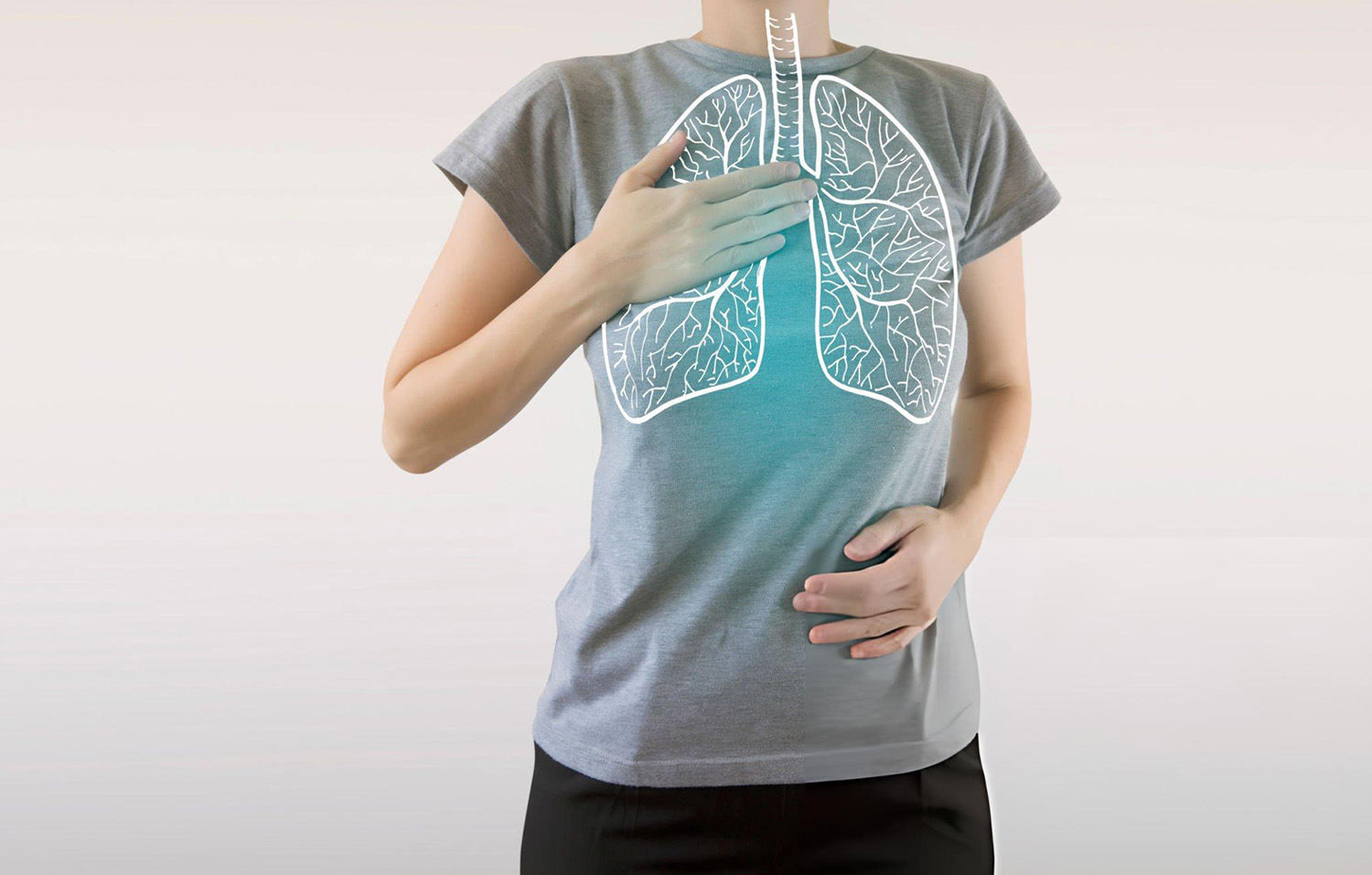
Let’s take a moment to really examine how our breath works – and how we can improve it. When you take a deep breath, your diaphragm, muscles and lungs work in harmony to draw in oxygen. When you exhale, you expel carbon dioxide. You’ve probably noticed that taking deeper breaths has a different effect on your body than taking short, shallow breaths. You may also notice that stress tends to make your breathing more shallow and that taking deep breaths can be relaxing.

Involve The Whole Lung

Deeper breaths require greater involvement from more parts of your lungs. That means that the lower sections (where mucus can tend to collect) are activated and mucus is dislodged. Deep breathing has shown to be an effective way to support good lung function for patients with asthma and other respiratory disorders.

Diaphragmatic Breathing

What exactly does deep breathing mean? Try paying attention to the role your diaphragm plays as you inhale and exhale. It might help if you place a hand on your rib cage or at the top of your belly.  You should feel your diaphragm rise as you inhale, and lower as you exhale. That simple awareness can help you to consciously expand your lungs.

Maintaining good posture with a straight spine will also help you do this – you want to give your ribs space to expand. As well, count slowly with each breath. It should take just as long to exhale as it does to inhale. 

As an added bonus, this breathing exercise can help you to relax – and we all need more of that right now. Deep breathing can lower the production of stress hormones such as cortisol.

2. Exercise

Moving your body requires effort, oxygen and therefore deeper breaths, which can improve your lung capacity as well as supporting your physical health. Do whatever exercise feels good to you while, of course, ensuring that you are still practising appropriate social distancing.

Interval Training For Lung Health

Some evidence suggests that interval training can be a particularly good way to boost lung function, because alternating periods of exercise with periods of rest can help your lungs recover from the exertion as you continue to work out. As always, listen to your body.

3. Stay Hydrated

Drinking enough water can help thin the mucus in your lungs. As well, proper hydration is necessary for maintaining good health overall so it should always be a priority.

4. Breathe Through Your Nose

Protect Your Lungs From Particles

Those little hairs in your nostrils are there for a reason, they act as filters to keep the air you breathe clean, and they warm the air to minimize the shock to your lungs on a cold day. Breathing through your nose provides a buffer which helps to reduce the amount of extra “cleaning” work your lungs need to carry out.

5. Laugh More

Yes, it seems simple, but laughing truly is a great exercise to work the abdominal muscles, increase lung capacity and oxygenate the blood. And let’s face it…comedy moments are the best exercise ever!

6. Clean Cleaning

You’ve heard it before, but it’s worth repeating. If you’re not sure which products you should be using to clean your home, focus on not adding toxins into your environment but rather seeking out healthy cleaning supplies.

Natural Cleaning Products

Baking soda, vinegar and water have always been a tried and true cleaner, and there are plenty of more eco-friendly cleaning products available which use essential oils and natural ingredients. As much as possible, eliminate aerosol sprays and synthetic air fresheners which can be particularly irritating to the lungs.

7. Fresh Air Indoors

As the weather warms up, remember to open up your windows and let the fresh air in. If you live in an area that is busy with traffic, try waiting until night time to freshen up your house. Indoor air filters are another way to ensure the air quality in your home is optimal.

8. If You Smoke, Stop

Having healthy lung function is always important, but now more than ever we need to make sure our lungs and lung capacity are working at peak levels. Research shows that your lung function can start to improve as early as 2 weeks after quitting smoking.

We are living with a lot of uncertainty right now. Taking proactive steps to optimize your health is important and there are many things you can do to help improve your body’s resilience.

Wellness is achieved when the body is able to protect itself against imbalances, breakdowns, and foreign invaders. The human body has evolved powerful defense systems that help it to maintain optimal physical, mental and emotional states. Our lifestyle, past and current health issues as well as our ability to manage stress and trauma all play a role in our state of health.

Supporting our body’s innate ability to heal is not a short term solution to a problem but rather a daily plan to stay strong and resilient.

If you are looking for help to get your health optimized and work towards your unique version of resilience and wellbeing, give us a call. 415-590-2899.  We are here to help you!

References

Breathing study on adults with asthma:

https://www.ncbi.nlm.nih.gov/pubmed/32212422

Diaphragm breathing and stress: https://www.ncbi.nlm.nih.gov/pmc/articles/PMC5455070/

Benefits of deep breathing exercises: https://www.ncbi.nlm.nih.gov/pubmed/24937500

Hydration and pulmonary problems: https://pubmed.ncbi.nlm.nih.gov/14681718/

Exercise and coronavirus: https://www.sciencedaily.com/releases/2020/03/200331162314.htm

Smoking and COVID-19. https://www.livescience.com/coronavirus-covid-19-risk-and-smoking.html

Effects of quitting smoking

https://www.cancer.org/healthy/stay-away-from-tobacco/benefits-of-quitting-smoking-over-time.html

Is your Brain Aging Faster than you?

The adult brain loses an average of 85,000 neurons a day! When we are younger our brains are more active and are able to grow new neurons and make new connections.  These connections help with memory, learning, mood, and sleep.  However, as we age our ability to grow new neurons and connections decrease. This leads to lower activity and decreased brain function. This in addition to a lifetime of toxin exposure, poor diet, high stress, and lack of sleep significantly increase brain aging.

The good news is that if you supply your brain with the right nutrients and activity it can again grow new connections and restore optimal function.  In this way, Brain aging is optional.  If you provide it with the right building blocks and refrain from doing things that directly damage neurons your brain can stay young and healthy for a long time.

Brain Reserve

Not everyone’s brain ages the same way.  Some people can handle a huge amount of brain insults before seeing any changes in cognition, whereas others can notice significant changes in brain function with very little insult.   This phenomenon is due to Brain Reserve.

Brain reserve refers to the ability to tolerate the age-related changes and the disease-related pathology in the brain without developing clear clinical symptoms or signs.  A brain with a large reserve can handle more stress.  The more brain reserve you have the more resilient your brain is to toxicity, stress, lack of sleep, etc. and therefore can handle the aging process without developing symptoms of memory loss, anxiety, depression, and loss of cognition.

We’re all born with a set brain reserve that was established in utero. That amount of brain reserve could be more or less depending on the lifestyle habits of your parents while you were in utero. Smoking or being exposed to 2nd hand smoke, alcohol, chronic stress, infections, low nutrient diet can all deplete brain reserve.  If your parents ate well, didn’t have smoke exposure, and were not too stressed there would be an increase in brain reserve.   This depleting or boosting of brain reserve happens throughout the rest of your life depending on your lifestyle, activity, and diet.  Chronic stress, smoking, drugs, sleep deficiency, poor diet, experiencing trauma, both physical and mental, concussions, and other head injuries will all deplete brain reserve. 

This depletion of brain reserve can lead to faster brain aging and more age-related cognitive symptoms because you don’t have as much as a cushion to absorb the stress.

So the key to slow down the aging brain is to boost brain reserve.  

So how do you do that?

  1. Give your brain the support it needs to heal
  2. Take away the things that hurt the brain

Some great first steps to help your brain boost it’s reserve include:

  1.  Sleep, sleep sleep.  You need a minimum of 8hrs of good sleep every night.
  2. Eat brain supporting foods – Mediterranean diet is a great option.
  3. Avoid all foods with added sugar – if there is sugar on the ingredient label leave it on the shelf.
  4. Reduce stress and promote relaxation – there are a few great apps and devices out there that help.   Also establish a set routine
  5. Give yourself time away from food – our brains love intermittent fasting
  6. There are some specific supplements that can help with brain function and repairing neurons and their connections.  Please reach out if you are interested in these and we can find the best ones for you.

Your everyday lifestyle is either boosting or depleting your brain’s reserve and thus is either accelerating or decelerating the aging process.  This means that you have a lot of influence on how fast your brain ages and that you yourself have the power to stop it with certain habit changes. 

Alzheimer’s disease is thought to begin 20 years or more before symptoms arise with changes in the brain that are unnoticeable to the person affected. Only after years of brain changes do individuals experience noticeable symptoms such as memory loss and language problems.  This means you have the time to make simple changes to promote brain health, boost it’s reserve, and reduce your risk of cognitive decline.

We’re in the process of putting together a Brain Kit with all the essentials to help you boost brain reserve and promote optimal brain health.  It includes meal plans, brain essential supplements and the latest technology in brain activation. The awesome thing about the kit is  that you can do at home! No appointments necessary! We’ll keep you posted… 

References:

https://faculty.washington.edu/chudler/facts.html
https://www.ncbi.nlm.nih.gov/pmc/articles/PMC3507991
https://europepmc.org/article/med/9307589
https://radianthealthsf.com/wp-content/uploads/2020/06/cogreserveinaging-1.pdf
https://radianthealthsf.com/wp-content/uploads/2020/06/alzheimers-facts-and-figures-2.pdf
https://www.alz.org/aaic/releases_2019/AAIC19-Wed-release-NewResearch.asp
https://jamanetwork.com/journals/jama/article-abstract/2738355

Top Tips To Support Your Adrenals

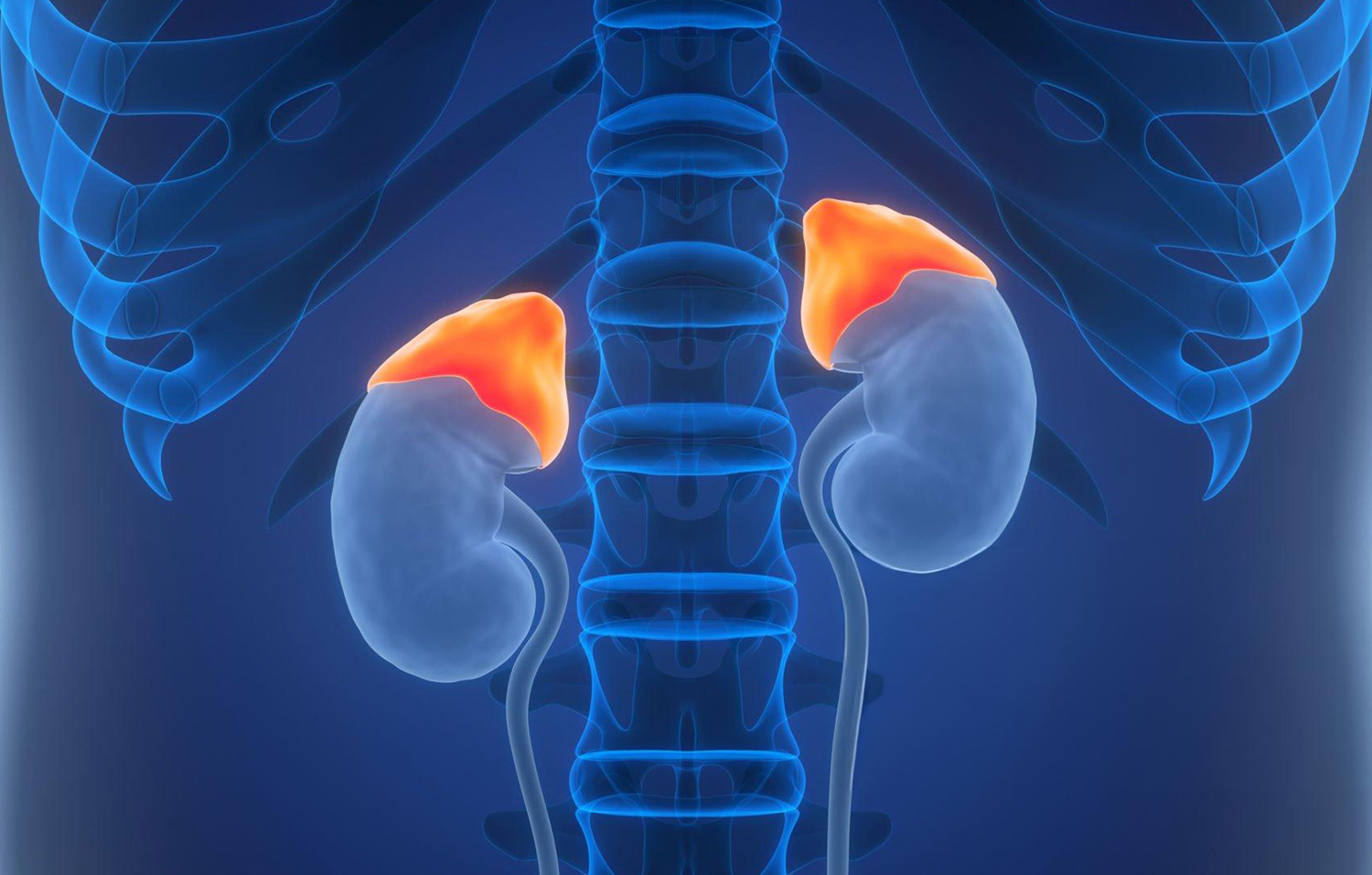
Carving out a home workspace and becoming a home-school teacher overnight – pandemic pivoting is tough. If you feel unsettled and exhausted, you’re not alone. But what if you were already feeling tired, stressed and overwhelmed before? Could your adrenal glands be part of the problem? While there is some debate about the term ‘adrenal fatigue’, we can all agree that stress levels are at an all-time high. People are burning out.  And the adrenal glands are major players in the stress response.

Symptoms of Adrenal Overload

Does this sound familiar?

You wake up tired. Even after a full 8 hours of sleep.

You can’t concentrate at work and rely on coffee and sugary treats to get through the day.

You can’t relax with your family in the evenings, feeling irritable, anxious and stressed.

You have trouble getting to sleep, and often wake up sweating during the night.

Wash, rinse, repeat. Whether we call it adrenal fatigue, adrenal dysregulation, cortisol deficiency or increased allostatic load, what do labels matter when your life looks like this?

Let’s get to know your adrenal glands – what’s actually happening during adrenal fatigue and what can you do about it?

Our Bodies are Old School

What’s the key to understanding where our adrenals fit into the stress response? Evolution.

Our bodies are old-school, designed for a world that no longer exists. Back in the prehistoric day, humans were very vulnerable to predators. When we saw a sabre-toothed tiger coming our way, we had to be ready to either fight it off or run away. Immediately. This ‘fight or flight’ response is literally designed to save our lives.

These days there may be fewer predators to run from, but we feel more threatened than ever. And because evolution hasn’t caught up to our modern lifestyle, our body treats physical and ‘emotional’ threats equally. In other words, the same stress response is initiated whether you’re running from a tiger or reading an unpleasant email.

The Adrenal Glands in Action

So, what actually happens in your body when a stressor hits, and how do your adrenal glands respond?

Let’s say you have a big work project due next week, and all is going well. Suddenly an email comes in from your boss – your deadline just got moved up. You now have 3 days to finish a project you thought you had 7 days to complete. Even before you finish reading the email you notice:

Your heart is pounding

Your breathing speeds up

Your muscles are tense

The HPA Axis: What Happens in the Body When Stress Hits

How did this happen in mere seconds? Let’s look at that scenario again.

Within seconds of opening the email, your brain identified it as a threat and sent the ‘get ready to fight or flee’ instructions to the hypothalamus gland.

The hypothalamus sent the super urgent messages directly to the adrenal glands – that’s why you became a heart-pounding anxious mess in seconds.

The hypothalamus also sent less urgent messages to the pituitary gland, which in turn relayed it to the adrenals glands.

These three glands form a stress-response team you may have heard of: the hypothalamic pituitary adrenal (HPA) axis.

The Role Of The Adrenals

What messages did the adrenal glands receive?

  • Produce hormones (adrenaline, noradrenaline and cortisol amongst others)
  • Release them into the bloodstream to get to the muscles and organs that can take action.

The Body’s Response to Adrenal Hormones

And what actions do these target muscles and organs take when they get their hormonal instructions from the adrenals?

  • Increase heart rate, blood pressure and blood sugar
  • Dilate pupils
  • Expand lung airways
  • Redirect blood to the heart, limbs and organs

Makes sense, right? This lightning fast process gives us the immediate energy, oxygen and blood flow needed to fight or flee, and more peripheral vision to see threats.

We Are Over-Taxing The System

Here’s the thing: this system is built for infrequent, physical emergencies. Now we mostly use it for  frequent, emotional emergencies. Or put another way: stress. What happens when stress is the rule rather than the exception and your adrenals are working overtime?

What Goes Up Must Come Down

When we keep asking the adrenals to produce and secrete their hormones repeatedly over long periods of time, the result is predictable: things start to break down. If we feel threatened or unsafe more often than not, the system that was designed to help us starts working against us.

Does Modern Stress Ever Go Away?

Herein lies the modern day problem: when does the threat pass? Or does it pass? Many of us are living under nearly constant low-grade stress. The signs your body is looking for to dial things back may never truly arrive, so the adrenals are working much more than they were designed to.

This leads to exhaustion, weight gain, brain fog, digestive issues, low sex drive and a suite of other unpleasant adrenal fatigue symptoms. 

Time To Step Out Of Fight Or Flight Mode

So what can you do to help your body get out of the flight or fight cycle and get back on track?

Find Your Threat Triggers

The best way to help your adrenals help you, is to figure out what you’re threatened by. This is a deceptively simple question, but an important one. We may think that we’re only threatened by truly life or death situations, but our physical reality says something quite different.

Keep a Stress Diary

Try this simple practice: observe yourself for a week to see when you exhibit the immediate stress response and note these incidents in your journal (or the Notes app on your phone). 

Because this complex response happens before you even think about it, it’s a very accurate indicator of what stresses you out. Do you get stressed when talking finances with your significant other? Getting a snarky email from a colleague? Talking to your child’s teacher?

It may not be an action –  it’s just as likely to be a fearful thought. How many fearful thoughts do you have in a day? An hour? While reading this article?

Learn What Triggers You & Dial It Back

When you really watch yourself, you may be shocked to see just how many times a day you’re unknowingly putting yourself into fight or flight mode. The goal is to learn which situations trigger you, identify the stress response, and learn to dial it back once you recognise its happening.

Supporting Your Adrenals With Nutrition

If stress tends to get the better of you, what you eat can help. Focus on eating a diet full of vegetables and healthy fats, and low in stimulants like sugar and caffeine.

Supplements That Support The Adrenals

Certain natural supplements may help as well, such as:

Turmeric

Curcumin, the active element in Turmeric, is well known for its anti-inflammatory properties, but has also been researched for its ability to support mood and depression.

Licorice Root

Licorice has been studied for its role in helping to regulate cortisol and improve energy levels. It’s important to note that licorice can increase blood pressure, so it should not be taken if yours is already high or you take blood pressure medication.

Vitamin D

Often taken for its role in supporting a healthy immune system, low levels of vitamin D have been linked to the overproduction of cortisol.

Rhodiola Rosea

Rhodiola is an adaptogenic herb which has been shown to lower cortisol levels when taken twice a day. Make sure that the tea, tincture or capsule you chose specifies Rosea, as other types of Rhodiola may not have the same research backing.

Get to The Root Cause

These mindfulness-based strategies can help you bring your stress response back into balance – but the reasons why you are feeling reactive may run deeper. Remember all those hormones that the adrenal glands work so hard to produce?

A naturopathic doctor specializing in hormonal balance can run the right lab tests to check your hormone levels, and work with you to create a personalized adrenal fatigue treatment plan that will move you from a habitual stress response to a more relaxed frame of mind. We can also help you understand how to support your adrenal glands with the nutrients they need to promote your body’s ability to handle stress.

Time to get calm, strong, and capable of handling whatever problems your day, or the world, brings!

References

Dunlop BW, Wong A. The hypothalamic-pituitary-adrenal axis in PTSD: Pathophysiology and treatment interventions. Prog Neuropsychopharmacol Biol Psychiatry. 2019;89:361-379.

Dmitrieva NO, Almeida DM, Dmitrieva J, et al. A day-centered approach to modeling cortisol: diurnal cortisol profiles and their associations among U.S. adults. Psychoneuroendocrinology. 2013;38(10):2354-2365.

Liao J, Brunner EJ, Kumari M. Is there an association between work stress and diurnal cortisol patterns? Findings from the Whitehall II study. PLoS One. 2013;8(12):e81020.

Heim C, Ehlert, U, Hellhammer DH. The potential role of hypocortisolism in the pathophysiology of stress-related bodily disorders. Psychoneuroendocrinology. 2000;25(1):1-35.

Buric I, Farias M, Jong J, et al. What Is the Molecular Signature of Mind-Body Interventions? A Systematic Review of Gene Expression Changes Induced by Meditation and Related Practices. Front Immunol. 2017;8:670.

Panossian A, Wikman G. Evidence-based efficacy of adaptogens in fatigue, and molecular mechanisms related to their stress-protective activity. Curr Clin Pharmacol. 2009;4(3):198-219.

Orban BO, Routh VH, Levin BE, Berlin JR. Direct effects of recurrent hypoglycaemia on adrenal catecholamine release. Diab Vasc Dis Res. 2015;12(1):2‐12. doi:10.1177/1479164114549755

https://pubmed.ncbi.nlm.nih.gov/23832433
https://pubmed.ncbi.nlm.nih.gov/21184804
https://pubmed.ncbi.nlm.nih.gov/25723858
https://pubmed.ncbi.nlm.nih.gov/19016404

Are Migraines Making You Miserable?

Migraines are more than really bad headaches. In addition to throbbing head pain, migraine symptoms include sensitivity to light and sound, nausea, vomiting, vertigo, dizziness and sudden mood changes. They can cause agonizing pain that leaves you huddled in a dark room with a cold cloth on your forehead for hours or even days.

Are you tired of unpredictable migraines derailing all your plans? Let’s take a look at what triggers migraines and key lifestyle changes and supplements that can help.

Who is at Higher Risk of Migraines?

Genetics play a big role in who gets migraines. According to research, migraine tendencies are hereditary – but your genes only speak to your risk of getting migraines. Lifestyle and environmental factors can determine which gene expressions are turned on and off.

So even if migraines run in your family, you may never typically experience one. But if you go through a period (and who doesn’t?) of high stress, bad food choices and too little sleep, a migraine may strike out of the blue.

Women Are More Likely Than Men To Get Migraines

Women are three times as likely than men to get migraines. Changes in estrogen levels are a key migraine trigger factor, so the fluctuation of a monthly cycle, the onset of menopause, or a hormonal imbalance that is difficult to predict can all lead to issues. It’s not surprising men are at much lower migraine risk.

Common Migraine Triggers and How to Avoid Them

Migraines truly demonstrate the importance of personalized medicine. What triggers a migraine for one person, has no effect on another. Individual triggers are important to identify, but it’s usually a combination of triggers that bring on a migraine. Migraine-sensitive individuals have a ‘migraine threshold’ that can be met by numerous combinations and permutations of triggers. Once that threshold is crossed, the migraine is on its way.

Let’s take a look at some key triggers- see if any of these ring a bell!

Hormonal Changes

Changes in estrogen levels are key migraine triggers. Key life events that feature estrogen such as your period, pregnancy and menopause are all times when migraines are more likely to strike.

Low Estrogen

Low estrogen levels often go hand in hand with low serotonin levels, which can further contribute to a migraine by encouraging release of calcitonin gene-related peptide (CGRP). Not to mention the wild mood swings.

Stress Related Hormone Fluctuations

Stress interplays with our hormone pathways as well, creating the imbalance that triggers the migraine. Have you noticed that you get migraines more often after a difficult day? You’re not alone!

Foods and Beverages

Migraine food triggers are as individual as people. Food Sensitivity Testing can identify your personal food triggers, so you can avoid them. Here are the biggest migraine offenders:

●      Alcohol (especially red wine), coffee

●      Processed foods

●      Gluten

●      Dairy

●      Sugar

●      Aged cheese

●      Additives like MSG, nitrates or aspartame

Sensory and Toxin Overload

Avoid situations that involve bright lights, loud sounds and exposure to chemical smells. Paint, perfume and cleaning products are the worst triggers, as they contain hormone-disrupting environmental toxins.

Check Your Personal Care Products

Avoid chemical-laden personal care products and cleaners, and opt for more natural choices. The Environmental Working Group (EWG) is a great resource for toxin-free living. Their Guide to Healthy Cleaning rates more than 2,500 cleaning products and their Skin Deep Cosmetics Database rates over 87,000 products for toxicity risk. Don’t forget about sunscreen! Their 2020 Guide to Sunscreens is now out, featuring the safest sunscreens for sports, children, and moisturizers with SPF.

Weather Changes

You may notice you get migraines when it’s very humid, or on rainy days. Barometric pressure is the most common weather trigger, but you might also be reacting to changes in humidity, temperature, wind and sun conditions.

Limit Your Migraine Triggers At Any One Time

You can’t control the weather, but you can control how many triggers you’re exposed to at the same time if you know the weather is about to change. Some weather apps include ‘migraine forecasts’. Barometric pressure can change hours or even days before we actually see a storm. So if a migraine strikes on a clear, sunny day, chances are a storm is brewing. Consider yourself an early-warning storm system!

Daily Routine Changes

Our bodies function best with a consistent food and sleep routine. Skipping lunch to finish that work project? Staying up late to do laundry? Skimping on your water intake?

Too much disruption to your ideal routine and migraines could result. Try to keep at least one routine consistent, and not change too much at a time. Add alarms to your phone to keep sleep and meals on track. Your body will thank you by not going in migraine mode!

Medications

When a migraine hits, you’ll do almost anything to make the pain stop. Pain medications are a common solution, but over time they can make your migraines appear more often, cause more pain, and last longer. The same goes for medications for other migraine symptoms like nausea and vertigo, and high blood pressure meds.

Preventing Or Reducing Migraines

Did you see any familiar triggers in this list? The tricky thing is that what triggered you last week may not trigger you this week. Here are some tips that may help you prevent your next migraine, or reduce its severity:

Keep A Migraine Diary

Keeping a migraine diary for one to three months will reveal your migraine trigger patterns. With so many potential triggers, it’s vital to know what combination of circumstances will push you over your personal migraine threshold. Apps such as Canadian Migraine Tracker, Migraine Buddy and Migraine Monitor make it easy to track your triggers. Paper diary templates are available too.

Yoga & Relaxation

As stress and migraines are closely linked, any relaxation practice like mediation, Tai Chi or breathing exercises will reduce your migraine risk. Regular yoga practice can help by reducing anxiety and upper body tension, improving circulation and promoting relaxation. A May 2020 study concluded that “Yoga as an add-on therapy in migraine is superior to medical therapy alone.”

A Nutrient Rich Diet

Which nutrients are effective for migraine treatment? Research shows that magnesium (a.k.a. the relaxation mineral) and CoQ10 supplementation can significantly decrease migraine frequency, duration and severity.

Herbal Medicine

Herbal medicine also has much to offer migraine sufferers. Feverfew and ginger are both ancient herbal migraine remedies, and modern clinical research now supports their efficacy. Ginger also makes a delicious after dinner tea to help you relax and digest!

Don’t Let Your Migraines Linger Untreated

The longer migraines disrupt your life, the more likely that additional issues like depression and anxiety, insomnia, high blood pressure, constipation and chronic pain in other areas of the body may appear.

We can look at genetic testing to see if you’re at higher migraine risk, Food Sensitivity Testing to find your food triggers, and check your hormone levels to get the full picture. Get in touch with us and let’s work together on a personalized treatment plan with nourishing nutrients that will get you out of non-functioning migraine mode, and ready to face all life’s challenges pain-free.

Migraine Resources

Migraine Canada

American Migraine Foundation

Migraine Research Foundation

Association of Migraine Disorders

Migraine Trust

References

Aggarwal M, Puri V, Puri S. Serotonin and CGRP in migraine. Ann Neurosci. 2012;19(2):88‐94. doi:10.5214/ans.0972.7531.12190210

Anttila V, Wessman M, Kallela M, Palotie A. Genetics of migraine. Handb Clin Neurol. 2018;148:493‐503. doi:10.1016/B978-0-444-64076-5.00031-4

D’Onofrio, F., Raimo, S., Spitaleri, D. et al. Usefulness of nutraceuticals in migraine prophylaxis. Neurol Sci 38, 117–120 (2017). https://doi.org/10.1007/s10072-017-2901-1

de Boer I, van den Maagdenberg AMJM, Terwindt GM. Advance in genetics of migraine. Curr Opin Neurol. 2019;32(3):413‐421. doi:10.1097/WCO.0000000000000687

Edvinsson L. Role of CGRP in Migraine. Handb Exp Pharmacol. 2019;255:121‐130. doi:10.1007/164_2018_201

Ferroni P, Barbanti P, Spila A, et al. Circulating Biomarkers in Migraine: New Opportunities for Precision Medicine. Curr Med Chem. 2019;26(34):6191‐6206.

doi:10.2174/0929867325666180622122938

Ghorbani Z, Togha M, Rafiee P, et al. Vitamin D in migraine headache: a comprehensive review on literature. Neurol Sci. 2019;40(12):2459‐2477. doi:10.1007/s10072-019-04021-z

Gormley P, Anttila V, Winsvold BS, et al. Corrigendum: Meta-analysis of 375,000 individuals identifies 38 susceptibility loci for migraine. Nat Genet. 2016;48(10):1296. doi:10.1038/ng1016-1296c

Kumar A, Bhatia R, Sharma G, et al. Effect of yoga as add-on therapy in migraine (CONTAIN): A randomized clinical trial [published online ahead of print, 2020 May 6]. Neurology. 2020;10.1212/WNL.0000000000009473. doi:10.1212/WNL.0000000000009473

Maghbooli M, Golipour F, Esfandabadi A, Yousefi M. Comparison between the efficacy of ginger and sumatriptan in the ablative treatment of the common migraine. Phytotherapy Res. 2014;28:412-415.

Mauskop A, Varughese J. Why all migraine patients should be treated with magnesium. J Neural Transm (Vienna). 2012;119(5):575‐579. doi:10.1007/s00702-012-0790-2

Nattagh-Eshtivani E, Sani MA, Dahri M, et al. The role of nutrients in the pathogenesis and treatment of migraine headaches: Review. Biomed Pharmacother. 2018;102:317‐325. doi:10.1016/j.biopha.2018.03.059

Pareek A, Suthar M, Rathore GS, Bansal V. Feverfew (Tanacetum parthenium L.): A systematic review. Pharmacogn Rev. 2011;5(9):103‐110. doi:10.4103/0973-7847.79105

Wells RE, Beuthin J, Granetzke L. Complementary and Integrative Medicine for Episodic Migraine: an Update of Evidence from the Last 3 Years. Curr Pain Headache Rep. 2019;23(2):10. Published 2019 Feb 21. doi:10.1007/s11916-019-0750-8

Zeng Z, Li Y, Lu S, Huang W, Di W. Efficacy of CoQ10 as supplementation for migraine: A meta-analysis. Acta Neurol Scand. 2019;139(3):284‐293. doi:10.1111/ane.13051

Is Your Brain Getting Enough Blood?

Blood flow is essential for life.  It transports oxygen to all of your cells and carries away toxins. Without proper blood flow our cells do not get the support they need to survive and optimally function. If blood flow is decreased to the point of causing lack of oxygenation those tissues and cells will die. We see this happen in kidney failure, heart attacks and strokes, as well as the complications from diabetes.  Blood flow is critical!

Even though our brain makes up a very small percentage of our body, 3%, it uses up to 20% of our oxygen supply. So anything that impairs our blood flow and oxygenation of blood will significantly impair our brain function, learning and memory.  Decreased blood flow to the brain can result in mood disorders, issues with memory and mental clarity and significantly increases the risk of Alzheimer’s and dementia. According to brain imaging studies, low blood flow is the number one imaging predictor of Alzheimer’s disease.

So, what are the things that reduce blood flow to the brain?

  1. Excess Alcohol consumption
    1. Alcohol decreases blood flow to the brain.
  2. High caffeine intake
    1. 3 or more cups of coffee per day decreases blood flow by constricting the blood vessels leading to the brain.
  3. Lack of activity
    1. Exercise less than 30minutes daily has been associated with decreased blood flow to the brain. Up to 90% of teenagers and adults do not get enough exercise.  This is quite possibly contributing to the increase in depression, anxiety and other mental health issues in the younger population.
  4. Smoking and Nicotine use
    1. Smoking directly constricts blood vessels in the brain.  Brain imaging scans reveal smaller and more damaged brains in smokers compared to nonsmokers.
  5. Pre-diabetes or diabetes
    1. High blood sugar damages the small blood vessels called capillaries. These damaged blood vessels are unable to optimally transport blood and oxygen to the brain.
  6. Cardiovascular disease such as high blood pressure or cholesterol
    1. These conditions are all indicators of reduced blood flow.
  7. Personal history or a heart attack or stroke, atherosclerosis or coronary artery disease
    1. This means that blood vessels are already damaged and narrowed and prone to decreased blood flow.
  8. Sleep Apnea
    1. Untreated sleep apnea results in lower blood flow and oxygenation in the brain.
  9. Thick blood
    1. Thicker blood means there is more resistance to optimal blood flow.  This reduces the oxygen delivery to the brain and also means the heart needs to work harder to get the blood up to the brain.
  10. High stress
    1. One of our main stress hormones, cortisol, causes our blood vessels to constrict.

So what can we do to encourage optimal blood flow to the brain?

  1. Reduce stress and take up 20 minutes of relaxing mediation per day.  There are some great apps and devices that help with this.
  2. Reduce alcohol and caffeine consumption
  3. Stop smoking
  4. Reduce sugar intake.  A good way to do this is to avoid all food with added sugar.  If sugar is listed on the ingredient label leave it one the shelf.
  5. Consider specific nutritional supplements to promote blood flow, healthy cholesterol and blood pressure.
  6. Get checked for sleep apnea if you do not feel rested in the morning and feel tired throughout the day.
  7. 30 minutes exercise per day.

We’re currently working on a Brain Kit that you can do at home! It will include all the essentials for a healthy, well-functioning brain. The nutrition program, supplements and latest brain technology work together to optimize blood flow to the brain. This kit combined with 30 minutes of daily exercise will help promote a better supported brain and healthier you.

7 Things You Can Do To Decrease Your Risk of Alzheimer’s

Alzheimer’s disease is expected to triple within the next 30 years. Not recognizing loved ones, getting lost on your way home and forgetting precious life moments is incredibly scary.   There is no current cure but with more and more research happening we are seeing ways to reduce our risk.  Research presented at the Alzheimer’s Association International Conference has shown that there are small changes you can implement in your daily life to decrease your risk of developing the disease.  These lifestyle changes can reduce your risk of developing Alzheimer’s and other dementias by 60%! 

What are these lifestyle changes?

  1. Eat Right for your brain

What you eat can either support or harm your brain. It’s been shown that red meat, sugar and processed foods all increase inflammation in the brain, whereas, vegetables, fruit, healthy oils, seeds and fish reduce brain inflammation and actually protect neurons from damage.  The Mediterranean diet provides a great nutritional base for a healthy brain.

  • Intermittent fasting

Allowing your body 14-16hrs per day to focus on tasks other than digestion is greatly beneficial.  During these fasting periods your body can focus on clearing out toxin build up in the brain, eliminating free radicals and carcinogens, increasing it’s growth hormone production, increasing blood flow to the brain, balancing out your blood sugar and so much more.  Intermittent fasting is important for much more than just weight loss.

  • Exercise

Exercising at least 30 minutes per day has shown to improve health across the board, including brain function.  A combination of strength training, high intensity interval training,  coordination exercise like dance, tennis and mind exercise such as yoga or tai chi is ideal for optimal brain health and activity.

  • Stop smoking (cigarettes, marijuana, e-cigarettes)

Smoking, whether it is cigarettes, marijuana or vaping all lead to increased toxins in the brain.  Not only that, they damage blood vessels and ultimately decrease essential blood flow to the brain cells.  Decreased blood flow is the number one indicator of Alzheimer’s disease on brain imaging scans.

  • Avoid excessive alcohol consumption

It has been shown over and over again that daily alcohol consumption leads to smaller brain size on imaging scans.  Social drinking every now and again is OK, but should be limited to no more than 2 alcoholic drinks per week.

  • Do simple brain exercises daily

Different types of mental exercises use different parts of our brain. It’s best to activate the different parts of the brain on a daily basis.  Our prefrontal cortex loves crossword puzzles and games where you have to plan and think ahead, such as chess.  Our cerebellum needs movement for activation so tennis, dance and ping pong are great for it.  Great activities for our temporal and parietal lobes are learning new music or dances, juggling and memory puzzles.  So try switching up your exercise and brain exercises to include all the parts of the brain.

  • Get a minimum of 8hrs of sleep per night

I can’t overemphasize the need for quality sleep when it comes to decreasing your risk of Alzheimer’s.  If you are struggling with sleep please reach out so we can help.  Maybe your sleep issues are due to a hormone decline, low melatonin or other neurotransmitter, sleep apnea and/or high stress and cortisol.  There is so much we can do to get our sleep back on track.

Changes in the brain that ultimately lead to Alzheimer’s and dementia start occurring 20 years before any symptoms start to appear.  So, the earlier you can make some of these changes the better.  Alzheimer’s and dementia are complex illnesses that are greatly influenced by other health issues.  So if we can take care of our health by eating right, exercising and getting enough sleep our heart, brain and general life will greatly benefit.

We’re in the process of putting together a brain kit to help you with all areas of brain health.  We’ve put together the right balance of supplements, nutritional guidelines and shopping lists along with the best technology to help protect our brain and promote healthy balanced brain wave activity.  We’ll keep you posted on the progress….

Is Rosacea Stopping You From Putting Your Best Face Forward?

Rosacea is a chronic skin inflammation that can make you run for cover at a time when spending time outside with friends is all you want to do. Even indoors, it’s hard to ignore your red, bumpy face when you’re staring at your own reflection on every video call!

Are you tired of rosacea running your life? Let’s discuss what causes rosacea, who is most at risk, and how you can avoid the main triggers.

What Does Rosacea Look Like?

There are four main rosacea subtypes, and each affects a different part of the face with different tell-tale symptoms. You might find your symptoms switch from one subtype to another, or experience more than one at a time.

To further complicate matters, some subtypes look a lot like acne, although the best way to treat this skin condition is almost the opposite of conventional acne treatments.

The 4 Types of Rosacea:

Erythematotelangiectatic rosacea (ETR)

This type of rosacea shows up as redness in the centre of your face. You may see broken blood vessels, experience a stinging sensation, and your skin may be swollen and sensitive.

Papulopustular rosacea

With a look similar to a typical acne breakout, Papulopustular rosacea gives you pus-filled bumps and a bonus of red, oily skin with visible broken blood vessels. Women in their late 40’s and 50’s are the most often affected by this type.

Rhinophyma rosacea

Often wrongly associated with excessive alcohol consumption, Rhinophyma rosacea primarily affects the nose. It causes the skin on your nose to become thickened and bumpy, with visible pores and broken blood vessels. This subtype usually occurs alongside at least one other subtype and affects more men than women.

Ocular rosacea

Ocular rosacea affects the eyes of up to 60% of rosacea sufferers, often going undiagnosed as  it mimics seasonal allergy symptoms (although the symptoms are experienced year-round). It irritates the eyes, making them bloodshot and watery, often accompanied by burning or stinging. If you suspect you may be suffering from ocular rosacea, it is important to visit your health practitioner to check it out, as this type can cause corneal damage if left to run rampant.

What Causes Rosacea?

Although there is no single cause of rosacea, genetics and environmental factors play a strong role among other factors.

The Role of Genetics in Rosacea

Women are more likely to get rosacea in general, while men might be less likely to have it, but the risk of rosacea symptoms being severe is higher.

Studies show that you may be four times more likely to have rosacea if it runs in your family, with genetics being a factor most often in middle-aged women of Celtic or Scandinavian ancestry, in particular if they have a personal history with acne.

Recent genetic research has identified a number of genes that affect the immune system, inflammation, protein metabolism and how stress affects the cells. However it is important to remember that your genes only indicate what you are predisposed to, and do not indicate how that predisposition will play out. Environmental factors such as pollution, stress and lifestyle all play a role in gene expression.

Immune System

Research has identified that those with rosacea are more likely to have an overactive immune system. The body’s immune system is designed to protect you from threats, but if it becomes overactive, your body will respond to its own tissues as if it were a foreign invader.

Inflammation is the body’s way of ‘smoking out’ the invaders with heat. But when inflammation gets out of hand internally, it may show up externally on your face.

The Microbiome & Rosacea

Good & Bad Bacteria

The number of microbes in our bodies outnumber our own cells 10 to 1. Most of the time the various “good” and “bad“ strains play well together, the good bacteria balancing out the bad, and forming symbiotic microbial ecosystems. But when things get out of balance, the bad bacteria can take over.

You may have heard about the microbiome in reference to the communities of bacteria in our intestinal tract, but we have a whole other microbial community on our skin as well. It is the largest organ after all, and there’s room for a thriving skin microbiome.

H. Pylori

Studies also show that the parasitic bacteria H pylori, known to cause stomach ulcers, is seen much more frequently in those with rosacea.

Demodex Skin Mites

A microscopic skin mite called demodex has also been implicated in rosacea. We all host these mites, which like to hang out on our facial skin and in our eyelashes and eyebrows. If you’ve ever wondered why your eye makeup naturally fades, these mites are the reason!

Studies show that those with rosacea have large numbers of these mites on their skin, but they are not actually to blame. The real culprits are the bacteria they carry (bacillus oleronius).

Top 5 Rosacea Triggers and How To Avoid Them

You may find that you remain free of rosacea symptoms for long periods of time, only to have them flare up suddenly. Something is triggering the reaction – but what?

Each person’s rosacea triggers are different, but let’s take a closer look at the most common ones.

1 – Foods and Beverages

Fried and spicy foods, drinks that contain alcohol or caffeine, hot soups and drinks, and foods that contain cinnamaldehyde (like cinnamon, citrus fruit, chocolate and tomatoes) are all high on the list of foods to avoid if you have rosacea.

Pass on the hot sauce, and instead sprinkle some fresh herbs or lemon juice on your meal to punch up the flavour. Try iced decaf versions of your favourite teas and coffees – lavender and mint make calming and delicious iced teas for example!

2 – Sun and Weather Conditions

Do you get rosacea flare-ups in the summer? Basking in the sun may be relaxing, but the sun is a known rosacea trigger.

Sun

Avoid direct sunlight on your face during the hottest parts of the afternoon, and when you do venture out into the sunshine, wear a broad-brimmed hat for extra protection.

Sunscreen

Sunscreen with a 30 SPF or higher is a great way to protect your face from strong summer rays. But did you know that the wrong sunscreen can make your rosacea worse? Opt for water-based, fragrance-free sunscreens that won’t irritate your sensitive skin.

The Environmental Working Group’s 2020 Guide to Sunscreens is a great resource to find a safe, effective sunscreen, and other facial products that contain SPF.

Heat & Extreme Weather

Heat is an important trigger, but it’s really about avoiding all extreme weather conditions. Very cold or windy weather can also aggravate rosacea. Reduce the impact by wearing light-coloured, breathable clothing in hot summer months. Don’t forget a cardigan for those sudden temperature drops when you enter arctic a/c conditions!

3 – Exercise

If you’ve ever had a rosacea flare-up after an intense cardio workout, you’re not alone. If you’re a runner, it’s important to keep your runs to the early mornings or evenings when the weather is cooler. Or change up your routine and try slower, more gentle exercise such as walking or yoga. Skip the Hot Yoga if you have rosacea as heat is an aggravating factor.

4 – Stress

How was your day going the last time you had a flare-up? How about the last five times? Stress is the most common rosacea trigger and you may find that flare-ups are closely linked to those tough days.

Stress-Busting Supplements

Taking supplements such as Vitamin B Complex and Magnesium can soothe your nervous system and help your body to handle stress a little better.

 Self-Care

If you know a stressful period is coming up (like a looming project deadline), take extra self-care measures to side-step them and avoid flare-ups. Practice good sleep hygiene by going to bed at the same time every night, and avoiding screens an hour before bed. Stay hydrated and make time daily for activities that bring you joy.

5 – Environmental Toxins & Chemicals

Rosacea is all about inflammation, both inside and out. Exposure to toxins and environmental chemicals increases inflammatory markers in the body, potentially leading to chronic inflammation concerns, such as rosacea.

Major sources of environmental toxins include pesticides in produce, preservatives and other chemicals in personal care products (like makeup, nail polish and perfume) as well as those in household cleaning products.

Read the Ingredients

Look at the ingredient lists – how many of your products contain chemical names so long that even a spelling bee champ would be stumped? Check out the Environmental Working Group’s extensive list of Consumer Guides to find chemical-free home and body care products that are good for you, and the environment.

Keeping Track of Your Rosacea Triggers Can Help Manage Symptoms

Confirm your personal rosacea triggers by tracking what’s going on when you experience flare-ups. Do flare-ups occur when you eat certain foods? Experience certain stressors? A combination? A Rosacea Diary can reveal your trigger patterns, and help you take action to avoid them.

Rosacea and Self-Esteem

As unpleasant as a red face may be, the psychological impact of rosacea is harder still. It’s a condition that you literally carry on your face. Many rosacea sufferers fear that people may suspect an alcohol problem or poor hygiene, even though these are not the cause.

The results of a National Rosacea Society survey demonstrates how profoundly rosacea impacts quality of life. 90 percent of rosacea patients reported low self-esteem, while 52 percent avoided face-to-face contact out of embarrassment. Another survey showed that an astonishing 51 percent of patients with severe rosacea symptoms had missed days at work because of their condition.

What Can You Do To Reduce Rosacea Symptoms?

2 Supplements Can Help Reduce Rosacea Symptoms

What nutrients can you take to reduce your rosacea flare-ups?

1 – Zinc

Research shows that taking a zinc supplement regularly can reduce rosacea symptoms by up to 75%, likely by providing immune system support.

2 – Probiotics

Probiotic supplementation also shows great promise, by rebalancing our microbiome so that potentially damaging bacterial strains are kept in check by the good microbes.

Facial Skincare For Rosacea

Proper facial care is vital. Studies indicate that washing your face morning and evening with an alcohol-free cleanser and using an oil-free moisturizer will improve your facial appearance.  However you need to monitor your skin’s needs and respond accordingly. If your skin is dry and irritated, washing it less often can help. If your skin is oily, less moisturizing may be useful.

Are you ready to get to the root of your rosacea? We can help identify your triggers with Food Sensitivity Testing, check the status of your immune system, test your toxin levels and see what’s going on with your microbiome.

Get in touch and let’s get to work on creating a personalized treatment plan with key nutrients that will have you putting your best face forward.

The Heart Disease Gender Gap

What does someone with heart disease look like? A stressed out CEO? A smoker over 50? Whatever image came to your mind, chances are it was of a male. We think of heart disease as a male problem, but did you know that more women die of heart disease than men? It’s now the leading cause of female deaths worldwide. Yet up until recently, two-thirds of all heart health research has focussed exclusively on men. What’s wrong with this picture?

If you’re a woman at risk of cardiovascular disease (CVD) there is good news – researchers are now stepping up to close the gender gap and prioritize female-based cardiac research. Let’s see what the latest research is saying about female-specific heart disease factors and how you can reduce your risk.

What the Gender Gap Means for Women’s Heart Health

Women’s Bodies Are Different

We may think of women’s ‘hearts’ as different than men when it comes to relationships, but what about literally? It turns out that women’s hearts and arteries tend to be physically smaller than men’s. Plaque build-up in our arteries is a key factor in all heart disease, and smaller arteries mean they can get clogged faster in women.

Different Plaque Deposits

It’s not just anatomical differences – the way that arterial plaques and injuries show up in women can be very different from men, delaying a heart disease diagnosis, or even misdiagnosing it. This may be why more women die from heart attacks than men, and why women are more likely to have second heart attacks.

Dismissive Diagnosis

Heart attack symptoms often look different in women. For example, the sharp chest pains of angina precede a heart attack in everyone, but women may have additional symptoms such as extreme fatigue, trouble breathing, and pain across the stomach and upper back. Not recognizing these red flags can also lead to a dangerously delayed or incorrect diagnosis

The research tells a troubling story. When female patients report stress alongside recognized heart disease symptoms, they are significantly more likely than men to be given an anxiety diagnosis. Even when the same heart-related symptoms were reported.

Less Risk Factor Screening

But it doesn’t end there. After receiving a heart disease diagnosis, women are not screened as often as men for depression. Research shows that depression is a key heart disease risk factor, and strikes almost twice as many female heart disease sufferers than men. This crucial gap can increase womens’ risk for subsequent fatal heart attacks, and slow down recovery.

Different Hearts, Different Diseases

The term ‘heart disease’ or ‘cardiovascular disease’ goes way beyond heart attacks, and includes a host of different issues affecting the heart, blood vessels and arteries. Not surprisingly, some heart conditions affect more women than men. For example, 90% of all

Spontaneous Coronary Artery Dissection (SCAD) patients are women, and it accounts for 25% of all heart attacks in women under the age of 60.

What happens when your health care practitioner is only looking for the heart diseases that mainly affect men? You guessed it – potential late or incorrect diagnosis for female patients.

What Special Risks Factor Do Women Have?

Many heart disease risk factors are the same for men and women – it’s the strength of the risk that matters.

Obesity & Smoking

Of the many shared factors, obesity and smoking are the ones that most often impact women more than men. In one study, obesity increased the risk of heart disease by 64% in women, compared to 46% in men. In another study, female smokers had a 25% higher risk of heart disease when compared with men.

Breast Cancer Treatment

Women receiving radiation for breast cancer are particularly vulnerable, with studies showing higher rates of fatal heart disease.

Inflammation

Chronic inflammation is a factor too. Recent research shows that women who have inflammation-related health conditions are a higher risk of heart disease.

Hormones, in Particular Estrogen

Hormones also come into play. We think of estrogen as the quintessential ‘female’ hormone that affects our periods, pregnancy, and menopause. But did you know that there is a key link between estrogen and female heart disease risk?

Menopause

Research shows that heart disease risk for women increases significantly after menopause. It is thought that higher estrogen levels pre-menopause provide a protective heart effect. Studies show that cholesterol levels tend to increase after menopause. Remember those small female arteries that can clog faster than men? More cholesterol means more heart disease risk.

How You can Reduce Your Heart Disease Risk

In addition to quitting smoking and reducing stress, weight management is the most effective way for women to reduce heart disease risk. Excess weight is hard on the heart, and is a stronger heart disease risk factor for women than men. Let’s look at a few easy ways to get on the path to heart health:

Get Moving

Current medical guidelines suggest that women should engage in a minimum of 2.5 to 3 hours per week of vigorous physical exercise. If that sounds like a lot, try breaking it up into exercise bites of 10 – 15 minutes each.  Take a walk during work breaks, take the stairs instead of the elevator, or have a personal dance party!

Eat More Plants

You don’t have to become a vegetarian or vegan to welcome more plant foods into your life. The key is to make it enjoyable by choosing fruits and veggies that you like, and get lots of variety. Think of veggies as the main course instead of the side dish – aim to have at least 60% of your lunch and dinner plates covered with veggies.  Summer is a great time to get gorgeous local produce. See what’s in season and don’t be afraid to try something new!

Eat Good Fats

When your body craves fat, it’s not asking for more chips. It really wants ‘good fats’ like those found in salmon, eggs and walnuts. But if you don’t have these foods often, they’re not on your body’s radar. Try adding these foods to your diet, and see if you notice a change in your fat cravings. Once your body gets to know these nutrient-dense foods it will request them more often!

Nutrients to Support Good Heart Health

Essential Fatty Acids

These ‘good fats’ are called Essential Fatty Acids (EFAs), and have been shown to significantly reduce the risk of developing heart disease. This supplement is especially important for women, as EFAs also balance hormones.

Ever wonder what’s so ‘essential’ about them? Our bodies can’t make them on our own, so we need to eat EFA-rich foods, or supplement with high-quality oils.

Selenium

Studies show that low selenium levels are strongly linked to heart disease risk. Selenium is one of the most effective antioxidant supplements, protecting your heart, blood vessels and arteries from damaging free radicals. Brazil nuts are by far the best food source of selenium, with a handful providing a thousand percent of the recommended daily minimum!

It’s time to prioritize your heart health.

As Naturopathic doctors we treat the patient, not the disease. Get in touch and let’s discuss your health history and risk factors, run some targeted labs for a clear picture of what’s happening inside your body and design a personalized treatment plan. Women lead with the heart, make sure yours stays healthy.

This is Your Microbiome on Sugar

Are your sugar cravings impossible to ignore? Is bloating, gas, and foggy thinking part of your every day? If so, your “bad” bacteria may be calling the shots!

The field of microbiome research has exploded recently. Every day new studies are revealing how the various colonies of gut bacteria and yeasts influence every major system and process in the body, and a sweet tooth may be part of that picture.

Research tells us that a diet high in sugar changes the makeup of the microbiome, helping bad bacteria thrive, suppressing good bacteria, and creating an imbalance that wreaks havoc on your digestive system.

Why is Sugar Bad for Your Microbiome?

With trillions of bacteria and yeasts representing hundreds of species in our gut, this microbial community is more influential than we think. Like any diverse community, there are great differences between members. Different species like different foods, have different jobs and perhaps view life differently.

A Balanced Microbiome

In a healthy, balanced microbiome the various strains of yeasts and bacteria can co-exist happily. But unhealthy microbes, which often feed on sugar, can quickly overwhelm the friendly strains in your gut. Just as a pregnant woman is ‘eating for two’, every day we are ‘eating for trillions’. When sugar supplies in your gut are running low these bad strains send signals for you to ‘crave’ something sweet.

Candida & Cravings

Ask anyone who has experienced an overgrowth of Candida yeast in their gut, and they will tell you that the sugar cravings are powerful and sneaky. They can influence your thoughts and decision-making strategies, manipulating you into eating sugar.

The Worst Dietary Sugars For Your Gut

Many healthy whole foods, especially fruit, are high in natural sugars and can exacerbate an imbalance, but the most damaging sugar is sucrose – plain old table sugar. Sucrose is a combination of fructose and glucose, and research shows that this combination changes the microbiome the most.

4 Ways an Unbalanced Microbiome can Affect Your Health

1 – Leaky Gut Syndrome

If left untreated, an overgrowth of unfriendly microbes can irritate the intestinal wall until it starts to break down, with yeasts such as candida taking the opportunity to bore holes in the soft mucosal lining – this is known as Leaky Gut Syndrome. Entire protein molecules, bacteria and food particles may escape from the intestinal tract directly into the bloodstream, undigested.

Once in the blood, these undigested molecules are sometimes seen as foreign invaders, causing what should be a normal, healthy inflammatory response to go out of control, potentially leading to a host of issues from sensitivities to allergies and even autoimmune conditions.

2 – Autoimmune Conditions

When your immune system is working overtime and inflammation becomes chronic throughout your body, the stage is set for autoimmunity. Many studies have shown that increased sugar consumption increases the risk of developing autoimmune diseases, as well as increasing flare-ups of existing issues such as IBS (irritable bowel syndrome), Crohn’s disease and fibromyalgia.

3 – Food Sensitivities

Food sensitivities are often considered early evidence of potential autoimmune issues. Remember that overactive immune system? If it identifies food as a foreign invader, it won’t just try to fight it off. It will ‘remember’ the food and create antibodies against it. Next time you have this food your body will put its defense system into action, and you may experience bloating, gas, abdominal pain, rashes, and other symptoms. Before you know it, you could develop sensitivities to foods you’ve been eating all your life.

4 – Depression & Low Mood

Recent studies show that depressed individuals have a less diverse microbiome with fewer species of bacteria. Some bacterial species found in healthy individuals can be missing entirely, while other bad bacteria is found in much higher numbers.

Did you know that gut bacteria make many of the neurotransmitters that affect mood? The majority of our natural supplies of GABA (gamma-amino butyrate), norepinephrine, serotonin and dopamine are made in the gut – this is why the gut is often referred to as the “second brain”. When those good bacteria aren’t functioning well, or have been wiped out altogether it can have a significant effect on moods and feelings of depression.

How to Bring a Sugar-Influenced Microbiome Back into Balance

As socially acceptable as it may be, sugar is both a microbiome-damaging toxin and an addictive drug. Here’s what you can do to release yourself from sugar’s grip and bring back balance:

Fight Back Against Sugar Cravings

Say No to Your Little Friends

When a strong sugar craving hits, trying to ignore it will only get you so far. Take a few deep breaths, and ask yourself: is this my craving? Or are the bad microbes manipulating me to get their own sugar fix? When you reduce your sugar intake, these microbes go into starvation mode and up the ante. Your sugar cravings become more powerful, and you may find you’re ‘talking yourself into’ getting that

chocolate bar or pastry. Realizing that the microbes are only using you to be fed is a good first step is regaining control over your eating habits.

Identify Sugar Triggers

Perhaps you crave sugar under specific circumstances. Think about the last time you had a sugary treat. Were you feeling stressed? Fatigued? Depressed? Anxious? Knowing your own sugar triggers will help you ride out that craving when it arrives. Bringing conscious attention to your cravings is a powerful way to lessen their power over you.

Feed Your Healthy Gut Bacteria

The best rule of thumb is to eat more real food, and incorporate more plants into your diet. Prebiotics from plants are what our microbiome was built to eat!

Prebiotics

Unlike probiotics, which are themselves beneficial microbial community members, prebiotics are complex carbohydrates that these microbes love to eat. In fact, the reason that many foods are ‘good for us’ is actually because they’re good for beneficial microbes. A well-fed microbe is a happy, active microbe that will keep the bad bacteria at bay and your microbiome healthy and thriving.

The Best Prebiotic Foods

  • Chicory
  • Jerusalem artichokes
  • Dandelion greens
  • Asparagus
  • Garlic
  • Onions
  • Bone broth

Add Probiotic Foods To Your Diet

When your microbiome is unbalanced, adding more healthy bacteria can help to temporarily crowd out the bad bacteria, giving your friendly strains a chance to thrive. The easiest way to do this is regularly eating fermented foods which are rich in a variety of strains of soothing, helpful bacteria.

It’s important to note that prebiotics cause bloating and irritation in some individuals, especially if you suffer from SIBO or IBS. If you increase your veggie intake and the bloating continues to make your life a misery, be sure to contact your health practitioner for testing and the right support.

The Best Probiotic Foods

  • Kefir
  • Yoghurt (read the label to ensure it contains good bacteria as not all do)
  • Sauerkraut
  • Kimchi
  • Miso
  • Kombucha
  • Lacto-Fermented Pickles (Not those made with vinegar)

Starve the Bad Bacteria

While increasing the foods that help feed and nurture the good bacteria and yeasts in your microbiome is important, reducing the foods that feed bad bacteria is just as much a part of the big picture. Removing hidden and not-so-hidden sources of sugar can pave the road to success when it comes to easing your digestive troubles.

Foods to Avoid to Starve Bad Bacteria

  • Processed and packaged foods
  • Sugary treats (especially those containing sucrose)
  • Alcohol
  • High sugar fruits like mangoes, grapes, figs, watermelon and pears

Eat Mindfully

Eating isn’t the best time to multitask. If you’re watching TV or scrolling through your social media feed during meals, research shows that you’re likely to be eating faster, chewing less and eating more food that you would otherwise.

At your next meal, try putting the phone away and keeping the TV off. Consciously chew every bite thoroughly before swallowing, and really taste the flavours. Not only will this result in better digestion, you will naturally eat less and enjoy your meal more. And don’t miss out on one of the great joys of life – catching up with friends and family over a good meal.

Reduce Mealtime Stress

If stress has you in frequent “fight or flight” mode at mealtime, you won’t digest your food very well. In this mode your body’s resources are focussed on either fighting an attacker or running away from them.

Resources are actively removed from digestive function to focus on these tasks. So if you sit down to dinner feeling stressed about something you read in the news or a work assignment that’s due tomorrow, you won’t be able to extract or absorb many nutrients from your meal. The opposite of the fight or flight mode (‘rest and digest’ mode) is the goal. Before you sit down to any meal, try some deep breathing to calm you down.

Are you ready to take control back from those bossy bad bacteria, reduce bloating and feel energized by the food you eat?

Let’s work together to kick the sugar habit for good! If you want to delve deeper and find out what’s really going on in your microbial community, we can run a range of tests from stool analysis to food sensitivity, leaky gut and more and guide you through a healing plan that’s uniquely tailored to you.

Dreaming of A More Restful Sleep?

Tossing and turning? Watching the hours crawl by? Even one night of poor sleep can make you an exhausted, irritable, sugar-craving beast the next day. We all have the odd sleepless night, but if sleep loss goes on long enough more serious problems like hormone imbalance, immune dysfunction and weight gain can result.

Let’s look at the latest research to see what’s going on when you’re asleep, the relationship between sleep loss and other health conditions, and how you can increase your dose of healing ZZZs.

Why Your Body Needs to Sleep

Imagine a city at night. Offices are being cleaned, roadways and transit lines are being repaired, garbage and recycling is being picked up…

If these activities took place during the day, they would get in the way. Office workers couldn’t work effectively, traffic would become gridlocked. When morning comes, the city has been cleaned and repaired, and is ready for another full day of operations.

Nighttime Functions

It’s the same with your body. It’s vital to your daytime functioning that your body has a chance to perform these functions every night:

  • Repair damage to muscles, organs, and DNA
  • Hormone production and release
  • Process toxins for removal
  • Process the day’s events emotionally
  • Store long-term emotional and immune memories

The Physical Toll of Not Sleeping Well

What happens if these functions aren’t carried out properly and regularly? Cellular repairs fall behind, hormones fall out of balance, toxins build up, emotions aren’t processed, and long-term immune memories aren’t stored for the future.

A Vicious Cycle: Sleep Loss Worsens Existing Health Conditions

We’ve all experienced the 2-way relationship between poor sleep and stress. Up all night stressing about a work project? The next day you’ll feel even more stressed about it, leading you into a cycle of stress and poor sleep. And the negative effects go deeper if you already suffer from an imbalance in your health.

Sleep Loss Affects Immune Health

Sleep loss can impact your immune system’s lines of defence, the various stages of immune response that are designed to protect the body from infection and disease.

Research points to sleep loss having the strongest impact on targeted antibody resistance. The immune system’s learning and remembering only happen while you sleep. If you’re not getting good quality sleep on a regular basis, your immune system won’t be able to produce the antibodies. This means you could be more

susceptible if that pathogen visits you again in the future. Several studies show that sleep loss increases the risk of an infection taking hold.

Sleep Loss Affects Menopause

Studies show that almost 70% of women in perimenopause and menopause regularly experience sleep loss. Why is that?

Waking up restless and dripping with sweat in the middle of night doesn’t make for a good night’s sleep. And the less sleep you get, the worse the menopause-induced night sweats may get.

Research also shows that the increased anxiety and depression that often accompanies menopause contributes significantly to many aspects of poor sleep including waking up often during the night, less time spent asleep and waking due to troubling dreams.

Sleep Loss Affects Inflammation

Research shows that too little sleep, or a lack of quality sleep, results in increased levels of inflammatory markers and signs of cellular aging. Poor quality sleep can trigger low-grade, chronic inflammation that is characteristic of a wide range of diseases such as heart disease, metabolism disorders, chronic pain, some cancers and neurodegenerative diseases.

Sleep Loss Affects Excess Weight

Have you ever noticed looking slimmer after a period of regularly getting proper sleep? It seems too good to be true – lose weight by spending more time being sedentary? There are several reasons for this phenomenon.

Did you know that fat stores toxins? When your body is having trouble getting dangerous toxins out of your system, it does the next best thing it can to protect our cells: it imprisons them in fat so the toxins can’t damage the rest of your cells.

Also, many hormones are produced and distributed through the body during sleep.

Those strong sugar and carb cravings after a night of tossing and turning might come down to your sleep quality. When these hormones aren’t functioning properly, you’re more likely to eat more and make poor food choices and when you are tired, you are likely to exercise less due to a lack of energy.

9 Ways to Set Yourself Up for Sleep Success

Sleep hygiene isn’t just about a clean bedroom. It’s all the little things you can do to make your bedroom a restful place and set yourself up for sleep success every night.

1 – Create a Consistent Sleep Routine

Our bodies love routine. Get up at the same time every morning, and your body will find it easier to wake up.  With practice, you may find that you’re feeling sleepy even before you hit the sheets!

2 – Limit Screen Time Before Bed

Research shows that blue light from digital screens can negatively impact sleep. Try not to use your smartphone, TV, laptop or tablet for one hour before bed. Skip the social media in bed, and save that late-night show that you like for tomorrow.

3 – Keep Your Bedroom Quiet

Sound is one of the biggest obstacles to sleep. Unless a key part of your sleep routine involves listening to relaxing music, keep your bedroom as quiet as possible. If you can’t control the noise around you, invest in some ear plugs.

4 – Limit Bedroom Light

Darkness is one of the cues your brain is looking for to get into sleep mode. Bedside lamps, night lights and light coming in through your bedroom window can all interfere. A sleep mask can help if you are sharing a room with a night owl. If you work nights, consider installing blackout curtains for deep darkness.

5 – Stay Cool

Research indicates that it’s much easier to get good quality sleep in a cool room. Experiment with different temperatures to see what feels right for you by pre-programing your thermostat to dip at bedtime. If your bedmate has different sleep temperature needs, keep the room cool and go European with individual blankets.

6 – Wear Breathable Nightwear

Polyester and other synthetic fibres are not very breathable, making it more likely you’ll heat up overnight. Opt for natural fibres such as cotton and bamboo to encourage airflow and allow your body to comfortably regulate its temperature.

7 – Don’t Eat Too Late

Digesting food is a huge task, using over 80% of the body’s energy. Ask your body to do this while you’re sleeping, and it won’t have the energy left to carry out that long list of overnight cleansing and healing functions. Even worse, digestion slows down at night, so it is best all round to avoid eating meals after 8pm.

8 – Work Out in the Morning, Yoga at Night

Strenuous exercise does contribute to great sleep at night, but not when it’s done within an hour or two of bedtime. Doing gentler forms of exercise (like yoga) right before bed promotes longer, deeper sleep.

9 – Use a Weighted Blanket

Recent research shows that using a weighted blanket can soothe your nervous system and result in deeper, more restful sleep.

Not Sleeping Properly? We Can Help!

As you can see, the one-third of your life spent asleep directly sets you up for success in the other two-thirds of your life. If you are not feeling your best and suspect sleep is the issue, it’s important to address the root causes.

Let’s work together to design a personalized treatment plan with calming nutrients and effective lifestyle changes that will work for you. We can run tests to check your hormone and immune system function, and see if chronic inflammation is present.