
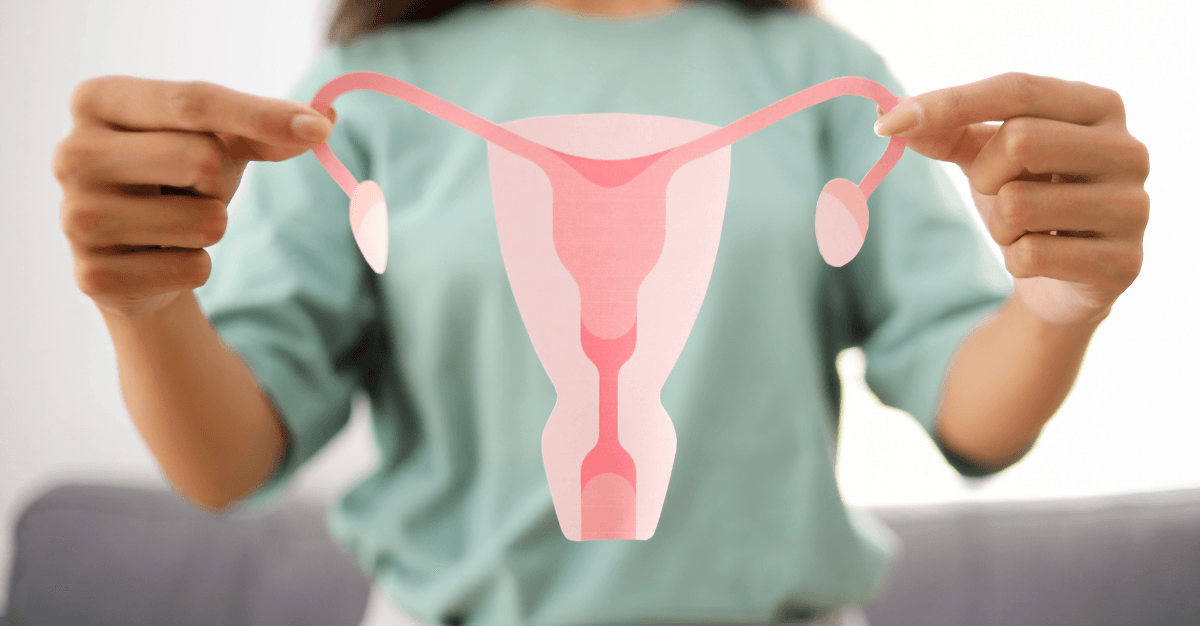
Could You Be in Perimenopause and Not Know It?

Many people assume that perimenopause only begins when periods stop or hot flashes arrive. But the truth is more subtle: you might already be in perimenopause, even if your periods are still pretty regular or your symptoms feel vague. Recognizing this transition early gives you a chance to respond proactively rather than react after things feel too chaotic.

Let’s walk through how perimenopause often hides in plain sight, which signs to watch for, and what steps you can take now.


What Is Perimenopause?

Perimenopause is the transitional phase leading up to menopause. It begins when the ovaries gradually reduce their production of hormones, especially estrogen and progesterone, but has not yet reached the point where you’ve gone 12 full months without a period.

Because hormone levels fluctuate wildly during this time (rather than steadily decline), symptoms can come and go. Some months feel “normal,” others bring surprises.

Perimenopause can last several years (often 4–8 years) before menopause truly begins.


Why It’s Easy to Miss It

  • Symptoms overlap with other life stressors. Fatigue, mood shifts, brain fog, changes in sleep, these are things many of us attribute to burnout, parenting, or aging rather than hormones.
  • Periods can continue. Many people in perimenopause still menstruate regularly (though sometimes with subtle changes in flow or timing).
  • Hormones are erratic. A single blood test may look “normal” because hormone levels fluctuate day to day, even hour to hour.
  • Cultural conditioning. We tend to reserve the idea of “menopause” for later years; earlier hormonal changes often go unnamed or invalidated.

Because the signs are often dismissed or misattributed, many people live in perimenopause for years without recognizing what’s really happening.


Common (and Less Common) Signs of Perimenopause

Here are red flags that may point toward perimenopause, even if you’ve not connected them to hormones yet:

Frequent or classic symptoms:

  • Changes in menstrual cycles (shorter cycles, heavier or lighter flow, spotting)
  • Hot flashes and night sweats (vasomotor symptoms)
  • Sleep disruptions (difficulty falling asleep, waking at night)
  • Mood swings, irritability, anxiety, low mood
  • Vaginal dryness, urinary symptoms, low libido
  • Cognitive changes: memory lapses, trouble focusing (“brain fog”)

“Low-key” or surprising symptoms:

  • New sensitivity to skin, changes in hair or nails
  • Digestive shifts (e.g., bloating, gas)
  • Weight gain (especially central or belly fat)
  • Joint aches, muscle tension
  • Fatigue that doesn’t improve with rest
  • Shifts in cholesterol, blood sugar, or metabolic markers

The key is this: if multiple symptoms appear together, especially across mood, cycles, sleep, and cognition, the odds increase that hormones are involved.


Functional Testing: What to Explore

Because hormone levels fluctuate in perimenopause, smart, dynamic testing is often more helpful than a single blood draw. Here are some tests your functional/integrative practitioner may order:

  1. Comprehensive Hormone Panels These may include saliva or dried urine (such as the DUTCH test) to capture metabolite fluctuations over time. Some providers may order serial serum hormone tests (measuring estradiol, progesterone, FSH, LH at different cycle days). A single test often isn’t enough.
  2. Metabolic & Lipid Panels Estrogen plays a role in fat distribution, lipid profiles, and insulin sensitivity. Checking glucose, HbA1c, lipids, and fasting insulin may give insight into shifts happening with hormonal transition.
  3. Thyroid & Adrenal Testing Hormonal transitions often overlap with thyroid or adrenal stress. A complete thyroid panel, including TSH, free T4, free T3, and reverse T3, plus cortisol rhythm tests, can provide valuable context.
  4. Micronutrient and Inflammation Markers Deficiencies in vitamin D, magnesium, and B vitamins, as well as elevated inflammation markers (such as CRP and cytokines), can worsen perimenopausal symptoms.
  5. Optional: Gut / Microbiome or Detox Panels Hormones are processed through detox and elimination pathways, so assessing gut health or detox burden may help fine-tune your care plan.
  6. Symptom Tracking Over Time Tools like the Menopause Rating Scale help track changes over months and can guide more targeted support.


Why Addressing It Early Matters

If left unchecked, perimenopause can:

  • Worsen sleep, mood, and energy
  • Contribute to bone loss or metabolic imbalance
  • Increase cardiovascular risk
  • Accelerate symptoms like vaginal dryness
  • Reduce quality of life and disrupt daily functioning


What You Can Do Right Now (Even Without Testing)

You don’t need to wait for labs to start supportive actions:

  • Track your symptoms: note cycles, sleep, mood, and energy changes.
  • Clean up your diet and support gut health with whole, anti-inflammatory foods.
  • Build consistency in sleep, stress management, and gentle movement.
  • Prioritize nutrients like magnesium, omega-3 fats, B vitamins, and vitamin D.
  • Consider seeing a practitioner experienced in hormonal transitions and functional medicine.

Even if you’re not sure perimenopause is happening, these steps build hormonal resilience and can ease many midlife shifts.


Perimenopause isn’t a mysterious transition reserved for “older” women, it can begin earlier and manifest subtly. The more you understand your body’s patterns, symptoms, and shifts, the more power you have to navigate this change intentionally.

If in doubt, talk with a practitioner who specialises in hormones and functional testing to guide your plan. We can help!


Sources:

  1. Santoro, N., et al. (2016). Perimenopause: From Research to Practice. PMC.
  2. Cunningham, A. C., et al. (2025). Perimenopause Symptoms, Severity, and Healthcare Implications. Nature Review.
  3. Crandall, C. J., Mehta, J., & Manson, J. E. (2023). Management of Menopausal Symptoms: A Review. JAMA.
  4. Metcalf, C. A., et al. (2023). Cognitive Problems in Perimenopause: A Review. PMC.
  5. Harvard Health Publishing. (n.d.). Perimenopause: Rocky Road to Menopause. Harvard Health.
  6. Rupa Health. (n.d.). A Functional Medicine Menopause Protocol: Comprehensive Testing, Nutrition, and Supplements. Rupa Health.

Why You’re Reacting to More Foods Than Ever

If you feel like your body is suddenly reacting to more and more foods, you’re not alone. Maybe you could eat dairy, eggs, or gluten without issue before, but now even a small bite triggers bloating, fatigue, rashes, or brain fog. It can be confusing and frustrating. You might even start to wonder: “Am I allergic to everything?”

We often see this pattern, and one major contributor is something called leaky gut, paired with an overloaded immune system. Let’s break it down together so you can understand what might be happening inside your body and, more importantly, what you can do about it.


What Is Leaky Gut?

Your gut is home to a long tube called the intestinal lining. Think of it like a finely woven net that decides what gets into your bloodstream and what stays out. Normally, this lining lets in nutrients from your food but keeps out things like undigested food particles, bacteria, and toxins.

When that net becomes damaged or “leaky,” larger and unwanted particles can pass through. This is known as intestinal permeability, or more commonly, leaky gut. When things that aren’t supposed to enter your bloodstream sneak in, your immune system sees them as invaders and reacts.

Over time, these immune reactions can start happening every time you eat certain foods. Your body becomes more reactive, and you might find yourself unable to tolerate foods you once loved.


How the Immune System Gets Overwhelmed

Your immune system is like your body’s personal security team. Its job is to protect you from harm, including viruses, bacteria, and toxins. But when it gets overwhelmed, whether from stress, poor sleep, environmental toxins, infections, or a leaky gut, it starts to lose its ability to tell friend from foe.

Instead of calming down after doing its job, your immune system may stay on high alert. And in this heightened state, it might start attacking harmless things, like proteins in your food. This is one reason food sensitivities seem to grow over time: your immune system is essentially tired and overworked.


Why More Foods? Why Now?

So why does it feel like you’re reacting to more foods than ever?

  1. Accumulated Stress on the Gut: Over time, things like antibiotics, processed foods, alcohol, chronic stress, and even medications can wear down your gut lining.
  2. Cross-Reactivity: Sometimes your immune system thinks different foods are similar and starts reacting to those, too. For example, if you react to gluten, you might also start reacting to oats or dairy due to similar protein structures.
  3. Poor Gut Health: Imbalanced gut bacteria (called dysbiosis) can increase inflammation and weaken the gut lining.
  4. Mast Cell Activation: Certain cells in your body that release histamine can become overly sensitive, making you react to foods, smells, and even temperature changes.
  5. Too Many Toxins: Environmental toxins, mold, and heavy metals can burden your immune system, making it more reactive.


Signs That Leaky Gut and Immune Overload Might Be a Problem

  • You react to foods you used to tolerate
  • You feel better with a limited diet, but worse when you try new foods
  • You have digestive symptoms (bloating, gas, diarrhea, or constipation)
  • You struggle with fatigue, brain fog, skin issues, or joint pain
  • You have been diagnosed with autoimmune conditions
  • You feel worse after periods of stress or illness

If this sounds familiar, your body might be signaling that your gut and immune system need some attention.


Functional Testing: Understanding What Your Body Needs

One of the most helpful tools to determine what is going on in your body is advanced lab testing. These tests go beyond standard blood work to help identify hidden imbalances that may be contributing to food reactivity.

1. Comprehensive Stool Analysis

This test evaluates your gut microbiome, inflammation markers, digestion, and potential pathogens. It can reveal imbalances in bacteria, yeast overgrowth, and whether your gut lining is inflamed or leaking.

2. Food Sensitivity Testing

Some practitioners may use IgG or IgA-based food sensitivity tests to see how your immune system is responding to different foods. While these tests aren’t perfect, they can offer useful clues when interpreted with your symptoms and history.

3. Intestinal Permeability Testing

Specific tests can measure how “leaky” your gut is by assessing the movement of molecules through your intestinal lining. This can help determine if your gut barrier needs repair.

4. Micronutrient Testing

Nutrient deficiencies, such as low levels of zinc, vitamin D, or glutamine, can impact gut health and immune function. Testing can guide more targeted supplementation.

5. Inflammatory and Immune Panels

Markers like CRP (C-reactive protein), cytokines, or immune cell balances can provide insight into how inflamed or overloaded your immune system might be.


Healing the Gut and Calming the Immune System

You can often calm food reactivity by working to heal your gut and support your immune system. Here’s a roadmap to get started:

1. Remove Irritants

Take a break from foods that are causing noticeable symptoms. Common culprits include gluten, dairy, soy, sugar, and processed foods. Reducing alcohol, caffeine, and artificial additives can also give your gut a break.

2. Focus on Gut-Healing Foods

Support your gut lining with foods like:

  • Bone broth
  • Steamed vegetables
  • Cooked squashes and sweet potatoes
  • Omega-3 rich fish
  • Fermented foods (if tolerated)
  • Herbal teas like chamomile or ginger

3. Rebuild with Nutrients

Targeted supplements may support your gut and immune health. Some commonly recommended ones (under practitioner guidance) include:

  • L-glutamine
  • Zinc
  • Vitamin D
  • Omega-3s
  • Probiotics and prebiotics

These can help repair the gut lining, balance your microbiome, and reduce inflammation.

4. Lower Your Total Stress Load

Stress isn’t just mental, it affects your gut and immune system too. Consider:

  • Mindfulness or meditation
  • Gentle movement like yoga or walking
  • Getting enough sleep
  • Spending time in nature

5. Reintroduce Foods Slowly and Strategically

Once your gut begins to heal, many people can start tolerating foods again. This process should be slow and guided, ideally with a knowledgeable practitioner who can help you track symptoms and watch for hidden triggers.


If you’re reacting to more foods than ever, it doesn’t mean your body is failing. In fact, it’s a sign your body is doing exactly what it was designed to do: protect you.

Understanding the connection between your gut and your immune system gives you the power to take steps toward healing. With the right support, a tailored plan, and some patience, it is possible to calm your system and regain food freedom.


Sources:

  1. Albert-Bayo, M., et al. (2019). Intestinal Mucosal Mast Cells: Key Modulators of Barrier Function. Frontiers in Immunology.
  2. Valitutti, F., et al. (2025). Intestinal permeability, food antigens and the microbiome. Frontiers in Allergy.
  3. Poto, R., et al. (2023). The Role of Gut Microbiota and Leaky Gut in Food Allergy. Nutrients.
  4. Zhang, L., et al. (2016). Mast Cells and Irritable Bowel Syndrome: From the Bench. Journal of Neurogastroenterology and Motility.
  5. Ishihara, N., et al. (2022). Spi-B alleviates food allergy by securing mucosal barrier. Frontiers in Allergy.
  6. Andreou, E., et al. (2025). Boosting Immunity Through Nutrition and Gut Health. Nutrients.